There is a moment, just as you step from gravel path to winery threshold, when the air changes. The scent of sun-warmed earth yields to cool stone, barrel toast, and a quiet hum of precision. A vineyard visit at its best is not simply a tasting; it is an immersion in place, craft, and time. For discerning travelers, the aim is no longer to “hit a few wineries,” but to curate a sequence of encounters that feel intentional, textured, and quietly unforgettable. This is where vineyard visits become experiences worthy of their finest bottles: patient, layered, and exquisitely composed.
Designing Your Visit Around the Vineyard, Not the Tasting Room
Most visits orbit the tasting bar; the most rewarding ones orbit the vines themselves. The vineyard is where decisions about canopy height, row orientation, and harvest timing shape everything you will eventually taste in the glass. Align your visit with the rhythm of the growing season—budbreak, flowering, véraison, harvest—rather than with your vacation calendar alone. Each stage reveals a different portrait of the estate and exposes nuances that stay hidden in polished tasting rooms.
Request a walk among the vines with someone intimately involved in their care—a viticulturist, vineyard manager, or owner who can speak to the block-by-block differences underfoot. Pay attention to the slope, the direction of the wind, and the texture of the soil in your hand: powdery limestone, fractured shale, volcanic rock, or river-rounded stones. Notice how sunlight falls differently in one parcel versus another, or how row spacing alters the feel of the landscape. These details are not trivia; they are the architecture of style. When you later encounter a single-vineyard bottling from the block you have just walked, its character will move from abstract description to lived memory.
Reading a Winery’s Philosophy in the Smallest Details
Luxury in wine is less about chandeliers and more about coherence—how the estate’s philosophy expresses itself in details you might otherwise overlook. Begin observing from the moment you arrive: the choice of landscaping (native plants vs. manicured lawns), the presence of biodiversity (cover crops, insect hotels, hedgerows), and how vehicles move around (dusty utility trucks or discreet, carefully routed traffic). These are signals of how the property thinks about stewardship, not simply aesthetics.
Inside, the cellar becomes a tactile manifesto. Barrel choices—French vs. American oak, new vs. used, large-format foudres vs. barriques—reveal how the winemaker balances structure with purity of fruit. Concrete tanks and clay amphorae suggest a desire for texture without overt oak imprint; stainless steel emphasizes clarity and freshness. Look for how scrupulously clean the working spaces are, how thoughtfully equipment is arranged, and how naturally staff interact with one another. These quiet cues often tell you more about the winery’s standards and longevity than any marketing narrative. For those who value integrity over spectacle, such subtleties are where genuine luxury resides.
Five Exclusive Insights for the Refined Wine Enthusiast
Within the refined calm of top estates, there are layers of nuance rarely discussed on standard tours. These five insights will allow you to experience a visit the way a seasoned insider might—attuned to textures, decisions, and quiet distinctions.
1. The Most Revealing Wine Is Often the Least Adorned
When exploring a portfolio, ask to taste the wine that sees the least intervention: perhaps a stainless-steel, entry-level cuvée or an unoaked expression from younger vines. While flagship bottlings are impressive, they can be heavily shaped by new oak, extended aging, and rigorous selection. The lighter touch of an “introductory” wine can be the most transparent lens into the estate’s terroir and philosophy.
Approach it as you would a sketch by a great painter: stripped of ornament, every line matters. Consider the precision of acidity, the cleanness of the finish, and whether the wine feels harmonious rather than forced. If an estate’s simplest wine feels balanced, lifted, and honest, chances are the rest of the range is built on a strong foundation.
2. Barrel Rooms Are Temperature Lessons in Disguise
Stepping into a barrel cellar is not just a romantic moment; it is an opportunity to understand how temperature and humidity govern a wine’s evolution. Notice how cool the room feels, and ask about the precise range the winery maintains (many quality cellars hover around 55°F / 13°C with carefully controlled humidity). This environment dictates the rate at which wine interacts with oxygen and oak.
Ask to compare a wine aged in different vessels—perhaps the same vintage in new oak vs. neutral oak, or barrique vs. large foudre. Pay attention to how tannins feel on the palate, how aromas are framed, and whether oak is a structure or a flavor. This is where you begin to appreciate barrel aging not as a label claim, but as a calibrated, long-term choice that defines the wine’s texture and longevity.
3. The Vine Map May Be the Most Valuable Object in the Room
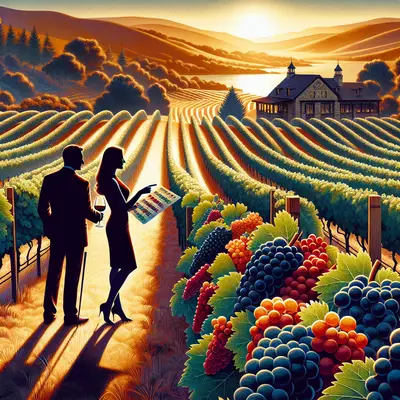
Many premium estates display a vineyard map—sometimes tucked in a hallway, sometimes framed near the tasting room. Pause here. This cartography offers a condensed view of the estate’s ambitions and possibilities. Ask a host to walk you through the map’s key parcels: which are considered “grand” in potential, which are newly planted, which thrive in cooler, wind-exposed corners, and which ripen earliest.
If possible, taste a wine while standing in front of the map. Let your host trace the origin of each component: a higher-elevation block adding acidity and tension, a lower slope providing richness, an old-vine parcel contributing depth. The wine becomes less an anonymous blend and more a composed portrait of specific coordinates. For collectors and serious enthusiasts, tying flavor to topology elevates every bottle that follows.
4. The Most Illuminating Questions Are About Trade-Offs
Instead of asking, “What makes your wine special?”—a question any polished host can answer smoothly—ask about trade-offs and constraints. Inquire how they balance yield and concentration, how they decide when to pick in a variable vintage, or which parcels they routinely sacrifice to preserve overall quality. Ask what they chose not to do this year, and why.
These conversations reveal a winery’s tolerance for risk, their prioritization of quality over volume, and their relationship with the whims of climate. You’ll begin to sense who privileges elegance over power, or finesse over ripeness—and how steadfastly they maintain that stance in difficult years. For those who view wine as an expression of character as much as place, understanding these decisions adds a layer of respect that lingers long after the tasting ends.
5. How the Estate Ages Its Own Wines Is a Hidden Benchmark
A winery’s confidence in its wines is often reflected in how it ages them—for itself. Inquire about the library program: which vintages they hold back, in what quantities, and how often they revisit older bottles as a team. If you are fortunate enough to taste a mature vintage, observe not just flavor development but structural integrity: Has the wine’s core—its acidity, tannin, and balance—remained poised over time?
Ask which vintages they believe are currently at their peak and how they expect newer vintages to evolve in comparison. The nuances of this discussion will reveal their understanding of their own terroir’s aging curve. For serious enthusiasts, such insights are invaluable when deciding whether to cellar the estate’s wines and how long to wait before opening them.
Elevating Pairings: Beyond Cheese Boards and Chocolates
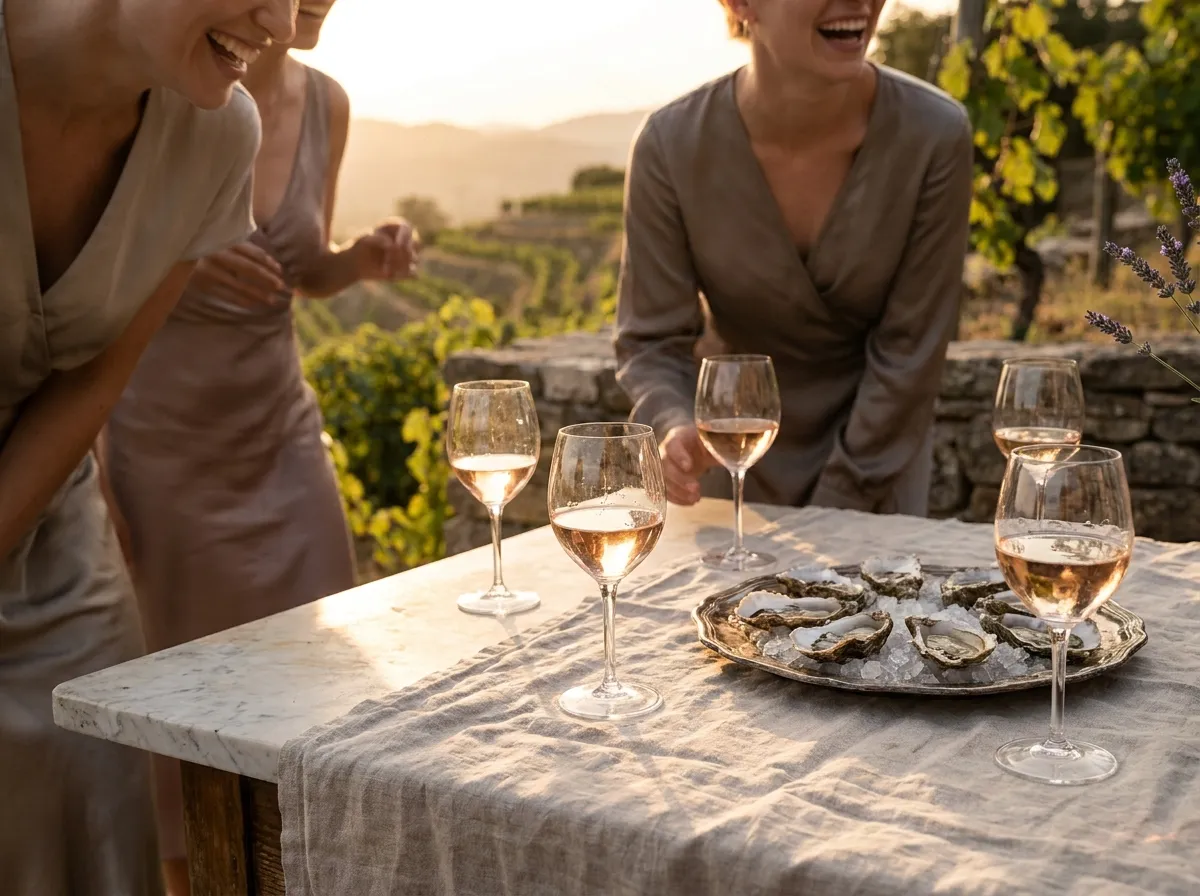
Refined vineyard visits increasingly treat pairings as narratives rather than indulgences. Instead of generic cheese plates, many estates now work with chefs or culinary teams to compose tasting menus, canapé sequences, or precisely chosen bites that highlight a wine’s structure. Pay close attention not only to what is served, but to the logic behind each pairing.
Notice when a dish is designed to contrast—crisply acidic components to refresh the palate against a rich, oak-aged white—or to echo flavors in the wine, such as roasted mushrooms alongside an earth-driven Pinot Noir. Ask how the chef and winemaker collaborate: Do they begin with the wine and design dishes around it, or does the kitchen propose seasonal creations that the winery then matches? Understanding this dialogue offers a glimpse into a more holistic vision of hospitality, where the estate’s culinary and vinous expressions are harmonized rather than improvised.
Capturing and Sharing the Essence Without Disrupting the Quiet
Vineyard visits lend themselves naturally to social media, but truly elevated storytelling preserves the atmosphere of discretion and respect the estate has crafted. Instead of focusing solely on posed photos with bottles, look for visual details that convey the estate’s character: the geometry of vine rows against distant hills, the patina of old barrels, the way morning light slants through a cellar window.
Share short reflections alongside imagery, noting a specific insight—the feel of the soil in a single plot, the difference between two barrel samples, or a winemaker’s remark about a challenging vintage. This approach not only elevates your content but also honors the work and subtlety behind the wines. Tag the estate, of course, but avoid revealing any areas that were described as private or in-progress; real luxury is inseparable from discretion.
Conclusion
A vineyard visit, approached with intention, becomes far more than an afternoon pastime. It is an invitation into a set of decisions—agronomic, architectural, sensory, and ethical—that define a wine far beyond its label. By walking the vines with attention, reading philosophy in small details, asking about trade-offs, and observing how an estate treats time, you trade passive tourism for meaningful engagement.
For the discerning traveler, the reward is twofold. In the moment, your visit becomes richer, slower, and more textured. In the years to come, every bottle from that estate carries with it not only taste, but place, people, and insight. The glass in your hand is no longer an isolated pleasure; it is the distilled memory of a landscape you have come to know.
Sources
- [University of California, Davis – Terroir and Site Selection](https://wineserver.ucdavis.edu/industry-info/viticulture/terroir-and-site-selection) – Academic overview of how soil, slope, and microclimate influence vineyard character
- [Cornell University – Wine Cellar Temperature and Humidity](https://grapesandwine.cals.cornell.edu/news-events/news/controlling-wine-cellar-conditions/) – Technical discussion of ideal cellar conditions and their impact on wine aging
- [Wine Institute – Sustainability in California Vineyards and Wineries](https://www.wineinstitute.org/sustainablewinegrowing) – Insight into environmental practices and standards at quality-focused estates
- [Decanter – Understanding Oak in Winemaking](https://www.decanter.com/learn/wine-terminology-what-does-oak-aged-mean-418605/) – Detailed explanation of how different oak and vessel choices shape wine style
- [GuildSomm – Blending and Vineyard Selection](https://www.guildsomm.com/public_content/features/articles/b/guildsomm_staff/posts/blending) – Professional-level discussion of how winemakers use different parcels and components to create final blends
Key Takeaway
The most important thing to remember from this article is that this information can change how you think about Vineyard Visits.