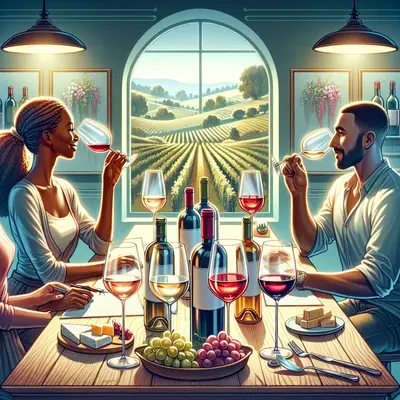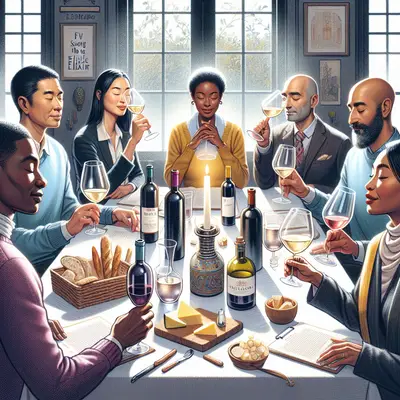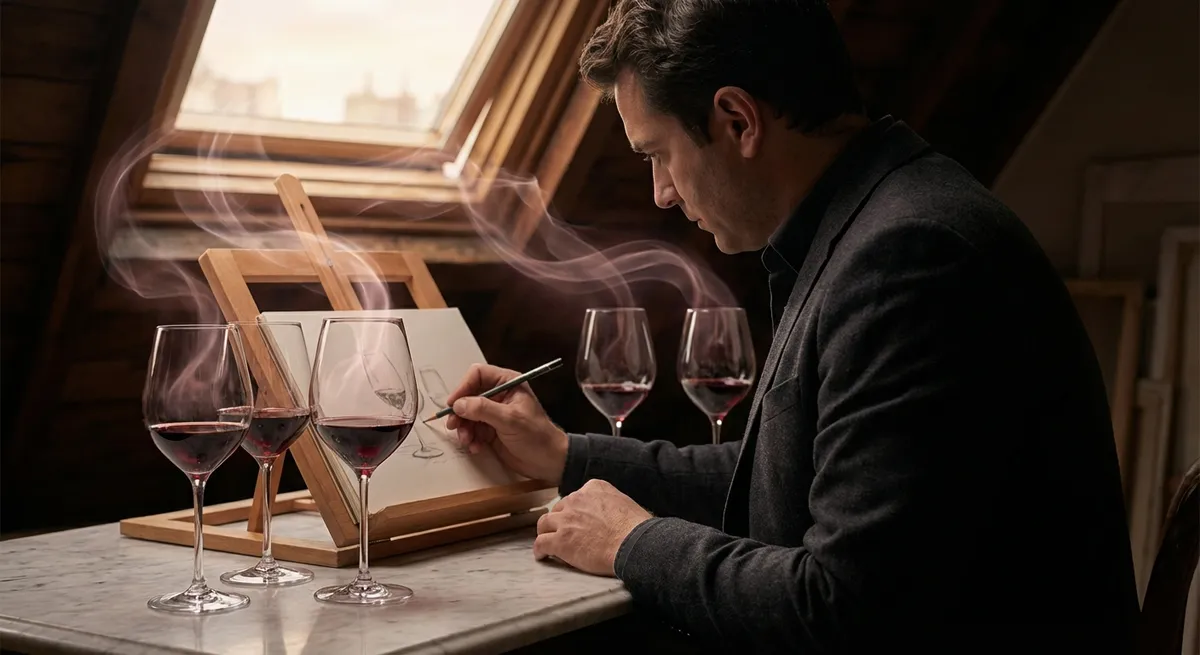
Wine tasting, at its most rewarding, is less a hobby and more a cultivated art form—a quiet dialogue between place, time, and the senses. For discerning enthusiasts, each glass is an invitation to slow down, to observe with intention, and to understand why certain wines feel unforgettable while others merely pass through the evening. This is where the experience transcends basic “red or white” preferences and becomes a refined pursuit of nuance, texture, and quiet revelation.
Below, we explore five exclusive insights designed for those who already love wine—but wish to taste it with greater precision, grace, and pleasure.
The Architecture of a Sip: Designing Your Tasting Sequence
Order is not a formality; it is the invisible architecture of a memorable tasting. How wines are sequenced can either illuminate their character or flatten it entirely. Begin with wines that are lighter in alcohol, color, and structure, then gradually move toward deeper hues, higher tannins, and more potent aromatics. A delicate Albariño or Chablis will sing more clearly before a broad-shouldered Chardonnay; a nuanced Pinot Noir reveals its beauty best before a dense Cabernet Sauvignon.
Sugar and oak require special attention. Residual sweetness will cast a long sensory shadow, so off-dry whites and dessert wines should appear at the end of the tasting, not the middle. Similarly, heavily oaked wines can momentarily numb perception with their vanilla, toast, and spice; place them after more restrained bottlings to avoid overwhelming your palate.
Designing the sequence becomes an art of contrast and continuity: alternate between regions or grape varieties to highlight differences, yet maintain a logical tonal progression in weight and structure. The result is not just a flight of wines, but a composed experience with a beginning, a crescendo, and a lingering final note.
Glass as Instrument: How Shape Conducts Aroma and Texture
For the sophisticated taster, the glass is not an accessory; it is the instrument through which the wine performs. Subtle changes in bowl shape, rim diameter, and crystal thickness can transform how a wine presents its aromas, texture, and finish. A narrower bowl captures delicate aromatics and focuses them toward the nose, ideal for high-acid whites and aromatic varieties like Riesling or Sauvignon Blanc. A larger, more voluminous bowl allows structured reds—think Barolo, Bordeaux, or Syrah—to oxygenate gently and reveal their inner complexity.
Pay attention to the rim: a finely cut, thin rim allows the wine to glide effortlessly onto the palate, enhancing the sense of finesse. Glasses that flare slightly at the top can soften the impression of acidity; those that taper more narrowly can heighten aromatic intensity and tighten focus. Even the height at which you fill the glass matters—never more than one-third full if you’re seeking a serious aromatic experience.
For a refined home setup, you do not need a dozen shapes, but you should avoid a one-size-fits-all approach. A dedicated glass for sparkling wines, one for nuanced whites, and two sizes for lighter and more structured reds will serve most wine enthusiasts exceptionally well. Once you experience the same wine in two different glasses, you understand: the vessel is part of the terroir of the moment.
Temperature as a Fine-Tuning Dial, Not a Rule
Most discussions of wine temperature flatten nuance into rigid rules: “serve whites chilled, reds at room temperature.” In elevated tasting, temperature becomes a fine-tuning dial, not a binary setting. A few degrees can profoundly alter the perceived balance between fruit, acidity, tannin, and alcohol.
White wines that are served too cold can feel mute and angular; aromatics recede, and texture hardens. Conversely, an over-warm white may seem unfocused, its acidity dulled and its structure blurred. Similarly, red wines poured at “room temperature” in a modern, centrally heated home can taste heavy, alcoholic, and imprecise. Allowing a structured red to cool slightly—often to the mid- to high-50s Fahrenheit (around 13–15°C)—can restore clarity, lift the bouquet, and calm the alcohol’s burn.
The sophisticated approach is dynamic. Taste a wine at its initial temperature, then allow it to warm gradually in the glass, returning to it over the course of 20–30 minutes. Observe how tannins soften, how fruit emerges or recedes, how aromatic layers unfold. You are no longer chasing a “correct” temperature; you are discovering the sweet spot where the wine feels most articulate and composed. This practice turns even a single bottle into an evolving conversation rather than a static impression.
Texture, Not Just Flavor: Reading the Wine by Feel
While most tasting notes obsess over flavor descriptors—cherry, cassis, citrus, stone fruit—the advanced taster prioritizes texture: how the wine moves and rests in the mouth. Texture is the silent luxury of a great wine, the quality that lingers long after the specific flavors fade.
Consider the weight on the palate: is the wine diaphanous, gliding with near-weightless elegance, or is it velvet-wrapped and expansive? Observe the tannins not simply as “high” or “low” but in terms of grain: are they fine as cocoa powder, chalky, silky, or slightly rustic? White wines offer their own tactile spectrum—creamy lees contact, a waxy or oily mid-palate, or a racy, blade-like line of acidity.
Pay attention to the transitions. A truly refined wine moves from entry to mid-palate to finish with seamless continuity, without abrupt gaps or disjointed edges. This is where craftsmanship and terroir whisper their presence. Next time you taste, set flavor descriptors aside for a moment and ask: How does this wine feel? You may find that the wines you return to most often are not those with the loudest aromas, but those whose textures feel harmonious, poised, and quietly luxurious.
The Art of Re-Tasting: Revisiting Wines Through Time and Context
One of the most exclusive pleasures in wine appreciation is the deliberate act of re-tasting: experiencing the same wine across different days, seasons, and settings to understand its full personality. A single tasting captures only a snapshot; re-tasting creates a portrait.
Begin with the bottle itself. On day one, open and taste without decanting, noting initial aromatics and structure. On day two, revisit the wine—now slightly oxidized, often more expressive, sometimes softer or more integrated. Certain age-worthy reds and complex whites become particularly revealing on the second or even third day after opening, provided they are stored properly.
Extend this practice to context. Taste the same vintage at a casual evening with friends, then again during a focused, quiet session. Note how mood, lighting, food pairing, and even music recalibrate your perception. The refined enthusiast recognizes that wine is not a static object but an experience in motion, shaped by time and environment as much as by grape and soil.
Re-tasting across vintages of the same producer is an even deeper pleasure. This allows you to perceive the subtle voice of a house style alongside the shifting character of each year’s weather. You begin to see not just “a wine,” but a narrative unfolding over time—a story told in layered, liquid chapters.
Conclusion
To taste wine at a higher level is not to memorize more descriptors or chase rarer labels. It is to cultivate presence, precision, and curiosity. By considering the architecture of your tasting sequence, choosing glassware as deliberately as you choose the bottle, treating temperature as a subtle instrument, prioritizing texture over mere flavor, and embracing the art of re-tasting, you transform each pour into an intentional experience.
In this way, wine becomes more than a pleasure at the table—it becomes a refined ritual, a beautifully crafted pause within the acceleration of modern life. And within that pause, the most rewarding discovery is not just the character of the wine, but the sharpening of your own senses.
Sources
- [University of California, Davis – Wine Aroma and Flavor](https://wineserver.ucdavis.edu/industry-info/enology/wine-aroma-and-flavor) – Technical overview of how aroma, flavor, and other sensory components develop in wine
- [Harvard T.H. Chan School of Public Health – Alcohol: Balancing Risks and Benefits](https://www.hsph.harvard.edu/nutritionsource/alcohol-full-story/) – Evidence-based discussion of alcohol and health, helpful context for mindful consumption
- [Wine Institute – Wine Serving and Storage Tips](https://wineinstitute.org/our-industry/consumer-resources/wine-faqs/) – Practical guidance on wine temperature, storage, and service from an authoritative industry body
- [RIEDEL – The Effect of Glass Shape on Wine](https://www.riedel.com/en-us/blog/the-effect-of-glass-shape-on-wine) – Detailed exploration of how glass design influences aroma and palate perception
- [Decanter – Wine Tasting Techniques](https://www.decanter.com/learn/how-to-taste-wine-3-96053/) – Professional tasting techniques and best practices from a leading wine publication
Key Takeaway
The most important thing to remember from this article is that this information can change how you think about Wine Tasting.