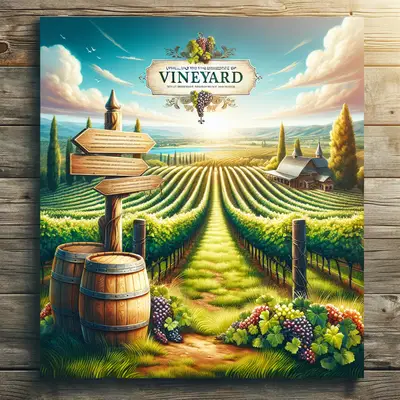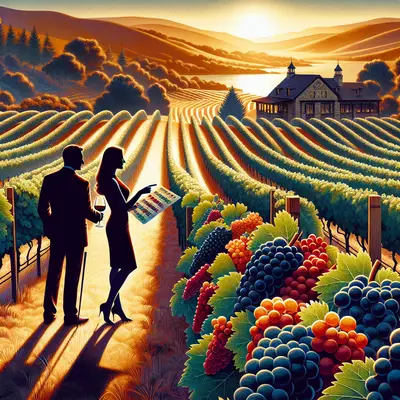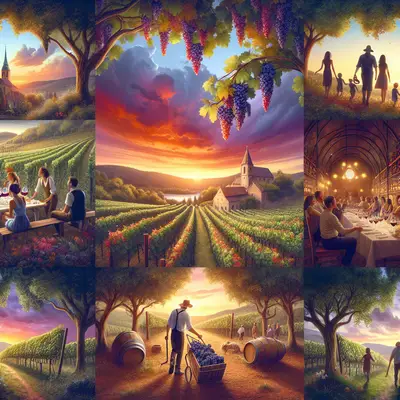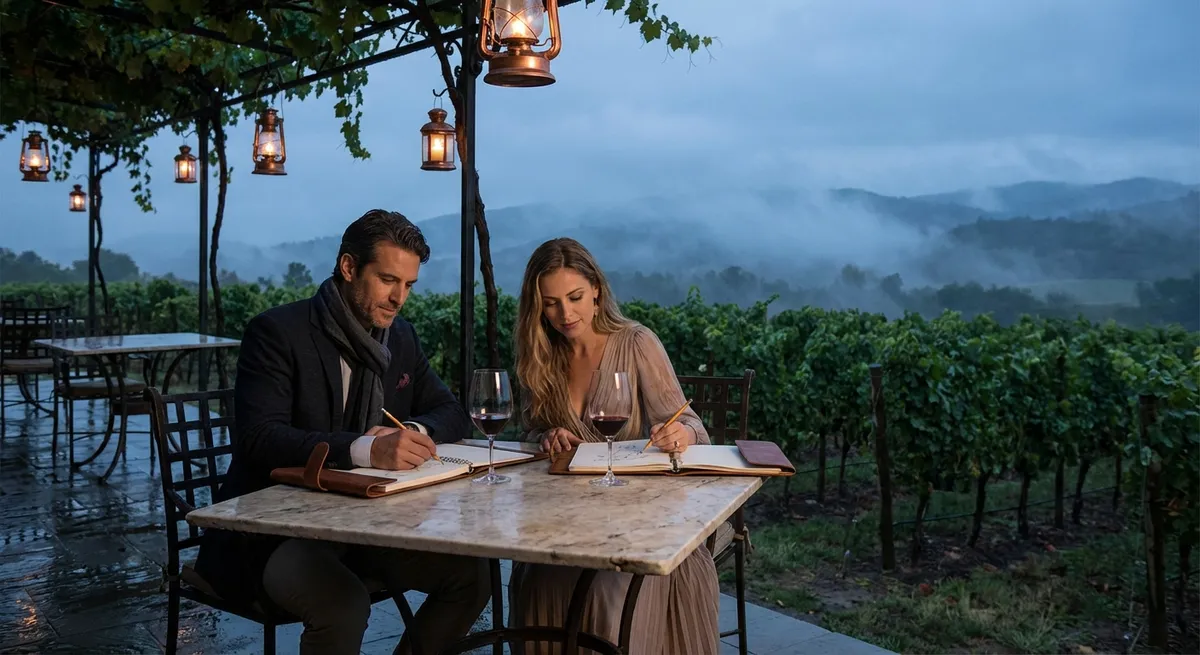
Vineyard visits are no longer just about a pleasant afternoon among the vines; at their finest, they become elegantly orchestrated experiences—moments where landscape, craftsmanship, and hospitality are composed with the care of a grand cru. For travelers who seek more than a tasting flight, the vineyard can be a private stage where time slows, conversations deepen, and wine reveals its most elusive nuances. This is where the ordinary winery tour yields to something far more cultivated: the artful vineyard journey.
The Vineyard as a Living Library of Microclimates
To the discerning visitor, a vineyard is not a backdrop; it is a living manuscript of microclimates and decisions. The subtle dip in a hillside, the way morning mist clings to one parcel while another basks in early light—these are not mere curiosities, but the quiet authors of texture, perfume, and length in the glass.
Pay attention to how your host speaks about specific blocks rather than “the vineyard” in general. A truly elevated visit often includes a walk to contrasting parcels: a wind-swept ridge versus a sheltered hollow, older vines versus younger plantings, different rootstocks responding to the same soil. Listen for the language of nuance: drainage, canopy management, diurnal shift, picking windows. These details are the grammar of great wine and the reason the same grape, from neighboring rows, can yield bottles with startlingly different poise.
The most rewarding experiences often involve tasting wines in direct view of the plots that birthed them. When possible, request a comparative tasting of single-parcel or single-vineyard bottlings onsite. Watching the wind move through the exact row that produced the wine in your glass is a quiet luxury in itself—and a masterclass in terroir that no tasting room alone can provide.
The Architecture of Time: Visiting at the Right Moment
Refined vineyard travel is less about squeezing in “as many wineries as possible” and more about aligning your visit with the winery’s calendar. Time of year, time of day, and even the stage of the vintage can transform your experience from simply lovely to indelibly memorable.
In late summer and early autumn, the vineyard feels electric. Berries shift from firm to silken, and the air is laced with fleeting aromatics of warm skins and sun-baked earth. During harvest, a cellar tour becomes a sensory immersion: the scent of fermenting must, the low hum of pumps, the tactile quiet of barrels resting in cool cellars. Outside harvest, winter pruning or spring budbreak reveal a very different, contemplative side of the vineyard—pared back, architectural, almost calligraphic against the sky.
Time of day matters just as much. Early morning visits offer clarity: cool light on the vines, sharpened aromatics in the glass, and fewer distractions in the tasting room. Late afternoon, by contrast, can add a cinematic warmth—elongated shadows across the rows, a slower pace, perhaps a final glass as the sun slips behind the hills. When arranging your itinerary, ask the estate which window of the day best reveals their vineyards. The most thoughtful properties will have a pointed answer.
The Invisible Craft: Reading a Cellar’s Quiet Decisions
An advanced vineyard visit is not only about what is visible above ground. The true personality of a winery often reveals itself in the cellar—less in grand architectural gestures than in the subtle logic of how space, light, and tools are arranged.
Look for signs of intention. Are tanks sized to match specific parcels in the vineyard, allowing them to be vinified separately? Are there both stainless steel and neutral vessels, perhaps amphora or concrete eggs, reflecting different philosophies for texture and purity? Do barrels vary in origin, toast level, and age, hinting at a nuanced approach rather than a single stylistic stamp?
Listen carefully when the winemaker or host describes what they choose not to do: which additives they avoid, what interventions they reserve for only the most necessary moments. Restraint, in fine wine, is as telling as action. A sophisticated visitor will ask about topics such as lees contact, whole-cluster use, or gentle extraction during fermentation—not to showcase knowledge, but to understand the winery’s aesthetic choices.
One of the most exclusive insights for enthusiasts is this: the cellar’s “silences”—the spaces where nothing appears to be happening—are often where the most critical decisions have already been made. The selection of pick dates, the handling of fruit within the first hours of harvest, and the decision to wait, blend, or bottle all live in these quiet interludes.
Hospitality as Curation: When Service Reflects the Wine
In the best vineyard visits, hospitality is not a performance layered onto the experience; it is an extension of the wine’s character. How you are welcomed, guided, and engaged is a subtle indicator of a winery’s values.
Notice how your host shapes the conversation. Are they listening to your preferences and gently expanding them, or defaulting to a rehearsed monologue? Elevated hospitality feels tailored without being theatrical—more like a private consultation than a public tour. It might manifest as a spontaneous detour to taste from a barrel that aligns with your stated interests, or a customized flight that omits what you already know in favor of what you might discover.
Truly refined properties often demonstrate an effortless fluency across subjects: local history, gastronomy, architecture, sustainability. They are not merely pouring wine; they are placing it in a wider cultural and environmental context. Wine, in this setting, becomes less of a commodity and more of a lens through which to understand the place you are visiting.
For enthusiasts, one exclusive insight is to pay attention to the rhythm of the visit itself. Are there intentional pauses to taste in silence, to simply observe the vines through the window, to linger with a particular vintage? The most memorable experiences are often those where the itinerary is allowed to breathe, giving the wine—and you—time to unfold.
Five Exclusive Insights for the Discerning Wine Enthusiast
For those seeking to transform vineyard visits into genuinely elevated experiences, several refined strategies can quietly distinguish your journey:
**Request a Vertical that Traces a Single Parcel**
Instead of a broad overview, ask whether the estate offers multiple vintages from the same plot. Tasting a micro-terroir across different years reveals the interplay of climate, vine age, and evolving cellar decisions with astonishing clarity. It is one of the most illuminating exercises a serious enthusiast can undertake.
**Observe the Edges of the Vineyard, Not Just Its Heart**
Boundaries where one soil type yields to another, or where vines give way to forest, river, or stone, are often where terroir expresses its most striking contrasts. If the opportunity arises, walk the margins of the property. The transition zones can tell you as much about the wine’s character as the most photogenic central rows.
**Study the Estate’s Glassware and Serving Rituals**
The choice of glass shapes, temperatures, and decanting protocols can signal how the winery believes its wines should be experienced. If a particular cuvée is served in a noticeably different glass or with extended aeration, ask why. Their answer often reveals the structure, ageworthiness, and intended gastronomic role of that wine.
**Ask About the “Unbottled” Story**
Every distinguished estate has wines that never reached the market in their intended form: lots declassified into simpler cuvées, vintages bottled only for the family, or experimental micro-batches in the cellar. Inquiring—discreetly—about these unseen threads often opens the door to a deeper, more candid conversation about standards, perfectionism, and philosophy.
**Connect the Vineyard to the Table—Even if Only in Theory**
Even when no formal restaurant is onsite, ask your host which dishes or local ingredients they envision with particular wines. Producers who think gastronomically tend to craft wines with precise structure and balance. Their imagined pairings—seafood with saline whites, aged cheeses with structured reds, seasonal vegetables with lighter, aromatic bottlings—reveal how they see their wines living in the world, not just in the tasting room.
These insights are not about demanding special treatment; they are about approaching the vineyard with a collector’s curiosity and an aesthete’s sensitivity. By asking considered questions and observing quiet details, you transform a visit from a pleasant diversion into an encounter with the deeper architecture of great wine.
Conclusion
A vineyard visit, at its most refined, is not a checklist of tastings but a choreography of place, time, and attention. The vines, the cellar, the hospitality, and the stories between the lines all conspire to reveal wine as a living expression of its origin. For travelers who seek depth over volume and resonance over spectacle, the vineyard becomes more than a destination—it becomes a setting for quiet, enduring memory.
Approach each estate as you would a rare bottle: patiently, attentively, and with respect for the layers that may not be immediately visible. In doing so, you honor not only the wines in your glass, but the unseen craft that made your journey worth taking.
Sources
- [U.C. Davis – Terroir and Wine Quality](https://wineserver.ucdavis.edu/industry-info/enology/terroir) - Technical overview of how soil, climate, and topography influence wine character
- [Wine Institute – California Winegrowing Regions](https://discovercaliforniawines.com/discover-california/our-regions/) - Detailed descriptions of diverse vineyard regions and their defining features
- [OIV (International Organisation of Vine and Wine)](https://www.oiv.int/en/technical-standards-and-documents) - Authoritative resources on viticulture, winemaking practices, and global standards
- [Harvard T.H. Chan School of Public Health – Alcohol and Wine](https://www.hsph.harvard.edu/nutritionsource/alcohol-and-health/) - Evidence-based discussion of wine consumption and health considerations
- [Decanter – Guide to Wine Cellars and Ageing](https://www.decanter.com/learn/understanding-wine-cellars-and-wine-ageing-485934/) - Explores cellar practices, ageing decisions, and their impact on wine style
Key Takeaway
The most important thing to remember from this article is that this information can change how you think about Vineyard Visits.