There is a point at which a winery stops being simply “excellent” and becomes unmistakably itself. In that rarefied space, prestige isn’t announced with spectacle but perceived in detail: in the precision of a vineyard row, the cadence of a cellar tour, the way a glass is poured as though time has slowed by half a beat. Premium wineries operate in this subtle register. For travelers who choose their destinations as carefully as their vintages, understanding what truly distinguishes these estates turns a pleasant visit into a quietly unforgettable experience.
Below are five exclusive, often-overlooked dimensions that define the world’s most refined wineries—insights that reward the discerning enthusiast who is willing to look, listen, and taste a little more closely.
The Architecture of Restraint: Design as a Silent Promise
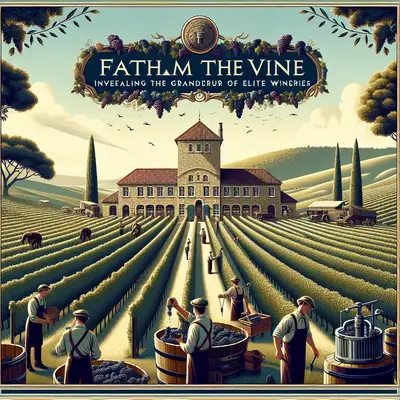
At the most elevated estates, architecture does not shout; it assures. Buildings sit in dialogue with the landscape, not in competition with it. You’ll notice façades that seem almost understated from a distance, only to reveal exquisite craftsmanship as you approach: hand-laid stone, perfectly proportioned windows, and materials chosen as much for how they age as how they look on opening day.
Inside, spatial choreography is deliberate. Visitor paths subtly guide you from light-flooded terraces to cool, shadowed barrel rooms, mirroring the journey from grape to bottle. Acoustics are often tuned—high ceilings and natural materials soften conversation to a refined murmur, allowing the gentle resonance of clinking glasses and low voices to become part of the ambiance rather than noise.
Premium design also considers sightlines: framed vineyard views from tasting salons, glimpses of the working cellar beyond discreet glass partitions, and thoughtful lighting that flatters both the wine in your glass and the landscape beyond. These architectural choices are not decoration; they are a silent promise that the same level of intention lives inside every bottle.
Precision in the Vineyard: When Terroir Becomes a Conversation
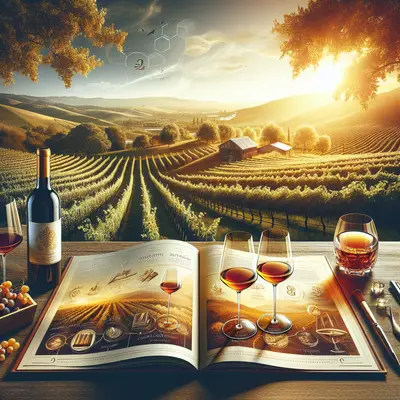
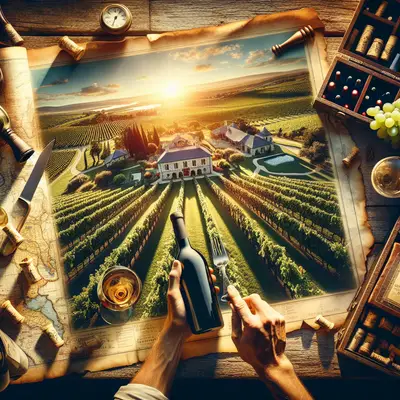
At exceptional wineries, the vineyard is less a backdrop and more a manuscript—every row a line of text, every parcel a distinct chapter. The team will speak of specific vineyard blocks with the intimacy one reserves for long-time friends: the way a particular slope ripens late, the precise hour when fog burns off in a cooler corner, how a subtle shift in soil from clay to limestone alters aromatic lift and texture.
You may hear about vine age not as a marketing point but as a narrative of resilience and memory: old vines that naturally self-regulate, yielding fewer clusters of greater concentration, or carefully selected younger plantings that bring energy and definition to blends. Pruning decisions, canopy management, and harvest timing are treated not as operations but as a series of finely tuned judgments made vintage by vintage, sometimes row by row.
The most refined estates invite you to notice micro-differences in the glass. A comparative tasting of two parcels from the same grape variety might reveal a spectrum that runs from graphite and blackcurrant to violet and crushed stone, all within a few hundred meters of each other. This is terroir at its most articulate: not a slogan, but a conversation you are invited to join.
The Cellar as Atelier: Craft Decisions You Rarely See
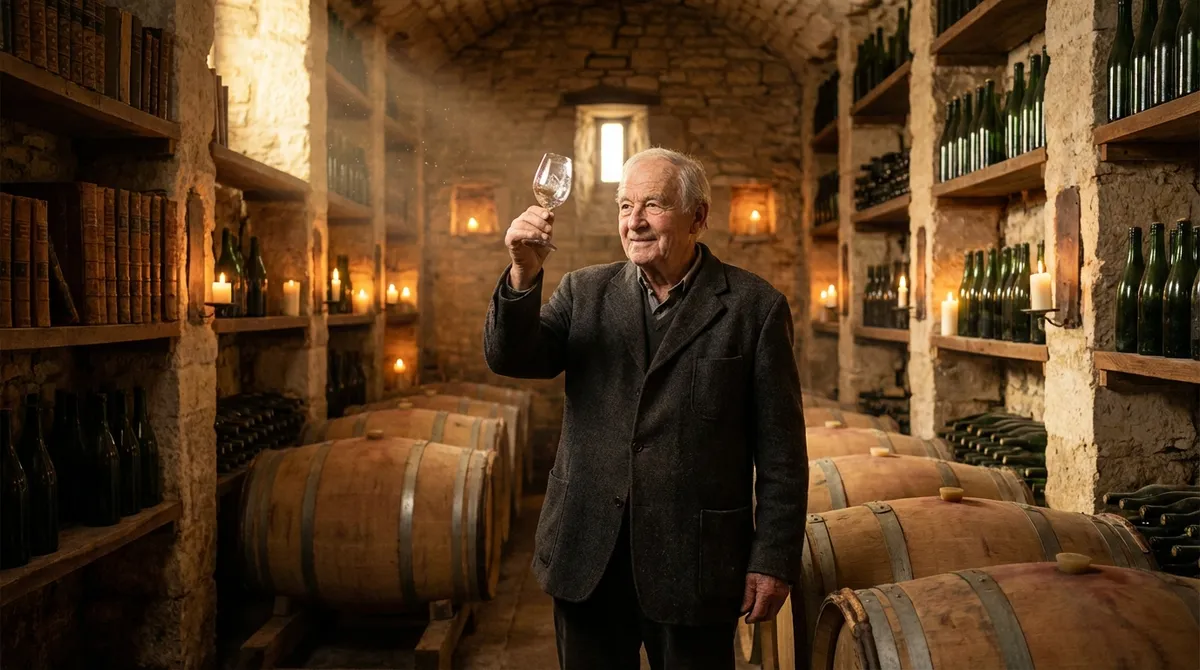
Behind every polished tasting lies a series of choices that are almost never advertised on a label, yet they shape your experience with almost surgical precision. In premium cellars, fermentation vessels are chosen with the nuance of a tailor selecting fabric: concrete for texture and gentle oxygenation, stainless steel for purity of fruit, oak for structure and layering—often used in precise combinations rather than absolutes.
Barrel programs at these wineries read like a score for a chamber orchestra. You’ll find a studied balance between new and neutral oak, along with cooperage from specific forests and toasting levels tailored to the estate’s style. Some barrels might be reserved for their ability to contribute aromatic finesse—cedar, sweet spice, fine tobacco—while others are prized for structural integration, delivering tannin that feels woven rather than imposed.
Equally telling is what is not done. Extended lees contact may be used to add creaminess and complexity without resorting to overt oak influence. Malolactic fermentation might be blocked in certain whites to preserve spine and tension, or allowed partially to soften angular acidity. Premium estates often maintain a quiet library of back vintages, not only for visitors but as a reference point—tasting the past to calibrate the future and ensure continuity of style across decades rather than years.
Hospitality as Curated Intimacy, Not Performance
At the highest level, hospitality is not about abundance; it is about appropriateness. From the moment you arrive, the experience is paced with a kind of unhurried precision: a brief moment to take in the view before your first pour, a pause between wines that feels designed for contemplation rather than throughput.
Tastings are often hosted by individuals deeply embedded in the life of the winery—senior educators, vineyard managers, or members of the winemaking team—rather than purely front-of-house staff. The conversation can move seamlessly from soil structure to barrel selection and back to your personal preferences, without ever feeling like a rehearsed script. Questions are welcomed, and preferences are noted—your affinity for more mineral whites or textural reds may subtly influence which bottles appear next.
Details reveal the estate’s priorities. Glassware is chosen with near-obsessive care, with bowl shapes and rim diameters matched to grape variety and wine style. Serving temperatures are meticulously controlled so that whites are cool but expressive and reds are never muted by excessive warmth. The most refined wineries leave you with the sense that the experience was orchestrated specifically for you, even if every element has been tuned over many seasons of receiving similarly discerning guests.
Time in the Glass: The Art of Pouring Wines at Their Peak
While many wineries pour their newest vintages, the most sophisticated estates treat time as a key ingredient and not merely a constraint. You may be offered a structured red at a point when its tannins have just begun to resolve, or a mature white whose aromatics have moved from primary fruit into a spectrum of honeyed, nutty, and mineral-driven notes—an opportunity to taste evolution rather than potential.
Library releases and late-disgorged sparkling wines are not presented as museum pieces, but as living expressions of the estate’s patience. Bottles are often released only when the winemaker believes they are approaching a window of optimal drinkability, rather than strictly following market cycles. For the guest, this translates into tastings that feel like curated moments in a wine’s life rather than snapshots taken too early.
You may also notice decanting deployed with nuance: a young, structured red given ample aeration; an older bottle handled with a feather-light touch to preserve fragile aromatics. Pour sizes for rare or mature wines might be intentionally modest, inviting slow, attentive tasting that allows you to track how the wine unfurls over the course of the visit. In these cellars, time is not merely measured in vintages, but in the minutes and hours a wine spends in your glass.
Conclusion
The world’s most refined wineries distinguish themselves less through overt displays of luxury and more through coherence—every choice, from vineyard practices to the final pour, aligned around a clear vision of character and place. For the traveler who seeks more than a checklist of famous names, recognizing these quiet signatures transforms a visit from a pleasant diversion into a deeply textured experience.
When you next plan a wine tour, look beyond ratings and labels. Seek out estates where architecture whispers rather than shouts, where vineyards are spoken of as individuals, where the cellar feels like an atelier, hospitality like a conversation, and time in the glass like a carefully orchestrated gift. That is where the true artistry of premium wine reveals itself—delicately, insistently, and, once noticed, impossible to forget.
Sources
- [Wine Institute – California Winegrowing Overview](https://wineinstitute.org/our-industry/california-winegrowing/) – Background on vineyard practices, regions, and the importance of terroir in premium winegrowing
- [Institute of Masters of Wine – Understanding Oak in Winemaking](https://www.mastersofwine.org/what-is-wine/oak-in-winemaking) – Insight into barrel choices, cooperage, and their influence on wine style
- [Napa Valley Vintners – Aging and Cellaring Wine](https://napavalley.wine/about/aging-wine/) – Discussion of wine maturity, release decisions, and optimal drinking windows
- [UC Davis Department of Viticulture and Enology](https://wineserver.ucdavis.edu/) – Educational resources on advanced vineyard and cellar techniques used by top-tier wineries
- [Decanter – The Architecture of Modern Wineries](https://www.decanter.com/wine-travel/the-architecture-of-modern-wineries-297484/) – Exploration of winery design and how architecture shapes the visitor and tasting experience
Key Takeaway
The most important thing to remember from this article is that this information can change how you think about Premium Wineries.