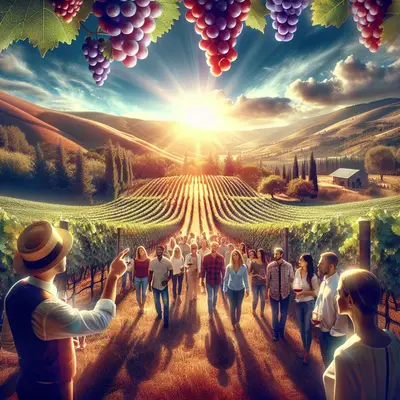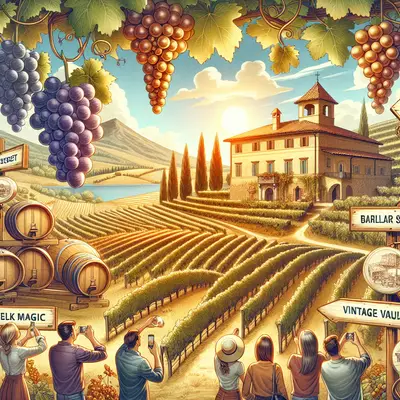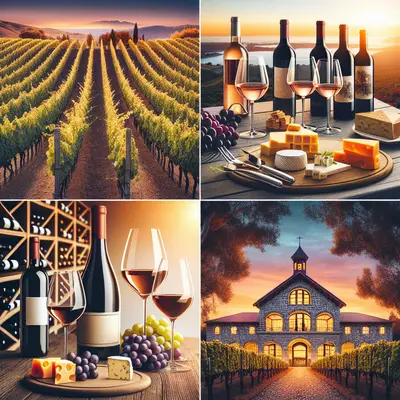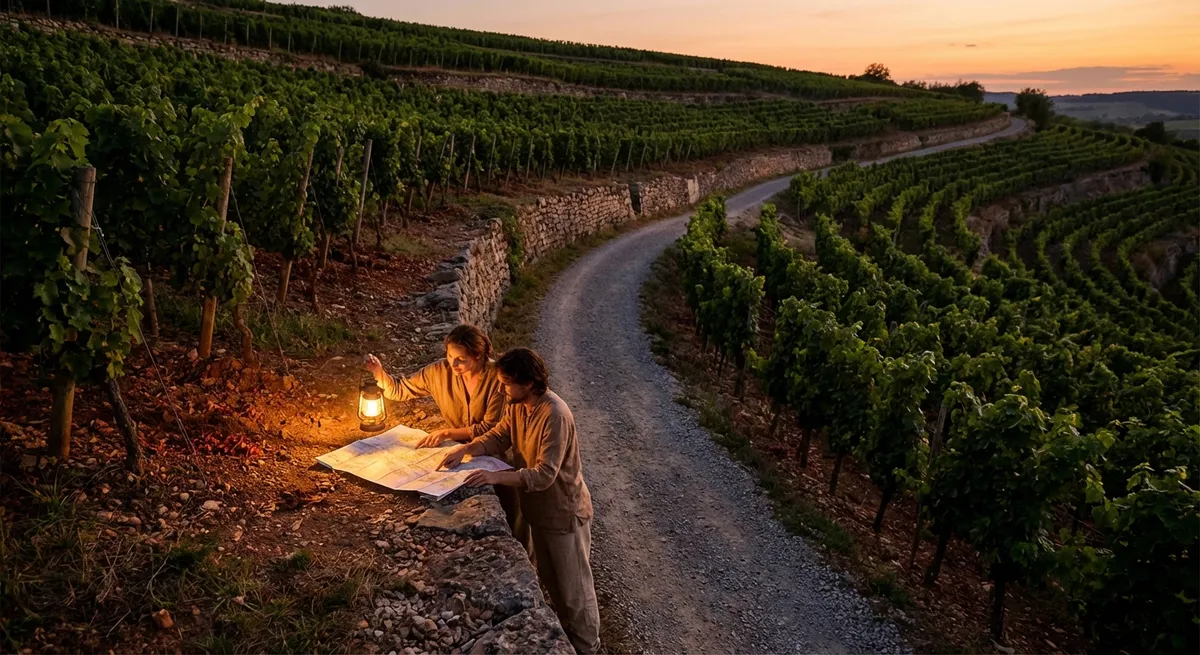
There is a moment, somewhere between the first pour and the last lingering finish, when a wine tour stops being an itinerary and becomes a private cartography of taste. At Wine Tour Adventures, we believe that moment is never accidental. It is designed—through choices of season, light, conversation, and nuance. This is not about checking vineyards off a list; it is about orchestrating a journey where every glass, every landscape, and every pause feels exquisitely intentional.
The Art of Arrival: Why Timing Shapes Every Glass
Wine regions reveal their character differently at 9 a.m. than they do at dusk. The most memorable tours treat arrival time as an essential pairing, not a logistical detail.
Morning visits often grant a kind of sensory clarity: the air is cooler, the cellars quieter, and your palate less fatigued. This is the ideal window for structured tastings—benchmark cuvées, verticals of a single vineyard, or side-by-side comparisons that demand focus. Late afternoon, by contrast, belongs to wines that invite contemplation: a single estate white enjoyed as the sun falls over the vines, or a mature red opened after a cellar walk.
Season matters equally. Visiting during harvest might appear glamorous, but in practice, the most meticulous producers are at their busiest and least accessible. Shoulder seasons—late spring and early autumn—often provide the most refined experiences: attentive hosts, unhurried tastings, and vineyard walks where you can sense the life cycle of the vine without the chaos of picking crews.
The most discerning travelers work with their host wineries to choreograph arrival windows, ensuring key tastings coincide with optimal serving conditions and the winemaker’s availability. It is not just when you arrive; it is how everything is aligned to meet you there.
Reading a Cellar Like a Map, Not a Museum
Many visitors treat a wine cellar as a backdrop for photographs. Serious enthusiasts understand it is a living archive of decisions—the purest expression of a producer’s philosophy.
Take note of what is emphasized. Are there rows of large, neutral foudres or a mosaic of small barriques? This speaks to the estate’s attitude toward oak and texture. Stainless steel tanks alongside concrete eggs may point to experimentation with energy, tension, and mouthfeel. Bottles coated in a fine veil of dust suggest slow release schedules and careful cellaring; pristine stacks with recent vintages may indicate a more rapid turnover.
Ask to see the “corners” of the cellar: the older vintages rarely poured, the experimental cuvées that never made it to market, the single barrel of a parcel the winemaker quietly adores. A cellar tour becomes truly elevated when it shifts from a recited script to a guided exploration of what the producer treasures most.
An insightful question—“Which wine here changed the way you think about your own estate?”—often reveals more than a dozen technical queries about fermentation temperatures ever could. The cellar is not just storage; it is the producer’s autobiography, written in glass and oak.
The Hidden Dialogue Between Landscape and Glass
Terroir is the most overused word in wine, yet its truest meaning is rarely experienced with care. A refined wine tour turns terroir from an abstract concept into a sensory conversation between the landscape and your palate.
Stand in the vineyard with a glass of the wine grown at your feet. Notice the angle of the slope, the direction of the wind, the feel of the soil in your hand—chalky, sandy, volcanic, clay-rich. Each element whispers clues: drainage, heat retention, ripening curve, aromatic profile. A cool, breezy parcel may translate into wines of precision and lift; a sun-drenched, stony slope into dense, powerful cuvées with sculpted tannins.
The most enriching visits juxtapose wines from contrasting parcels within the same estate, allowing you to feel how a single grape variety behaves differently just a few meters apart. This micro-awareness turns future tastings—anywhere in the world—into layered experiences. You no longer simply “like” a wine; you can sense the tension between hilltop and valley floor, morning fog and afternoon light.
To travel through wine regions in this way is to accumulate a quiet, global memory of landscapes that can be recalled with every uncorked bottle, long after the journey ends.
Curating Conversations: How to Engage Winemakers at Their Level
The rarest luxury on a wine tour is not a private tasting room; it is unguarded conversation with people who have devoted their lives to a place and a craft. The difference between a pleasant visit and an unforgettable one often lies in the quality of your questions.
Move beyond “Which wine is your favorite?” or “How many bottles do you produce?” Instead, invite narrative. Ask how the estate has changed over generations. Inquire which recent vintage surprised them, or which part of the vineyard they worry about most when storms approach. These questions elicit stories about risk, resilience, and judgment—the invisible architecture behind every label.
A sophisticated traveler also listens for what is not said. If a winemaker grows animated when discussing soil health, cover crops, or canopy management, they are signaling that viticulture, not just cellar technique, defines their identity. If they dwell on blending trials and barrel choices, explore how they craft harmony from disparate lots. Tailoring your curiosity to their deepest concerns fosters mutual respect.
In the end, what you carry home is not just tasting notes but fragments of a worldview: how this particular person, in this particular place, navigates time, weather, and uncertainty. That is the true provenance of a great wine memory.
Five Exclusive Insights for the Attentive Enthusiast
Amid the swirl of travel, it is easy to miss the details that separate a polished tour from a truly elevated experience. These five underappreciated insights are the quiet signatures of a well-designed wine journey:
**The First Pour Sets the Vocabulary**
The opening wine is not merely a “welcome glass”; it establishes the language of the tasting. A thoughtful estate chooses a cuvée that teaches you how to read the rest—often something precise, balanced, and archetypal for the region. Pay close attention: this glass is the key to understanding every wine that follows.
**Glassware Reveals the Estate’s Priorities**
The choice of stemware speaks volumes. Meticulously polished, varietal-specific glasses indicate a house that cares deeply about how its wines are experienced. Simpler, more robust glassware may signal a focus on conviviality over formality. Neither is inherently superior—but discerning guests notice the alignment between glass, wine style, and atmosphere.
**Silence Is a Critical Part of Tasting**
The most refined experiences include deliberate pauses—moments when no one is speaking, and the wine is allowed to resonate. A considered host will sometimes step back after pouring, giving you space to encounter the glass on your own terms. Embrace this quiet; it is where your personal relationship with the wine begins.
**Non-Flagship Wines Often Hold the Deepest Clues**
Many estates have a halo wine that draws attention, but it is frequently the so-called “entry-level” bottlings that best express the house philosophy. These wines are made in larger quantities, across more vintages, and with less margin for error. Ask to taste them with the same focus you reserve for grander labels—they often contain the purest expression of intent.
**Departure Is Part of the Design**
How a visit ends is as thoughtfully crafted, in the best houses, as how it begins. A final, unexpected pour, a short vineyard stroll back to your car, or a quiet recommendation for a nearby producer they admire—these gestures frame your last impression. Savvy travelers watch for these closing details; they often reveal a producer’s confidence, generosity, and long-term view of the relationship.
Weaving a Personal Atlas of Wine
A wine tour, at its most refined, is not a sequence of tastings but a slow construction of meaning. Each appointment, each landscape, and each conversation becomes a coordinate on your personal atlas of wine—one that grows richer with every journey.
Designing such an experience demands more than reservations and transportation. It requires intuition about timing, a willingness to ask better questions, and an eye for subtleties that many overlook: the curve of a hillside, the quiet pride in a winemaker’s voice, the way a simple village wine suddenly makes sense when you can see the soil from which it sprang.
At Wine Tour Adventures, we believe that the true luxury of travel lies in these refined details—those almost imperceptible choices that turn a day of tasting into a story you will return to each time a cork eases from the neck of a bottle. The route may be plotted on a map, but the journey, in the end, is written in the glass.
Sources
- [Wine Institute – Understanding California Wine Regions](https://www.wineinstitute.org/our-industry/california-wine) – Overview of how geography, climate, and terroir shape wine character
- [Bordeaux.com – The Terroirs of Bordeaux](https://www.bordeaux.com/us/Our-terrroirs) – Insight into how micro-terroirs within a single region influence style and structure
- [Institute of Masters of Wine – What is Terroir?](https://www.mastersofwine.org/what-is-terroir) – A technical yet accessible explanation of terroir and its components
- [UC Davis Department of Viticulture and Enology](https://wineserver.ucdavis.edu/industry-info/enology) – Research-based resources on viticulture, winemaking decisions, and cellar practices
- [OIV (International Organisation of Vine and Wine)](https://www.oiv.int/en/knowledge) – Authoritative global information on viticulture, oenology, and wine sector practices
Key Takeaway
The most important thing to remember from this article is that this information can change how you think about Wine Tours.