Premium wineries do not shout for attention; they compose it. For travelers accustomed to fine hotels and thoughtfully curated experiences, the world’s most refined estates offer something rarer than a luxury label: a meticulously orchestrated environment where architecture, viticulture, and hospitality speak a quiet, fluent language of detail. This is where the winery visit becomes less a tour and more an immersion—subtle, layered, and unforgettable.
Below, we explore five exclusive insights that reveal how the finest wineries craft these experiences, and how you, as a discerning wine traveler, can recognize and savor them.
The Architecture of Restraint: When Design Disappears into Landscape
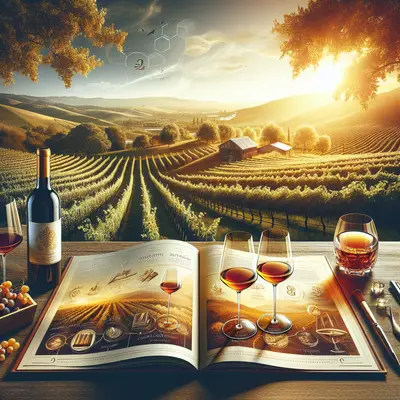
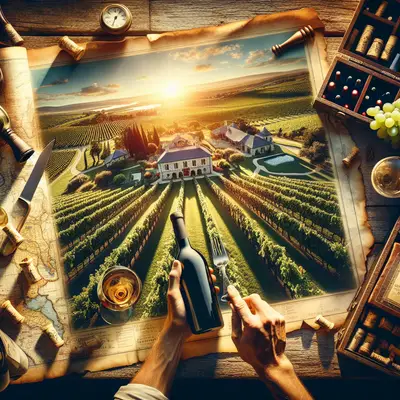
At truly premium wineries, architecture does not compete with the vineyard; it frames it. Walls are lowered, sightlines are choreographed, and materials echo the surrounding soils and stone. The goal is not visual drama alone, but a spatial calm that draws your attention back to what matters most: the glass in your hand and the landscape that created it.
You may notice how arrival sequences are carefully plotted. A curved drive shielding the full view until the last moment, a discreet courtyard before the main vista, a tasting room that opens like a proscenium to rows of vines and distant hills. Light is curated as deliberately as a wine list—softened through louvered slats, filtered by stone, or aligned to capture sunset over a key parcel of vines. Premium estates often favor tactile, honest materials: weathered oak that recalls barrel staves, local stone that mirrors the vineyard terraces, glass that seems to dematerialize between you and the view. The sophistication lies in how little is announced, and how deeply you feel the sense of place.
Exclusive Insight #1: At top-tier wineries, architectural luxury is measured by how effortlessly it disappears into the terroir, guiding your focus toward the vineyard rather than the building itself.
Precision Below the Surface: Inside the Quiet Technology of Excellence
On the surface, a premium winery may feel tranquil and timeless. Beneath that calm is an intricate choreography of technology, science, and human judgment. Temperature-controlled fermentation, gravity-flow cellars, and precisely calibrated barrel rooms are not indulgences; they are instruments of nuance.
Gravity-flow systems, for example, eliminate the need for aggressive pumping, allowing juice to move gently from grape reception to fermentation, then to barrel. The result is a subtler extraction of flavor and tannin—less mechanical force, more textural finesse. In the barrel hall, carefully managed humidity and temperature preserve the wine’s long, slow evolution, ensuring the integrity of both fruit and oak influence. Many premium estates now integrate cutting-edge vineyard mapping, weather data, and soil analysis, yet present only the serene surface: a guide’s quiet confidence, a perfectly timed barrel sample, a glass poured at precisely the right temperature.
Exclusive Insight #2: When touring elite cellars, notice the balance between state-of-the-art and invisible; the highest expression of technology is often the one you barely see, but unmistakably taste.
The Vineyard as Library: Reading Subtle Chapters of Terroir
In the most distinguished wine regions, a vineyard block is never just a piece of land—it is a chapter in a narrative written over generations. Top-tier estates invite you to read that story, not through grand explanations, but through thoughtfully sequenced tastings and vineyard walks.
You might be poured two wines from the same grape and vintage, differentiated only by a single hillside, a few meters of elevation, or a subtle shift in soil composition. One carries a silkier tannin frame and floral aromatics; the other, a darker fruit profile and more architectural structure. Premium wineries turn these contrasts into a kind of cartography in the glass, letting you “walk” the property through flavor. For the observant guest, capricious details—a slightly cooler breeze in a higher block, a nuanced curve in the slope—become intertwined with the wines you taste later in the day.
Exclusive Insight #3: The finest estates use comparative tastings from specific parcels to let you experience terroir directly, transforming the vineyard into a living library you can taste rather than simply tour.
Hospitality by Omission: The Art of Knowing What Not to Do
Luxury in wine hospitality is often defined less by what is offered, and more by what is intentionally left out. There may be no printed flight list, no hurried script, no crowded bar of glasses lined three deep. Instead, there is space—mental as much as physical—for a quiet conversation about what you enjoy, and a bespoke response that unfolds from there.
At exemplary wineries, hosts ask precise, open-ended questions: What wines have moved you recently? Do you gravitate toward texture or aroma? How much time do you have—and how much do you wish to linger? Answers subtly shape the tasting: an extra library bottle appears, a barrel sample emerges, or a terrace table is held a little longer at golden hour. The experience feels unhurried not because the calendar is empty, but because the schedule has been choreographed to absorb your presence gracefully.
Exclusive Insight #4: In a truly premium setting, hospitality is tailored not by scripted tiers but by attentive omission—fewer interruptions, fewer choices at once, and more space for an individualized dialogue with the wines.
Time as the Ultimate Luxury: Access to Patience and Provenance
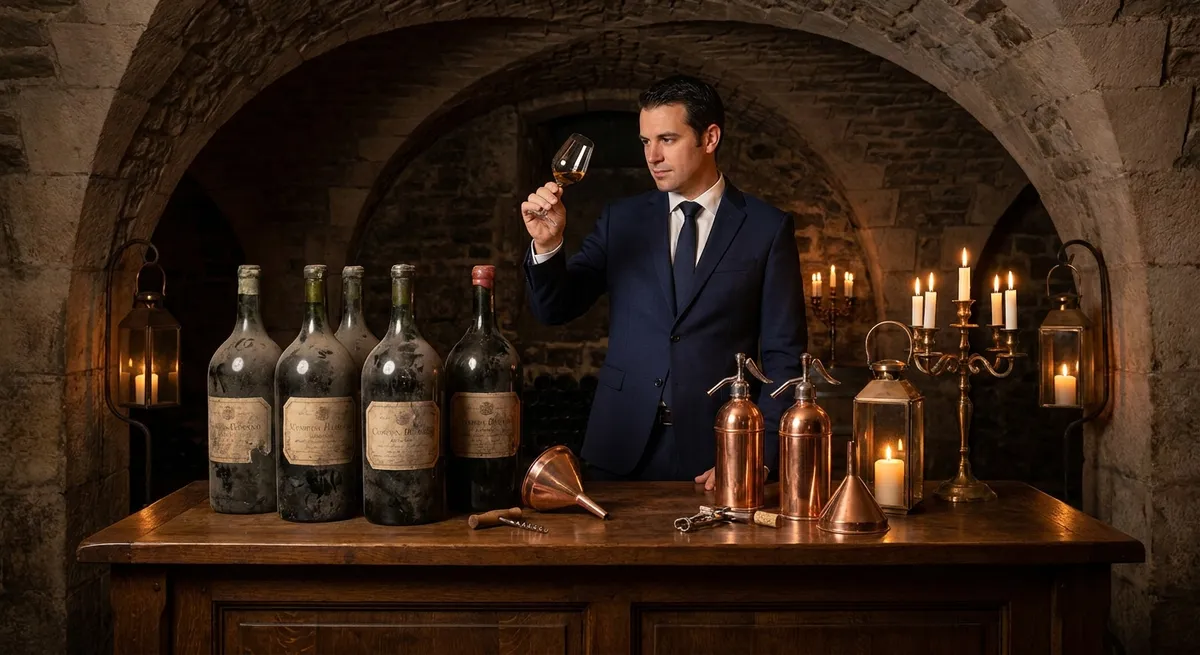
In the world of fine wine, time is the rarest currency. Beyond polished tasting rooms and manicured rows, the deepest privilege a premium winery can offer is access—to older vintages, to vertical tastings that span decades, and to the stories of people who have stewarded the estate across generations.
A carefully curated vertical tasting reveals far more than evolving flavors. It shows how a single vineyard responds to different seasons, how winemaking philosophies have matured, and how gracefully the wines inhabit time. When a host places a well-cellared, older bottle beside its current release, you suddenly see the trajectory: where the youthful vintage might be headed, and how decisions today are informed by years of observation. That perspective is not easily replicated outside the estate itself.
Exclusive Insight #5: The most meaningful luxury a top winery offers is temporal perspective—privileged access to older vintages and vertical tastings that let you taste time, not just wine.
Conclusion
Premium wineries are not defined solely by price tags or accolades, but by orchestration: a disciplined alignment of architecture, vineyard, cellar, and hospitality into a seamless experience. For the discerning traveler, recognizing the quiet signatures—architecture that recedes, technology that whispers, vineyards that speak in contrasting glasses, hospitality that listens, and time laid open in the cellar—transforms a pleasant visit into a deeply resonant journey.
When you next plan a wine tour, look beyond the famous labels. Seek the estates where every detail, from the curve of a hillside to the cadence of your host’s questions, has been considered with almost musical precision. That is where true luxury in wine begins—not with excess, but with intent.
Sources
- [Napa Valley Vintners – Gravity Flow Wineries](https://napavintners.com/napa_valley/gravity_flow_wineries.asp) - Overview of gravity-flow design and its role in gentle winemaking at premium estates
- [Wine Institute – Sustainable Winegrowing Practices](https://www.wineinstitute.org/our-work/our-commitment/sustainability) - Details on advanced vineyard and winery practices used by leading producers
- [Harvard Graduate School of Design – The Architecture of Wine](https://www.gsd.harvard.edu/2020/09/the-architecture-of-wine/) - Discussion of how contemporary winery architecture engages landscape and experience
- [UC Davis Department of Viticulture & Enology](https://wineserver.ucdavis.edu/) - Authoritative research and resources on winemaking technology, cellar management, and terroir expression
- [Decanter – Vertical Tasting Guide](https://www.decanter.com/learn/what-is-a-vertical-wine-tasting-ask-decanter-289547/) - Explains the significance of vertical tastings and aging, often highlighted at premium wineries
Key Takeaway
The most important thing to remember from this article is that this information can change how you think about Premium Wineries.