Wine tasting, at its highest expression, is less a hobby than a quiet discipline—a choreography of sight, scent, texture, and time. Beyond the usual vocabulary of “notes” and “finish” lies a more intricate world: how the glass alters the wine’s posture, how silence sharpens perception, how light itself can mislead a seasoned taster. For travelers and connoisseurs seeking more than a casual sip between vineyards, understanding these subtler dimensions transforms every pour into an experience of precision and intent.
This is an invitation to step past the familiar and into five exclusive insights that shape how professionals and devoted enthusiasts truly taste.
1. The Architecture of the Glass: Designing the Wine’s Trajectory
Among experienced tasters, stemware is not an accessory but an instrument—one that decides how a wine arrives on the palate, where it lands, and how its aromas unfold. The width of the bowl regulates surface area and volatility; the chimney narrows or diffuses aromatics; the rim’s diameter guides the wine to specific regions of the tongue, emphasizing acidity, fruit, or structure.
A high-acid Riesling, for instance, reveals more nuance in a glass with a slightly narrower bowl and tapered rim, which concentrates delicate aromatics and directs the wine toward the front and sides of the tongue. By contrast, a broad, open Burgundy bowl allows oxygen to unfurl tertiary aromas in a mature Pinot Noir—dried rose, forest floor, subtle spice—before the wine even reaches the lips.
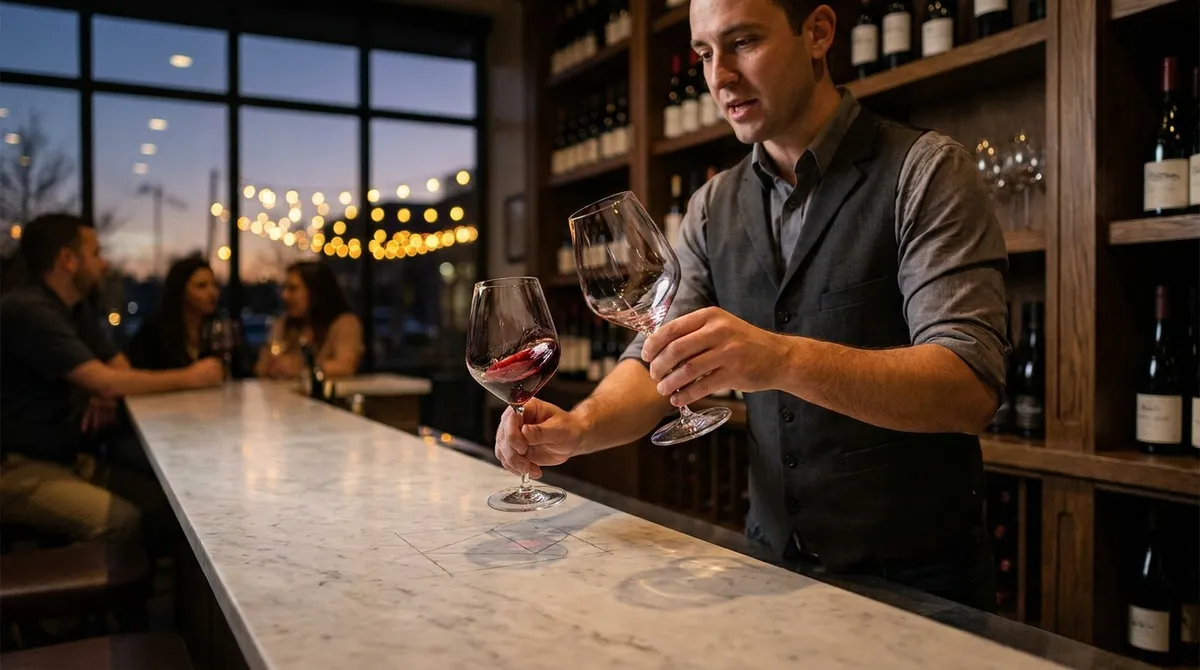
When you move from tasting room to tasting room, pay attention not only to what you are poured, but into what you are poured. Ask to compare the same wine in two different glasses. The shift in perceived fruit, acidity, and texture can be startling. Over time, you begin to read a glass the way you read a label: as a declaration of intent.
2. The Quiet Science of Temperature: Precision Within a Narrow Band
Much is written about serving temperature, but in refined tasting, the conversation moves from broad “red vs. white” rules to finely tuned ranges designed to reveal specific structural elements. Cooler temperatures accentuate acidity and tannin while muting aromatic complexity; slightly warmer service can unlock more intricate aromatics and softer textures, at the risk of emphasizing alcohol.
For serious tasting, high-quality sparkling may be most expressive around 8–10°C (46–50°F), where the mousse feels fine rather than aggressive and autolytic notes (brioche, pastry, cream) are legible. Structured whites and lighter reds—think Premier Cru Chablis or elegant Cru Beaujolais—often show best in the 12–14°C (54–57°F) window, a sweet spot where freshness remains intact but subtler layers emerge.
Full-bodied reds can be easily ruined by “room temperature” in a modern, overheated environment. The ideal range of approximately 16–18°C (61–64°F) allows tannins to feel supple rather than coarse, and aromatic detail to rise above a blanket of alcohol. When visiting wineries, notice whether the tasting room respects these narrow bands. If a pour feels too warm, calmly cradle the stem, swirl sparingly, and wait. Patience, in this context, is an act of refinement.
3. Texture as Language: Reading Tannins, Acidity, and Grain
Most casual tasting notes default to flavor descriptors—berries, citrus, spice—while overlooking the true structural vocabulary of fine wine: texture. In the professional arena, tasters evaluate the grain of tannins (powdery, chalky, granular, rustic), the contour of acidity (linear, rounded, piercing, gentle), and the way these elements interlace across the palate.
In a young Barolo or structured Cabernet Sauvignon, tannins may initially feel assertive, but what matters is not their power alone but their shape and resolution. Fine, long-grained tannins suggest high-quality phenolic ripeness and thoughtful extraction, even when they are still formidable. Similarly, acidity should not be judged on intensity alone; incisive, well-integrated acidity can elongate flavor and refresh the palate, while disjointed or “spiky” acidity breaks the wine into separate, less harmonious parts.
Advanced tasters often perform a mental “texture map” as they taste: How does the wine enter? Does it swell at mid-palate? Does it taper gracefully or drop abruptly? On your next tour, try a tasting in silence, focusing exclusively on mouthfeel for the first sip—no flavor words allowed. Only after mapping the structure should you invite fruit, spice, and floral notes into the conversation. The wine becomes less a list of flavors and more an architectural experience.
4. The Role of Light, Color, and Time in the Glass
The visual assessment of wine is far more than a ritualized swirl and glance. Under professional conditions, neutral light is meticulously controlled because color and clarity can mislead or misinform the taster. Strongly tinted tasting rooms, dark wood paneling, or outdoor sunlight at odd angles can all interfere with accurate perception.
Color can tell you something, but only when interpreted with restraint and context. A youthful, pale-hued Pinot Noir may still be aromatically intense; a deeply colored red is not automatically superior. In whites, a subtle deepening of color in older vintages—lemon turning to gold, then amber—may signal graceful evolution, but it can also hint at oxidation or heat damage. The critical task is comparison: noticing how one vintage, one parcel, or one aging approach shifts tone in relation to another.
Time in the glass is equally revealing. A serious wine should not merely withstand air—it should change in its presence. Over the course of 20–40 minutes, you are looking for narrative: a shy nose becoming articulate, primary fruit making room for savory or mineral accents, tannins moving from angular to more resolved. On tour, resist the urge to finish each pour too quickly. Keep a small amount of your favorite wine from the lineup and revisit it after you’ve tasted others. The evolution you witness will often tell you more about the wine’s true quality than your first impression.
5. Context as a Hidden Ingredient: Environment, Sequence, and Silence
The most exclusive insight in refined wine tasting may be the least visible: context. The environment in which you taste—the soundscape, the pacing, the order of wines, even your posture—subtly but decisively shapes your perception.
Noise and distraction can compress your sensory bandwidth. A crowded bar-style tasting, for example, encourages rapid sips and superficial impressions; a quiet seated tasting, by contrast, invites nuance. Many top estates now curate tasting sequences as carefully as chefs design tasting menus, arranging wines by structure and energy rather than simple categories like “white before red.” A textured, mineral-driven white can sometimes follow a lighter red more gracefully than the reverse, preserving the delicacy of both.
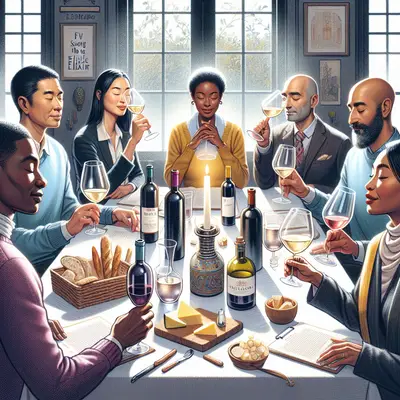
Silence, used deliberately, becomes an instrument. Professional tasters often spend the first moments with a wine without speaking, allowing their senses to adjust, their expectations to settle. On your next wine tour, consider requesting a more contemplative format: fewer wines, longer intervals, perhaps a short period of silence at the beginning of each flight. The wines do not change—but the way you hear them does.
Conclusion
At its most elevated, wine tasting is an exercise in noticing: the way a glass directs a pour, the narrow margin where temperature perfects balance, the grain of tannins as they unfurl across the palate, the subtle transformation of color and aroma over minutes, and the quiet influence of environment and sequence. These are the dimensions that separate a pleasant afternoon of sampling from an experience that lingers in memory and refines your palate long after the last glass is cleared.
For those who travel in pursuit of wine, bringing this level of attention turns every visit into more than a destination; it becomes a study in craft, precision, and the art of patience—one glass at a time.
Sources
- [Wine Tasting 101 – Understanding the Basics](https://www.wsetglobal.com/knowledge-centre/wset-articles/2020/may/wine-tasting-101-understanding-the-basics/) - WSET (Wine & Spirit Education Trust) overview of professional tasting structure and technique
- [Serving Wine at the Right Temperature](https://www.decanter.com/learn/serving-wine-at-the-right-temperature-329546/) - Decanter’s guidance on ideal service temperatures for different wine styles
- [Does Shape Matter? Glass Shape Influences Aroma and Flavor Perception](https://pubs.acs.org/doi/10.1021/jf0201234) - Research article in the Journal of Agricultural and Food Chemistry on how glassware affects sensory perception
- [Wine Tasting: Smell, Taste, and Texture](https://winefolly.com/tips/wine-tasting-smell-taste-texture/) - Wine Folly’s breakdown of aroma, taste, and mouthfeel as components of wine evaluation
- [Wine Storage and Serving Tips](https://www.ucdavis.edu/food/news/wine-storage-and-serving-tips) - UC Davis resource on temperature, storage, and factors that influence wine quality and tasting conditions
Key Takeaway
The most important thing to remember from this article is that this information can change how you think about Wine Tasting.