Wine tours, at their most elevated, are less about transit from one tasting room to the next and more about the architecture of experience. The finest journeys through wine regions unfold with the quiet precision of a well-composed cellar: season, time of day, vineyard aspect, and even the cadence of conversation align to reveal something rare. For travelers who seek more than a checklist of famous labels, the true luxury lies in nuance—those curated, almost invisible decisions that transform a pleasant outing into a deeply memorable pilgrimage through place, craft, and time.
Designing a Journey Around the Vineyard’s Clock
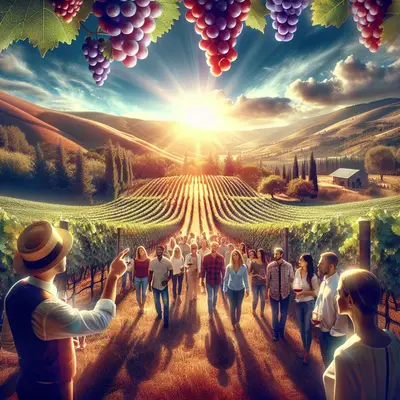
The most rewarding wine tours are orchestrated not by the human clock, but by the vineyard’s own rhythm. Morning visits to cool-climate regions reveal a completely different personality than late-afternoon encounters with the same vines. In the early hours, when fog still lingers or the air remains crisp, acidity and freshness feel somehow more vivid, and the interplay between fruit and structure emerges with striking clarity. Late afternoon, by contrast, softens edges: tannins can seem more supple, aromas more expansive, and the landscape itself takes on a golden, languid tone that changes how you perceive the glass in your hand.
Seasonality is equally decisive. A visit during budbreak invites a sense of promise and fragility, while veraison—when grapes begin to change color—reveals the living tension between ripeness and restraint. Harvest introduces a kinetic energy: tractors, picking bins, and the hum of the crush pad give context to every sip. Consciously aligning your itinerary with these vineyard milestones converts “a day of tastings” into a narrative you can taste: emergence in spring, tension in summer, crescendo in harvest, reflection in winter.
Exclusive Insight #1: Plan at least one key visit at the exact time when the estate’s vineyards face their most expressive light—often early morning for east-facing slopes and late afternoon for west-facing ones. You’ll not only photograph the vineyard at its most beautiful; you’ll also taste the wines with a sensory backdrop that mirrors how the grapes experienced their growing season.
Moving Beyond the Tasting Bar: Immersive, Site-Specific Encounters
For the discerning traveler, the true luxury lies in stepping beyond the polished tasting counter into spaces that feel almost private to the land itself. A comparative tasting among barrels in a cool cellar, a single-vineyard flight conducted at the edge of that parcel, or a vertical tasting spanning a decade of vintages provides far greater insight than a standard selection of current releases.
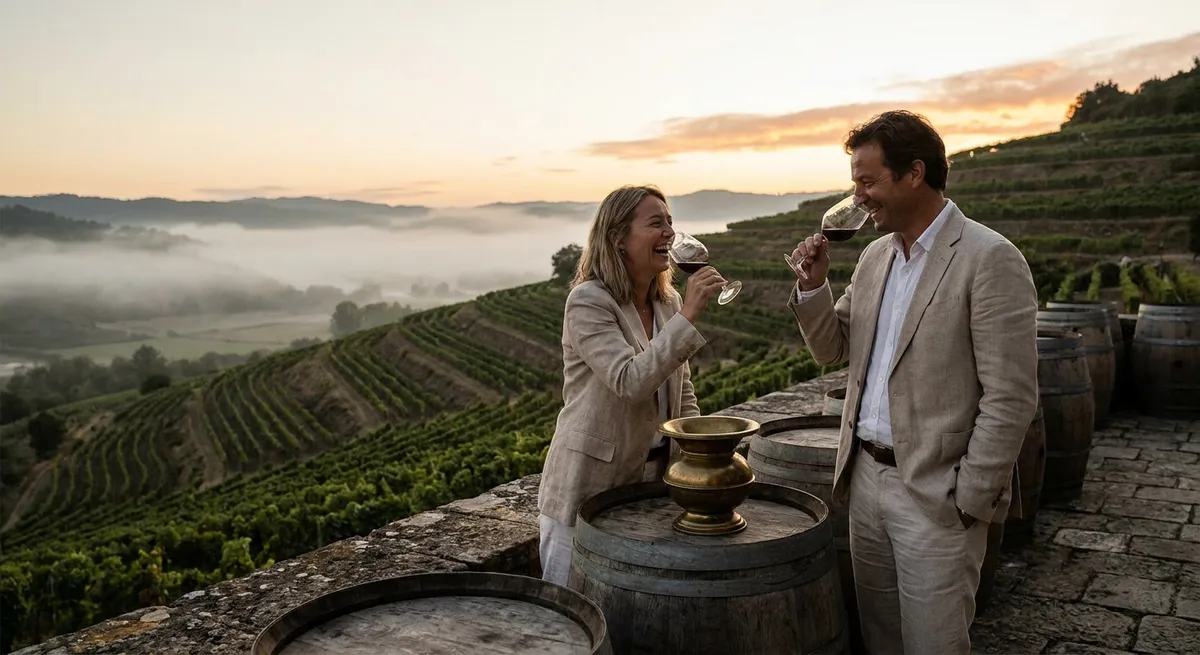
When a winery hosts you within the fabric of its production—barrel rooms, library cellars, or secluded terraces overlooking specific blocks—you begin to understand why a slope, a row orientation, or a particular clone matters. Tasting a single parcel in barrel, then again from bottle, transforms abstract concepts like “terroir” and “elevage” into something tangible. You start to sense the decisions behind each vintage: when to pick, how to handle extraction, whether to employ new oak or neutral barrels, and how patiently to wait before release.
Exclusive Insight #2: When arranging visits, request one focused, non-standard experience—such as a vertical tasting of a flagship cuvée, a barrel sample comparison, or a single-vineyard exploration. Even one such appointment anchors your entire journey, giving structure and depth to every other tasting that follows.
Reading a Cellar Like a Story, Not a Storage Room
The most sophisticated wine tours treat the cellar as a text, not an inventory. Barrel type, size, age, and arrangement; the proportion of concrete, stainless steel, and wood; even the ambient temperature and scent of the space—all of these elements offer clues to the winery’s philosophy. A cellar filled with large-format neutral foudres suggests an emphasis on clarity of fruit and place; an array of tightly stacked new barriques points to a house style that embraces intensity, polish, and structure.
Pay attention to the language used by winemakers and cellar masters as they guide you: are they speaking of “purity,” “precision,” and “line,” or do they emphasize “power,” “texture,” and “opulence”? Notice how they describe challenge years versus generous ones—do they lean into the character of each vintage, or do they aim for consistency? These subtleties equip you to understand not only what you are tasting today, but how future vintages might evolve.
Exclusive Insight #3: Ask to taste one wine that the estate considers “atypical” for a given vintage—perhaps from a challenging year or an experimental parcel. This single glass often reveals more about the integrity and curiosity of the producer than any perfectly polished “great” vintage.
Cultivating the Art of High-Fidelity Tasting on the Road
Travel introduces variables—altitude, fatigue, temperature, pacing—that can blur your sensory acuity. A refined wine tour, therefore, incorporates a quiet discipline designed to protect your palate. The most discerning travelers structure days with intention: a restrained number of appointments, generous gaps between visits, and a deliberate alternation between stylistically different producers to avoid sensory fatigue. Hydration and thoughtfully paced meals—light, savory, and not overly aromatic—help keep perception sharp.
Glassware and serving temperature are equally crucial. While you cannot control every pour, selecting wineries that prioritize proper stemware and temperature service dramatically elevates the experience. When possible, ask to taste a key wine twice: once as poured, and again after a few minutes of aeration in the glass. Noting how the wine shifts—even in that short time—trains you to recognize structure, energy, and potential for aging.
Exclusive Insight #4: For one estate you are particularly excited about, plan to revisit a core wine at the end of the tasting—either as a fresh pour or from what remains in your glass. Observing how the wine evolves over 20–30 minutes offers a preview of how it will behave over years in your cellar.
Curating Memory: From Souvenirs to Personal Library
A truly elevated wine tour extends far beyond what you drink during the trip; it lives on in how you curate and revisit those bottles later. Rather than accumulating as many labels as possible, consider building a focused mini-library around a theme: different vintages of the same cuvée, multiple producers working with the same grape variety, or wines that share a common soil type or altitude. This approach allows you to reconstruct the region’s nuances at home, transforming post-trip dinners into purposeful, comparative tastings.
Documentation is part of the refinement. Photographs of specific plots, brief notes on weather, soils, and key impressions, and even printed maps annotated during your visits will deepen your connection to the bottles you bring back. Months or years later, uncorking a wine becomes less an isolated event and more a return journey to a hillside, a conversation, a light-filled cellar, or a particular evening when the air carried the scent of crushed herbs and warming stone.
Exclusive Insight #5: When purchasing on-site, always include at least one bottle that is not listed among the estate’s most famous releases—perhaps a lesser-known parcel, a blanc de noirs from a sparkling producer, or a quietly produced field blend. These under-the-radar selections often become the most transporting souvenirs, revealing facets of the estate’s character that rarely reach export markets.
Conclusion
At its highest expression, a wine tour is less a sequence of appointments and more an exercise in intentionality. By aligning your itinerary with the vineyard’s natural rhythms, seeking immersive and site-specific encounters, reading cellars as narratives, protecting the fidelity of your palate, and curating a thoughtful personal library, you convert travel into an ongoing conversation with place and time. The result is not merely a collection of impressive labels, but a tapestry of experiences—quietly luxurious, meticulously observed, and enduring long after the journey itself has ended.
Sources
- [Wine Institute – Winegrowing Regions of California](https://wineinstitute.org/our-industry/regions) – Overview of major wine regions and their climatic and geographic distinctions
- [UC Davis Department of Viticulture and Enology](https://wineserver.ucdavis.edu/industry-info/enology) – Educational resources on winemaking, cellar practices, and sensory evaluation
- [Institute of Masters of Wine – The Impact of Climate on Wine Style](https://www.mastersofwine.org/knowledge/climate-and-wine) – Expert insights into how climate and seasonality shape wine character
- [OIV (International Organisation of Vine and Wine)](https://www.oiv.int/en/scientific-and-technical-documents) – Technical publications on viticulture and oenology practices worldwide
- [Decanter – How to Taste Wine](https://www.decanter.com/learn/how-to-taste-wine-gyms-guide-94502/) – Practical guidance on refining tasting technique and managing palate fatigue
Key Takeaway
The most important thing to remember from this article is that this information can change how you think about Wine Tours.