Some wineries do not shout their presence; they resonate in a lower, finer register. These are the places where the experience is not about spectacle, but about precision, restraint, and the deliberate pursuit of perfection in every detail—from the angle of a vine row to the weight of the stemware. For discerning travelers, premium wineries are not simply stops on an itinerary; they are destinations in themselves, each with its own philosophy, rhythm, and aesthetic language.
This exploration is crafted for those who seek more than “good wine.” It is for enthusiasts attuned to nuance—where provenance, craftsmanship, and ambiance form a seamless, elevated experience. Below are five exclusive, insider-level insights that quietly define the world’s most refined winery visits.
The Architecture of Intention: When Design Shapes the Wine
At a truly premium estate, architecture does more than house barrels and guests; it becomes an extension of the winemaker’s intent. From gravity-flow wineries built into hillsides to subterranean barrel chambers designed to breathe with the seasons, every structural decision subtly informs the character of the wine and the mood of the visit.
In many leading regions, estates are now conceived holistically: vineyard, cellar, and hospitality spaces aligned to a single aesthetic vision. A tasting room with floor‑to‑ceiling vineyard vistas is not merely picturesque—it frames the origin of every glass poured, reinforcing the emotional bond between place and palate. Materials are equally purposeful: cool stone to stabilize temperature, reclaimed wood to soften acoustics, natural light calibrated to flatter both wine and landscape.
Increasingly, high-end wineries are also using architectural discretion as a hallmark of sophistication. Instead of ostentatious façades, visitors find restrained, finely detailed spaces where the luxury lies in impeccable finish rather than grandiosity. For the observant guest, these choices whisper a simple truth: a winery that obsesses over the angle of a staircase or the grain of a tasting counter almost certainly obsesses over the subtleties in your glass.
Precision in the Vineyard: The Micro-Details Behind Macro Quality
Premium wine is born long before the first fermentation—it begins with decisions made vine by vine, row by row. At the upper tier of winemaking, vineyard management becomes a near-clinical pursuit of precision: mapping soil variability, tracking microclimates, and adapting canopy management down to individual parcels. What might look like a uniform hillside is, to the estate team, a mosaic of distinct personalities.
Meticulous producers now use technologies such as satellite imagery and drones to observe vine vigor, while soil pits reveal subtle variations in texture, drainage, and mineral composition. These insights then guide rootstock selection, planting density, and harvest timing. Hand harvesting remains a non-negotiable standard among the most serious estates, often conducted in multiple passes so that only perfectly ripe clusters are selected at each moment.
For the thoughtful visitor, one of the most revealing questions is not “What grapes do you grow?” but “How differently do you treat your parcels?” A premium winery will answer with specificity: the cooler, east-facing slope reserved for elegant, aromatic wines; the rocky parcel yielding structured, age-worthy bottlings; the experimental block farmed biodynamically or organically. This narrative of micro-differentiation is the true heartbeat of premium viticulture—and a key insight into why some wines feel so uncannily precise on the palate.
Beyond the Label: The Hidden Layers of Cellar Craft
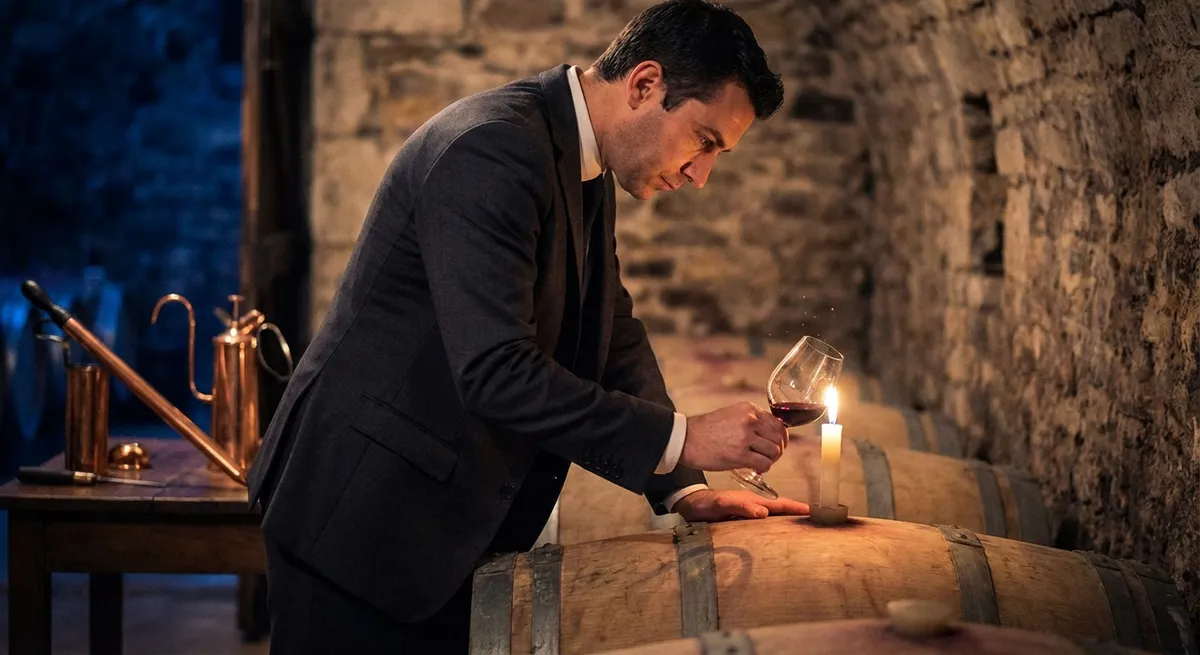
Cellar tours at premium wineries can be theatrical—rows of barrels lit like a chapel, hushed corridors of bottle-lined stone—but the deeper story is technical, exacting, and quietly fascinating. The world’s top producers make hundreds of micro-decisions each vintage, most of which never appear on the label yet profoundly shape the wine’s texture, longevity, and aromatic complexity.
Choice of fermentation vessel alone—stainless steel, concrete, large neutral oak, or finely grained new barriques—affects not only flavor but also the pace and style of development. Temperature control during fermentation, the timing and frequency of pump-overs or punch-downs, the decision to use wild versus cultured yeasts: each is a philosophical stance as much as a technical one. In white winemaking, choices around lees contact and bâtonnage (stirring of the lees) can impart a silken, layered mouthfeel that experienced tasters recognize instantly.
The most refined estates are increasingly transparent about these intricacies during private visits, offering barrel samples or comparative tastings that reveal the difference between vineyard parcels, barrel types, or élevage durations. For enthusiasts, this is where the magic becomes legible: you begin to perceive not just the finished wine, but the series of deliberate, nuanced steps that brought it into being.
The Art of the Visit: Curated Experiences for the Attentive Traveler
At a premium winery, hospitality is choreographed with the same care as a grand tasting menu. Schedules are intentionally limited, ensuring that guests experience an atmosphere of unhurried calm rather than crowding. Tastings often unfold in architecturally distinctive spaces—private salons, galleries, or terraces overlooking key vineyard blocks—each chosen to complement the wines poured.
The most memorable visits feel carefully sequenced. A sparkling or white wine may welcome you on arrival, refreshing the senses and inviting focus. Progressive flights are often organized by vineyard, vintage, or style, guiding guests through a narrative rather than a simple lineup. Glassware is not an afterthought; estates invest in precise stem choices, recognizing how bowl shape and rim diameter subtly alter aromatic perception and mouthfeel.
Seasoned travelers know to look for small but telling details: the quality of the spittoons, the temperature at which wines are served, the pacing between pours. At the top level, staff are less “guides” and more custodians of the estate’s story—able to speak eloquently about soils and cellar methods while also gauging a guest’s level of knowledge to tailor the conversation. The result is an experience that feels at once polished and deeply personal, leaving guests with the sense that they have been hosted, not processed.
Collectors’ Intelligence: How Premium Wineries Shape the Future of the Cellar
For enthusiasts who collect, visiting premium wineries offers a rare form of market intelligence that no tasting note or rating can fully replicate. Direct engagement with the estate allows you to understand vintage conditions from the inside: which parcels excelled, which cuvées are particularly age-worthy this year, and where quantities are especially limited. This granular insight can subtly redirect a buying strategy for years to come.
Allocation-only or members-only bottlings often represent the purest expression of an estate’s philosophy—micro-cuvées crafted from exceptional parcels, experimental fermentations, or rare old-vine plantings. Access to these wines, secured through thoughtful relationships and repeated visits, can quietly elevate a private cellar beyond the obvious “trophy” labels. Collectors also gain a clearer sense of an estate’s evolution over time: tasting across multiple vintages on-site reveals stylistic shifts, refinements in vineyard management, or new approaches in the cellar.
The most discerning estates now offer advanced vertical tastings or library releases, allowing guests to experience firsthand how their wines age across decades. These encounters are invaluable. They not only refine your sense of a wine’s optimal drinking window, but also teach you how structure, acidity, and tannin resolve over time—lessons that inform purchasing decisions across regions and producers. In this way, a visit becomes more than an indulgence; it is a strategic, quietly powerful education in the long game of fine wine.
Conclusion
Premium wineries occupy a singular space where craft, place, and experience converge into something quietly extraordinary. Their allure does not rest solely on luxury trappings, but on a deep, disciplined commitment to excellence that permeates every decision—from vineyard mapping to barrel selection, from architectural nuance to the cadence of a tasting.
For the devoted wine traveler, seeking out these estates is less about ticking famous names off a list and more about entering a series of meticulously crafted worlds, each with its own logic and language. In these spaces, one learns that true luxury is not extravagance, but intentionality—the careful shaping of every element so that, for a few considered moments, the glass in your hand reflects not just a wine, but an entire philosophy made tangible.
Sources
- [Napa Valley Vintners – What Makes a World-Class Winery](https://napavintners.com/napa_valley/world_class_wineries.asp) - Overview of factors that define top-tier wineries, from vineyard practices to visitor experience
- [Institute of Masters of Wine – Viticulture and Winemaking Resources](https://www.mastersofwine.org/viticulture-and-winemaking) - Technical insights into advanced vineyard management and cellar decisions
- [UC Davis Viticulture and Enology](https://wineserver.ucdavis.edu/industry-resources) - Research-based information on grape growing, fermentation, and wine quality
- [Decanter – Gravity-Flow Wineries Explained](https://www.decanter.com/learn/gravity-flow-wineries-296541/) - Discussion of winery design and how architecture impacts winemaking
- [Wine Institute – Sustainable Practices in Premium Vineyards](https://wineinstitute.org/our-work/sustainable-winegrowing) - Details on sustainability and precision viticulture in quality-focused estates
Key Takeaway
The most important thing to remember from this article is that this information can change how you think about Premium Wineries.