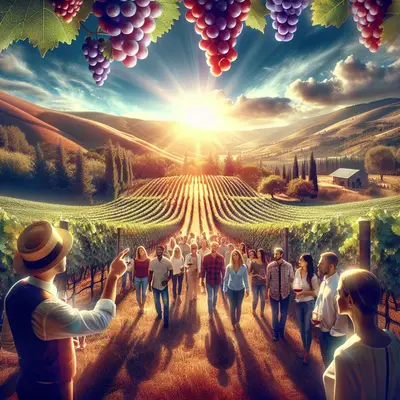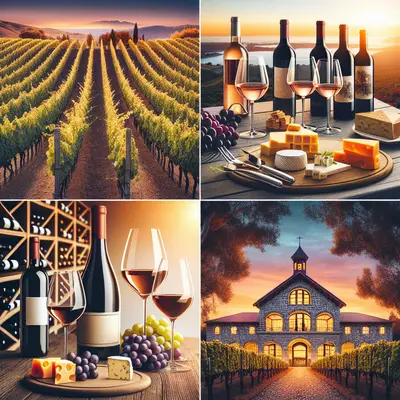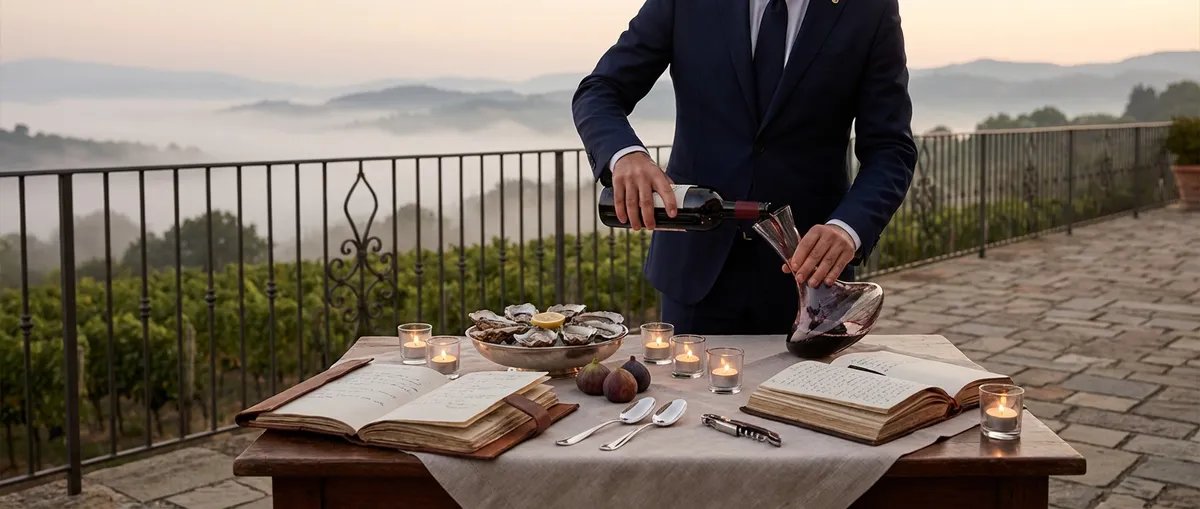
There is a moment, somewhere between the first swirl of a glass and the last lingering note on the palate, when time seems to slow. That is the moment Wine Tour Adventures exists to extend—crafting journeys where wine is not simply tasted but elegantly staged against landscapes, architecture, and conversation. For the traveler who seeks more than a checklist of famous estates, a truly refined wine tour is an orchestration: of terroir and timing, of light and silence, of people and their stories.
Below, we explore how to curate a wine tour that feels less like a vacation and more like a private, unfolding narrative—complete with five exclusive insights that discerning wine enthusiasts will recognize and value.
Designing a Journey Around Ripeness, Not Reservations
Most wine trips are planned around availability: which estates have openings, which days fit the calendar. A more sophisticated approach begins not with schedules, but with the life cycle of the vineyard.
Aim to anchor your itinerary around key viticultural moments: budbreak’s tender greens in spring, the luminous intensity of véraison (when grapes change color and accumulate sugar), or the electrifying pace of harvest. Each phase alters not just the scenery, but the texture of every visit—what’s in barrel, what’s in tank, and how candidly winemakers speak about the current vintage.
Even within a single region, early and late ripening sites will be at subtly different stages. A carefully arranged route that moves from cooler, higher-elevation parcels in the morning to warmer valley floors in the afternoon can give you, in a single day, a living cross-section of the vintage in progress. This is not just touring; it is witnessing a year in the life of a wine, in real time.
Exclusive Insight #1: Ask estates specifically, “Where are you in the growing season this week, and what will I be able to see or taste that I couldn’t three weeks ago?” This single question often unlocks private vineyard walks, tank tastings, and candid vintage discussions that casual visitors never experience.
The Architecture of Tasting: Light, Acoustics, and the Glass in Your Hand
Refined wine travel is as much about the frame as the painting. The room, the light, even the acoustics around you change how a wine is perceived. A premium tour quietly acknowledges and manipulates these elements.
Seek estates that have invested not only in their cellars but in their tasting spaces: rooms with natural, not colored, light; neutral backgrounds that let the color of the wine speak; and furnishings that keep the bottle, not the décor, at center stage. Minimal echo enhances conversation and concentration, especially during comparative flights where nuance matters.
Then there is glassware. While many visitors accept whatever stemware is offered, enthusiasts know that the choice of glass can either compress or unfold a wine’s aromatics. Some top estates now adjust glass shape to flight structure—one design for delicate whites, another for structured reds, a different bowl entirely for mature vintages.
Exclusive Insight #2: When booking, ask, “How do you design your tasting environment—lighting, glassware, and flight order—to showcase your wines at their best?” The depth of the answer is an excellent proxy for the sophistication of the experience you are about to have.
Following the Barrels: Inside the Invisible Vintage
The most memorable wine journeys peek behind the label into the invisible vintage: the months and years when wines exist only as murmurs in barrel or tank. While many tours focus on bottled releases, connoisseurs know that the heart of a serious visit lies in the cellar, among the quiet rows of barrels.
Barrel tastings can reveal the estate’s future—how a grand vin is assembled from multiple parcels, how oak is chosen (forest, grain, toast level), and how élevage (the “raising” of wine) is tailored to each cuvée. Far from being a party trick, a thoughtfully guided barrel tasting trains your palate to recognize structure, texture, and potential, even when a wine is still unfinished.
For regions where large, neutral vessels or amphorae are used, the story becomes even more nuanced: how volume, oxygen exchange, and vessel shape modulate tannins and aromatics. A refined tour will not rush this stage; it is where craftsmanship is most transparent.
Exclusive Insight #3: Request a side‑by‑side cellar tasting of the same wine at different élevage stages—perhaps one sample from barrel, one from tank, and the final bottled version. This rare comparison deepens your understanding of how time and vessel shape the final character, and it’s usually offered only to serious, engaged visitors.
Beyond Famous Labels: The Art of Micro-Region Pairing
Many itineraries treat a wine region as a single, monolithic destination: “Napa,” “Burgundy,” “Tuscany.” In reality, the most rewarding journeys treat these as constellations of micro-regions, each with its own rhythm, soil, and culinary language.
Consider designing your route around soil and subzone, rather than mere proximity. In Burgundy, that might mean a purposeful contrast between the limestone-driven finesse of Chambolle-Musigny and the darker, more muscular expressions of Gevrey-Chambertin. In Rioja, a day might be curated to feel the difference between the higher-altitude freshness of Rioja Alavesa and the richer intensity of Rioja Oriental.
Align your meals accordingly. Seek dishes that mirror each micro‑region’s personality: mountain herbs and game for higher, cooler sites; olive oil–driven cuisine and charred vegetables for warmer, more sun-drenched terroirs. Your tour becomes a layered dialogue among landscape, glass, and plate—each stop a new chapter within the same book.
Exclusive Insight #4: Before you go, study a detailed appellation or subregion map and choose at least one day devoted entirely to contrast: three or four producers, all within the same broader region but from distinctly different micro‑sites. Ask each estate, “How does your site taste in the glass compared with your neighbors?” Their answers will reshape how you read every label thereafter.
The Human Thread: Conversations That Linger Longer Than the Finish
What differentiates a premium wine tour from a well-organized one is the human thread running through it—the sense that you are not just visiting estates, but entering ongoing conversations.
Prioritize experiences where you meet the people who make decisions: winemakers, vineyard managers, or family members who carry generational memory. Their choices—when to harvest, whether to destem, how long to macerate—are often the missing chapters between soil and glass. A brief walk through a single block with the vineyard manager can illuminate more than any brochure: where frost settles, how old the vines are, why one row is pruned differently from another.
Equally vital is pacing. A schedule that rushes from appointment to appointment leaves no room for unscripted conversations, questions, or that serendipitous extra bottle quietly brought out at the end. In the most refined itineraries, time is the ultimate luxury: fewer visits, more depth.
Exclusive Insight #5: Reserve at least one “anchor visit” per day—a longer, unhurried appointment specifically structured as a conversation. Signal your seriousness by sharing in advance a few wines from the estate you already know and admire, and a question you’re eager to explore. This often prompts hosts to tailor the experience to you, including access to older vintages, single‑parcel bottlings, or experimental cuvées seldom poured for the public.
Conclusion
A truly elevated wine tour is not built from a list of “must‑see” estates, but from a point of view. It asks not only where you will go, but when, with whom, and in what state of mind. It favors intention over quantity, depth over breadth, and the quiet thrill of understanding over the quick satisfaction of accumulation.
When you align your journey with the vineyard’s calendar, honor the architecture of tasting, follow wines through their unseen élevage, explore micro‑regions with precision, and cultivate meaningful encounters with the people behind the labels, each day on the road becomes something rarer than luxury: it becomes unforgettable.
At Wine Tour Adventures, these are the threads we weave together—not to impress, but to resonate. Because the finest souvenir of any wine journey is not what you bring home in your suitcase, but what you carry forward in your palate, your memory, and the stories you’re now able to taste in every glass.
Sources
- [Napa Valley Vintners – Winegrowing Seasons](https://napavalley.wine/napa-valley-101/winegrowing-seasons/) – Clear overview of the annual vineyard cycle and key stages like budbreak, véraison, and harvest
- [University of California, Davis – Introduction to Wine and Winemaking](https://extension.ucdavis.edu/search/public_course_search_details/wine-introduction-wine-and-winemaking/15130) – Educational resource explaining viticulture, cellar practices, and élevage
- [Burgundy Wine Board (BIVB) – Terroir and Appellations](https://www.bourgogne-wines.com/our-terroir-and-know-how/terroir-and-appellations,2429,9266.html) – Detailed insight into micro‑regions, appellations, and the concept of terroir in Burgundy
- [Rioja DOCa – Terroirs and Subzones](https://www.riojawine.com/en/learn/terroirs/) – Official information on Rioja’s distinct subregions and their stylistic differences
- [Riedel – The Effect of Glass Shape on Wine](https://www.riedel.com/en-us/blog/glass-guide/effect-of-glass-shape-on-wine) – Discussion of how glassware influences aroma, flavor perception, and overall tasting experience
Key Takeaway
The most important thing to remember from this article is that this information can change how you think about Wine Tours.