The most rewarding wine tours are rarely about racing through tastings or collecting labels. They are about entering a slower, more deliberate rhythm—where soil speaks, time stretches, and each glass is a lens into place, culture, and craft. For the discerning traveler, a wine journey becomes an intimate study of nuance: in light, in landscape, and in the decisions that shape every vintage. This is where Wine Tour Adventures situates itself—curating experiences that feel less like visits, and more like privileged access to a living, breathing art form.
Curating the Journey: Designing a Purposeful Wine Itinerary
A refined wine tour begins long before you set foot among the vines. Rather than plotting by geography alone, the most thoughtful itineraries are curated by theme: exploring, for instance, only single-vineyard expressions, a single grape across differing terroirs, or wineries that work exclusively with heritage or indigenous varieties. This transforms your journey from a series of stops into a narrative arc.
Consider pacing to be as important as selection. Three thoughtfully chosen estates in a day, with time for a vineyard walk, a cellar visit, and a lingering lunch, often yield more insight than six rushed tastings. Build in “quiet frames” between appointments—short drives, scenic overlooks, or a coffee in the village—to allow your palate and memory to reset. Align visits with the winery’s natural rhythm: early morning for vineyard walks, late afternoon for cellar tours, and shoulder seasons (spring and late autumn) for more focused, less crowded experiences.
A purposeful itinerary also respects diversity of scale and style. Pair heritage estates with emerging producers; juxtapose historic stone cellars with minimalist, contemporary wineries; contrast regions known for structure and ageability with those prized for aromatic clarity. Thoughtful contrast is what sharpens your understanding and deepens your appreciation.
Exclusive Insight #1: The Vineyard Walk Is the True Tasting Room
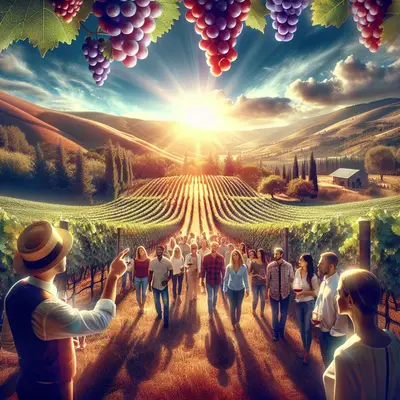
For those attuned to detail, the most profound “tasting” often happens before a cork is pulled. Walking the vineyard offers a privileged education: subtle shifts in slope, the stony crunch of the soil underfoot, the orientation of the rows, the density of planting, the way wind moves through the canopy. These quiet details explain more about the wine’s eventual character than a technical sheet ever could.
When arranging a visit, request a stroll through specific parcels rather than a generic overview. Ask to see the oldest vines, the sunniest slope, or the cooler, wind-exposed plots reserved for a particular cuvée. Notice the cover crops between rows, the presence of wildflowers or beneficial insects, and the spacing and height of the vine canopy—clues to how the estate balances vigor, ripeness, and freshness.
Enthusiasts will also appreciate tasting “at the source”: sampling grapes (in season), smelling the earth after a light rain, or comparing temperatures between a shaded and a sunlit block. These impressions remain in your mind when you later raise the glass, turning each sip into a vivid recall of place rather than an abstract flavor profile.
Exclusive Insight #2: Barrel Rooms as Archives of Time, Not Just Storage
The barrel cellar is often treated as a photogenic backdrop, yet to the informed visitor it is an archive of decisions—about oak, time, texture, and style. A premium tour will take you beyond the surface, inviting you to observe the nuances: the variety of barrel sizes, the mix of coopers, the proportion of new versus neutral oak, and even the humidity and temperature of the room itself.
Ask to taste the same wine from different barrels: a larger foudre versus a small barrique, or wine aged in new oak compared with second- or third-use barrels. This side-by-side tasting reveals how wood shapes not only aroma but also the tactile feel of the wine—its grain, its breadth on the palate, its sense of precision or plushness. For enthusiasts, these comparative tastings are often revelatory, showing that “oak influence” is not a monolith but a spectrum of subtle outcomes.
Look, too, for alternative vessels—concrete eggs, amphorae, larger casks. These choices reflect the estate’s philosophy on texture and purity. Engaging with the cellar in this way shifts the narrative from “this wine spent 12 months in oak” to a more nuanced understanding of how time and material intersect to refine what you ultimately taste.
Exclusive Insight #3: The Art of the Vertical Tasting—Reading a Winery’s Signature
Tasting across vintages of the same wine is one of the most privileged experiences a wine traveler can enjoy. A vertical tasting allows you to see beyond current fashion or immediate pleasure and instead perceive the estate’s deeper signature—the through-line that persists despite the changing moods of each year.
Request, where possible, a focused selection of three to five vintages of a flagship cuvée. Note what remains constant: the shape of the acidity, the quality of tannins, the core aromatics that seem to appear regardless of weather variations. These recurring traits are the estate’s true voice. Then observe how each vintage expresses the season: cooler years often showing higher tension and aromatic detail; warmer years revealing generosity, silkier structure, or darker fruit.
For those who collect, a vertical tasting is also a practical education in longevity. You begin to see when a wine enters its most expressive window, how it evolves aromatically, and how structure integrates over time. More importantly, the experience recalibrates your sense of value—not every wine needs decades, but those that can reward patience take on a different significance when you have personally tasted their evolution.
Exclusive Insight #4: Pairing Beyond the Plate—Regional Cuisine as a Lens on Terroir
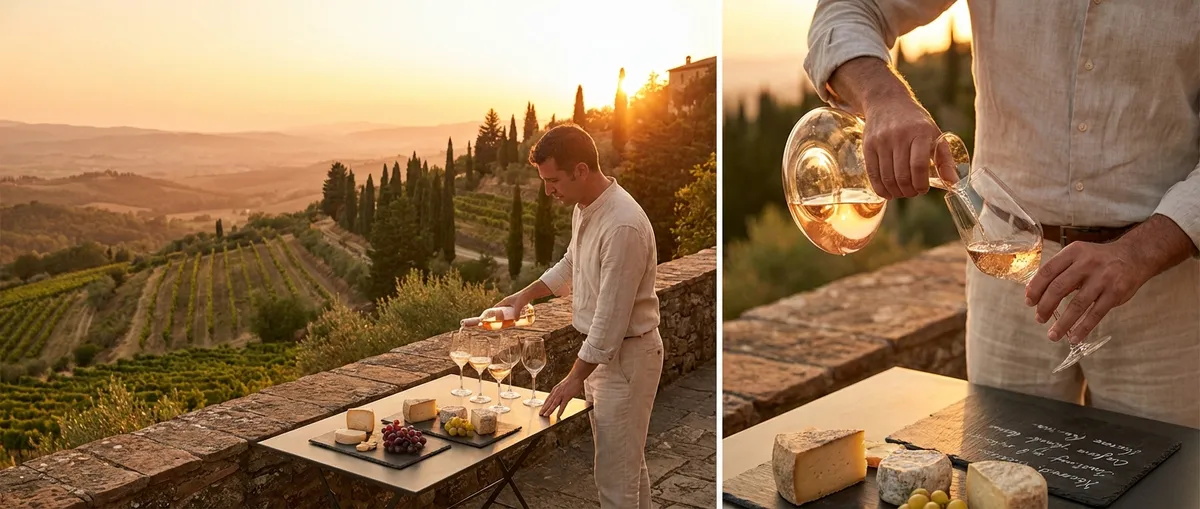
Food and wine pairing is often reduced to quick rules, yet at its most refined, it becomes an exploration of how a region understands its own flavors. Rather than defaulting to generic tasting-room snacks, seek winery experiences that involve the estate’s table: lunches in the vineyard, dishes prepared from local produce, or collaborations with regional chefs who cook specifically for the wines you are tasting.
Pay attention to the seasoning, texture, and temperature of the dishes—subtle calibrations that reveal how locals naturally highlight their wines’ strengths. In regions where high-acid whites dominate, you may find dishes with cream, brine, or herbal brightness to meet that tension. Where reds are structured and age-worthy, local cuisine often leans into slow-cooked, layered preparations with enough depth to engage the tannins without being overwhelmed.
For enthusiasts, this is where theory becomes visceral. The same wine you tasted “naked” in the cellar can feel transformed alongside a regional specialty. Take mental notes: which textures amplify freshness, which ingredients echo aromatics in the glass, which preparations dull or flatten the wine. These observations become a personal lexicon you can later apply at home, extending the tour long after you’ve returned.
Exclusive Insight #5: Reading the Unscripted Moments—The Human Signatures of an Estate
The distinction between a merely polished visit and a truly memorable one often lies in the unscripted, human details. For the attentive guest, these moments offer the most exclusive insight of all: the alignment (or dissonance) between the estate’s story and its lived reality.
Notice how the team speaks about the vineyard—collectively, with pride, or as an asset? Pay attention to whether sustainability practices are presented as marketing language or as an integrated, lived philosophy visible in the fields, winery operations, and community relationships. Observe the small gestures: a quick stop to greet vineyard workers by name, a spontaneous pause to taste a ferment mid-process, or the willingness to deviate from the standard script to follow your specific curiosity.
Ask questions that invite narrative rather than recitation: “What was the hardest decision you made this vintage?” or “Which change in the last decade made the biggest difference in your wines?” For enthusiasts, the answers to these questions often remain more vivid than any tasting note; they reveal not only how the wine is made, but why it is made this way. Over time, you will find yourself gravitating toward estates where the human and the sensory signatures are in harmony.
Conclusion
A sophisticated wine tour is not a checklist—it is a cultivated practice of paying attention. From the contours of a hillside to the grain of a tannin, from the quiet of a barrel room to the conviviality of a table, each element offers a thread in a larger tapestry of place, people, and time. Wine Tour Adventures is devoted to orchestrating these threads into experiences that feel both effortless and deeply considered, giving enthusiasts rare access to the details that truly matter.
As you plan your next journey into wine country, think beyond simple visits and toward layered encounters: walk the parcels, read the cellar, taste time in a vertical, dine with the region, and listen closely to the people who shape each vintage. In these refined particulars, the world of wine reveals its most enduring pleasures.
Sources
- [Wine Institute – Wine Country Travel & Touring](https://wineinstitute.org/our-industry/wine-country-travel-touring) – Overview of visiting wine regions and best practices for wine tourism in the U.S.
- [California Sustainable Winegrowing Alliance](https://www.sustainablewinegrowing.org/) – Insights into sustainability practices that discerning visitors can look for in vineyards and wineries.
- [Institute of Masters of Wine – Understanding Terroir](https://www.mastersofwine.org/understanding-terroir) – Educational perspective on how site, soil, and climate influence wine, underpinning the value of vineyard-focused visits.
- [UC Davis Department of Viticulture and Enology](https://wineserver.ucdavis.edu/industry-info/enology) – Technical background on winemaking and maturation, useful for appreciating cellar choices and barrel programs.
- [Wine Tourism Handbook – UNWTO & Great Wine Capitals](https://www.e-unwto.org/doi/book/10.18111/9789284419179) – International perspective on wine tourism trends and experiential best practices.
Key Takeaway
The most important thing to remember from this article is that this information can change how you think about Wine Tours.