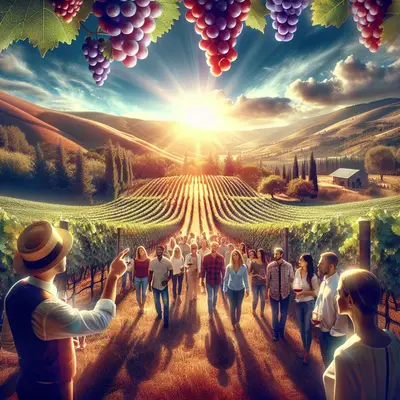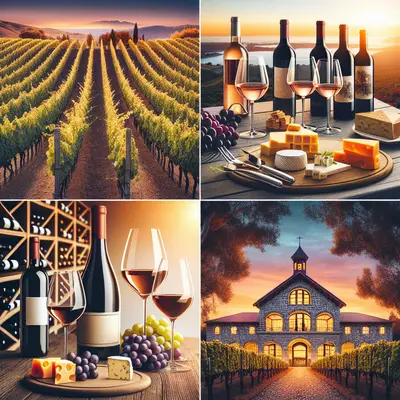
There is a particular kind of luxury that cannot be photographed: the quiet certainty that every detail has been considered long before you arrive. Exceptional wine tours inhabit this space—where landscapes, architecture, and meticulously crafted wines converge into a single, unhurried experience. For the traveler who seeks more than a checklist of famous estates, the modern vineyard visit becomes a curated journey through place, time, and taste.
The Vineyard as Atelier: Reading the Landscape Before the First Pour
Before the first swirl of the glass, the most discerning guests begin by “reading” the vineyard itself. A refined wine tour does not treat the vines as scenery; it treats them as the manuscript of the wine’s story.
Notice the orientation of the rows—are they chasing the morning light or surrendering to the afternoon sun? Look at the soils underfoot: pale limestone shards, iron-rich clay, or gravel that crunches like broken porcelain. Each texture under your shoes foreshadows structure, minerality, and tension in the glass.
Pay attention to spacing between vines and the presence (or absence) of cover crops. Tight spacing and carefully managed greenery often signal a producer deeply invested in controlling vigor and concentrating flavor. When your guide gestures toward a particular parcel, ask why that block is harvested earlier or later than its neighbor; timing decisions often define a house’s style far more than any marketing language.
The most rewarding tours encourage this observational curiosity. They invite you to see the vineyard as an atelier, where the winemaker is less a “creator” and more a custodian of place. By the time you step into the cellar, you are no longer a visitor; you are already part of the narrative unfolding in the glass.
Inside the Working Cellar: Where Precision Quietly Replaces Postcard Romance
A truly premium wine tour grants access not only to the polished tasting room, but to the working spaces where stainless steel, old oak, and technical choices quietly shape a wine’s identity.
In the fermentation room, the size and shape of tanks—slender stainless-steel cylinders, concrete eggs, or large neutral oak—reveal the estate’s priorities. Stainless steel often suggests a pursuit of purity and aromatic clarity; concrete, with its micro-oxygenation and thermal stability, hints at texture and nuance. Ask how long a wine spends on its lees, and whether batonnage (lees stirring) is used; these seemingly esoteric details directly translate to creaminess, breadth, and complexity in your glass.
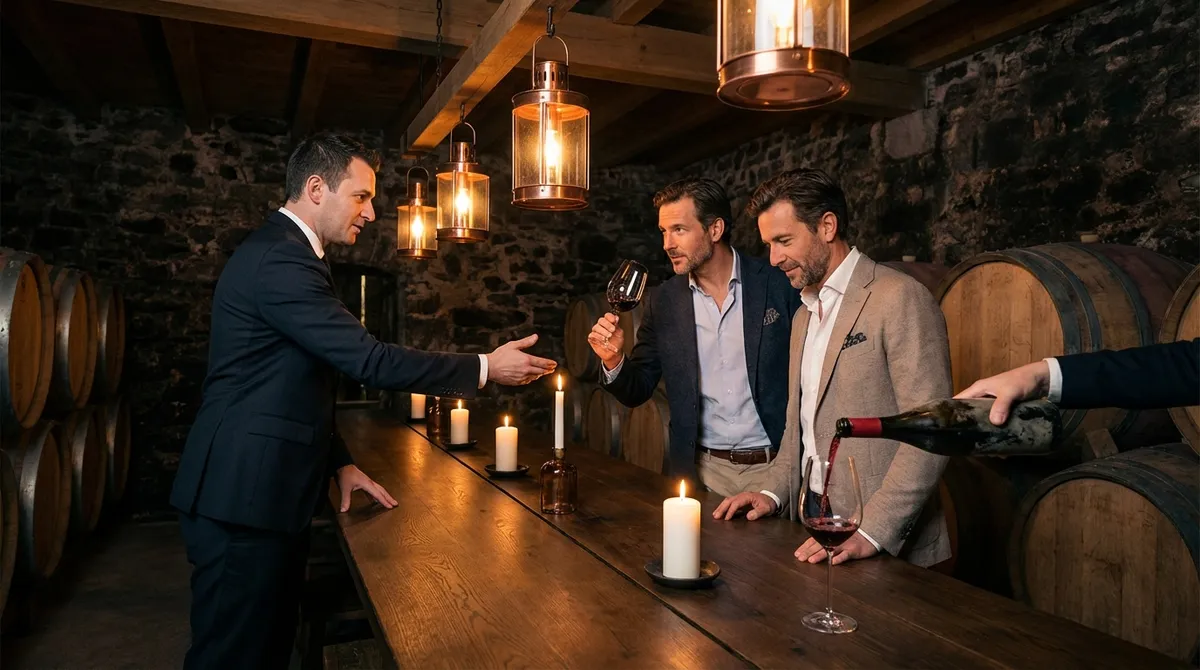
Barrel cellars in particular reward close study. Note the balance between new and seasoned oak, the provenance of the barrels—Allier, Tronçais, or American oak—and whether large-format casks or small barriques dominate. Estates willing to walk you through their coopering decisions are often equally transparent about their broader philosophy: restraint versus opulence, longevity versus early approachability.
The most memorable tours do not rush these conversations. Instead, they offer space for thoughtful questions, perhaps drawing you into a side-by-side tasting of the same wine raised in different vessels. In that quiet contrast, you begin to taste the decisions themselves, not merely the finished wine.
Five Insider Insights for the Devoted Wine Traveler
While most itineraries focus on famous names and postcard vistas, seasoned enthusiasts know that the most rewarding discoveries often lie in subtle choices and unexpected moments. These five insights, rarely highlighted on standard tours, can transform your next visit from pleasant to truly profound.
1. Time Your Visit to the Vineyard’s True Rhythm
The calendar date is less important than what is actually happening in the vineyard and cellar. Visiting during budbreak, véraison (when grapes change color), harvest, or the calm of winter each reveals a different aspect of the estate’s soul.
Late winter and early spring often offer the most intimate, thoughtful experiences. With fewer visitors and less urgency in the cellar, winemakers have more time to discuss plots, vintages, and long-term philosophy. Conversely, arriving during harvest brings exhilarating energy—but also a certain chaos. If you seek to understand decision-making under pressure, harvest can be revelatory; if you prefer unhurried conversation, shoulder seasons may be your quiet luxury.
Savvy travelers align their visits with specific questions: oak aging and blending decisions post-harvest, pruning approaches in late winter, or early assessments of a nascent vintage in spring. The estate’s rhythm becomes your guide, not the tourist high season.
2. Request Vertical Tastings, Not Just Flagship Bottles
Many visitors focus on tasting across a producer’s range—entry-level, mid-tier, and prestige cuvées. Insiders, however, know that tasting the same wine across multiple vintages (a vertical tasting) is far more illuminating.
A vertical reveals how a single terroir responds to changing weather patterns, evolving cellar techniques, and shifts in viticultural philosophy. In a few glasses, you might taste the arc from a cooler, restrained year to a ripe, sun-drenched vintage, and then to a more recent bottling that reflects new precision in the vineyard.
Not every estate can offer a formal vertical, but many will quietly open a second or older vintage if asked respectfully and in advance. This gesture transforms a visit from a standard tasting into a masterclass in evolution, age-worthiness, and the producer’s true craftsmanship over time.
3. Explore the “Silent” Wines: Whites, Rosés, and Experimental Lots
At red wine–centric estates, the most fascinating bottles are often those not featured on the main stage. The estate’s white wines, rosés, or small experimental cuvées can offer startling clarity about the winemaker’s sensibility.
A producer known for powerful reds may craft whites of exquisite delicacy and tension—revealing a different facet of their palate. Rosés, often dismissed as “summer wines,” can showcase precision in picking dates and gentle pressing, both critical skills for any fine wine.
Ask whether there are micro-vinifications, amphora lots, or late-harvest experiments not typically poured for the broader public. These tiny productions, sometimes poured only for industry or longtime clients, can be the most truthful expression of a winemaker’s curiosity and ambition.
4. Pay Attention to Glassware, Serving Temperature, and Pour Sequence
The choreography of the tasting itself reveals how seriously an estate treats its wines—and its guests. Discreetly noting the glass shapes chosen for different wines, the serving temperature, and the sequence in which bottles are poured can yield telling insights.
A meticulous estate will adjust glass styles for aromatic whites versus structured reds, will not hesitate to let a wine warm slightly in the glass, and will thoughtfully move from lighter, more delicate wines towards deeper, more structured cuvées without overwhelming your palate too early.
If the team volunteers to re-pour a wine after others, or encourages you to revisit the first glass toward the end of the tasting, accept. This is an invitation to notice how oxygen and context reshape your experience—insight that seasoned professionals rely on when assessing truly great bottles.
5. Ask About Aging Philosophy, Not Just “How Long It Lasts”
Instead of the predictable question—“How long can I keep this?”—devoted enthusiasts explore an estate’s deeper philosophy on aging. Do they craft wines for early pleasure, for twenty-year patience, or for a precise intersection of the two?
Pose questions such as: “At what age do you most enjoy this wine?” or “How does the texture change at 5, 10, and 15 years?” Producers who have tracked their wines across decades often light up at such inquiries, sharing stories of library tastings, surprising peaks, and vintages that evolved differently than expected.
When an estate offers access to older bottles during your visit—whether in the tasting flight or at a special lunch—treat it as the privilege it is. You are not merely tasting wine; you are tasting the estate’s memory, and its conviction that time will reward its choices.
Elevating the Journey: From Itinerary to Immersion
The most sophisticated wine tours feel less like excursions and more like elegantly orchestrated encounters—with people, places, and perspectives. Logistics still matter: thoughtful transportation, well-paced appointments, and time for lingering over a single glass in a sunlit courtyard all contribute to the sense of unhurried privilege.
But what ultimately distinguishes a truly elevated experience is intention. Choosing estates where the owners and winemakers are present, where the vineyard is treated as a living archive rather than a backdrop, and where the tasting is an invitation to dialogue rather than a scripted performance, transforms the journey.
By observing the vineyard as atelier, engaging with the realities of the working cellar, and embracing insider practices—from vertical tastings to thoughtful timing—you move beyond tourism into something more enduring: a cultivated relationship with the world’s most compelling wine regions and the people who shape them.
In this space, a wine tour ceases to be a day on the road and becomes instead a quiet education in beauty, patience, and place—one that continues long after the last bottle from the trip has been carefully, and memorably, poured.
Sources
- Wine Institute – World Wine Discoveries - Context on global wine regions and how place shapes style
- University of California, Davis – Viticulture and Enology - Educational perspective on vineyard management and winemaking choices
- Decanter – How to Plan a Wine Trip - Expert guidance on structuring sophisticated wine-focused travel
- GuildSomm – Cellar and Aging Fundamentals - In-depth exploration of wine aging philosophy and cellar decisions
- JancisRobinson.com – Vertical Tastings Explained - Detailed look at vertical tastings and what they reveal about producers and vintages
Key Takeaway
The most important thing to remember from this article is that this information can change how you think about Wine Tours.