The most memorable wine tours are rarely about volume or velocity. They are curated sequences of quiet revelations—of terroir, craftsmanship, and time—woven into an experience that feels both intimate and expansive. For discerning travelers, a wine tour is not a checklist of famous labels, but a finely tuned journey into the culture, rhythm, and philosophy of a region. The difference lies in the details: how you move through landscapes, how you meet winemakers, and how you engage with the glass in your hand. What follows are five exclusive insights designed for enthusiasts who seek more than a tasting flight—those who want their wine journeys to resonate long after the last sip.
1. Travel at the Pace of the Vineyard, Not the Itinerary
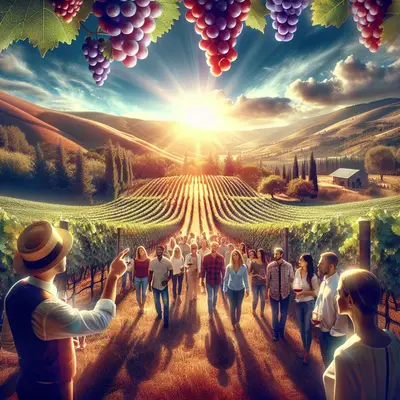
In premium wine regions, the true luxury is unhurried time. Vines do not rush—budbreak, flowering, veraison, and harvest unfold according to nature’s tempo. Aligning your visit with that pace transforms a standard tour into an immersive experience.
Begin by choosing fewer wineries and granting each one the space it deserves. Plan for a morning and an afternoon appointment, rather than stacking visits every hour. This allows for impromptu barrel tastings, a detour into the vineyard to taste grapes off the vine when in season, or a deeper conversation with the winemaker if they happen to be on site. Many top estates quietly offer extended, appointment-only experiences that are never advertised on large travel aggregators; these often include vertical tastings, private library selections, or vineyard walks with estate staff.
Moving more slowly also sharpens your perception. You’ll notice the temperature shift between sunlit rows and cool barrel rooms, the subtle change in aromas as you move from stainless steel to oak, the soundscape of a working cellar during harvest. This rhythm—unhurried, attentive, and deliberate—is the signature of refined wine travel.
2. Read the Vineyard Like a Map of the Wine
Serious enthusiasts understand that the most revealing part of a visit often unfolds before you enter the tasting room. The vineyard itself holds a quiet narrative: soil, exposure, vine age, and training methods all whisper clues about what is in the glass.
When you arrive at an estate, take a moment to orient yourself. Observe slope and aspect: Are the vines facing morning light or basking in afternoon heat? Note the density of planting—tightly spaced vines often suggest a focus on concentration and competition for resources. Look down: you may see limestone fragments, volcanic rock, sandy loam, or dense clay; each soil profile corresponds to distinct structural and aromatic signatures in the wine.
Ask thoughtful questions that signal genuine curiosity rather than superficial interest: How do they manage canopy to balance ripeness and freshness? Are they experimenting with cover crops or organic/biodynamic practices to enhance soil life? Do they pick based on sugar levels alone, or also on phenolic ripeness and seed maturity? These nuances go beyond marketing language and reveal the estate’s true philosophy. Over time, you’ll begin to connect what you see in the vineyard with what you taste, deepening your appreciation of each region’s identity.
3. Seek Appointments That Reveal the Winery’s Intellect, Not Just Its Aesthetic
Architecturally stunning wineries are increasingly common, but visual drama alone does not guarantee depth in the glass. For a truly elevated experience, look for visits that foreground the estate’s thinking—its choices, trade-offs, and long-term vision—rather than just offering a polished tour of tanks and barrels.
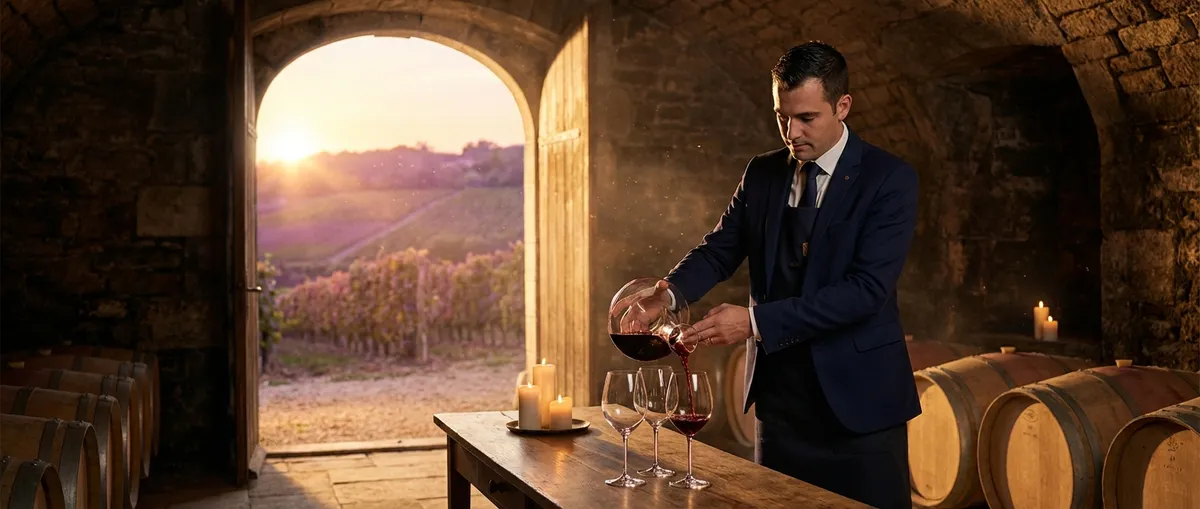
When arranging appointments, pay attention to the level of engagement on offer. Some properties host intimate seated tastings guided by a senior educator or member of the winemaking team, often in a quiet space away from the main crowd. Others curate comparative experiences—such as tasting the same grape from multiple parcels, or the same cuvée across multiple vintages—that reveal the estate’s intellectual backbone.
During the visit, ask about difficult years, not just the celebrated ones. How did they adapt in a vintage with excessive heat, unexpected rain, or frost? How do they balance the expectations of loyal clients with their own curiosity to experiment? Wineries willing to share these challenges tend to approach their craft with seriousness and humility. You’ll leave not only with tasting notes, but with a deeper sense of the estate as a living, evolving project rather than a static brand.
4. Treat Food Pairings as a Lens, Not an Accessory
Food is not merely an accompaniment to wine; it is a powerful interpretive tool. The most rewarding tours treat culinary pairings as a way to explore dimension, contrast, and texture rather than simply offering a cheese plate for comfort.
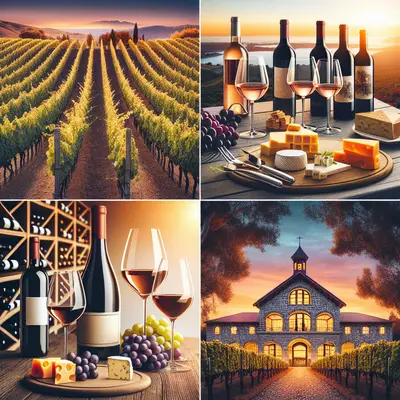
Seek out experiences where the estate collaborates with a skilled chef, local artisan, or culinary partner to design pairings that echo the region’s character. A structured tasting that moves from raw-milk cheeses to cured meats, then to seasonal produce, can illuminate how tannin, acidity, and aromatic intensity respond to different textures and flavors. You might notice how a high-acid white wine energizes a delicate seafood crudo but becomes almost honeyed alongside aged cheese; or how a structured red seems firm alone but softens beautifully with a slow-braised dish.
Ask about traditional regional pairings and why they endure. In many classic wine regions, local cuisine evolved in tandem with local wines over centuries, creating naturally harmonious combinations that reveal both at their best. Understanding these pairings turns your tour into a cultural exploration—one that you can later reinterpret at home with thoughtful menus and cellar selections inspired by your journey.
5. Collect Experiences, Not Just Bottles
It can be tempting to treat a wine tour as an extended shopping trip, especially when visiting prestigious regions. Yet for seasoned enthusiasts, the most meaningful souvenirs are often intangible: stories, friendships, and the confidence to navigate future wine choices with greater nuance.
Consider allocating your budget not only to bottles, but also to unique experiences that deepen your understanding. This might include a blending workshop under the guidance of the winemaker, an early-morning vineyard visit during harvest, or a comparative tasting of older vintages from the estate’s library. These encounters sharpen your palate and anchor specific wines to powerful memories, making each later bottle feel like a return visit rather than a simple transaction.
When you do purchase, think in terms of narratives: a trio from a single vineyard across three vintages; a set that contrasts different parcels or elevations; or a mixed case that tells the story of an entire appellation. Then, back home, recreate fragments of your tour for friends—candlelight, thoughtful glassware, a curated playlist, and a brief story about the people and places behind each bottle. In this way, your wine tour continues to unfold over years, each shared bottle becoming a new chapter in an ongoing adventure.
Conclusion
Refined wine touring is less about access to famous names and more about the sophistication of your approach. By traveling at the vineyard’s pace, reading the landscape as carefully as the label, seeking intellectually engaged appointments, treating food as a serious interpretive partner, and prioritizing meaningful experiences over sheer acquisition, you transform your journey into something enduring. The glass becomes a medium through which place, time, and craftsmanship converse. For those who care not only about what they drink, but how they discover it, this is where the true luxury of wine travel begins.
Sources
- [Wine Institute – California Wine Country Visitor Information](https://wineinstitute.org/our-industry/visiting-wine-country/) - Offers background on visiting wine regions and considerations for planning refined winery experiences
- [Napa Valley Vintners – How to Visit Wineries](https://napavalley.wine/plan/how-to-visit-wineries/) - Provides guidance on appointments, pacing, and etiquette when touring premium wineries
- [Bordeaux Wine Council (CIVB) – Discovering Bordeaux Vineyards](https://www.bordeaux.com/us/Our-Terroirs/Discover-the-vineyards) - Explains terroir, vineyard factors, and regional structures that inform elevated wine travel
- [Institute of Masters of Wine – What Is Terroir?](https://www.mastersofwine.org/what-is-terroir) - A technical yet accessible exploration of terroir, helpful for understanding vineyard-driven insights during tours
- [University of California, Davis – Viticulture and Enology Extension](https://wineserver.ucdavis.edu/industry-info/enology) - Educational resources on vineyard and winemaking practices that underpin the intellectual side of winery visits
Key Takeaway
The most important thing to remember from this article is that this information can change how you think about Wine Tours.