There is a moment, just after you step out of the car and before you take your first sip, when a vineyard visit begins to reveal its character. The air carries a particular tension of soil, foliage, and promise; vines form quiet corridors of possibility. For discerning wine enthusiasts, these visits are no longer about ticking off famous labels but about seeking rare depth—of craft, of place, of experience. This is the realm where vineyard visits become curated encounters rather than simple tastings, where each detail is intentional and every glass reflects a wider story.
The Vineyard as a Lens: Reading the Landscape, Not Just the Label
A premium vineyard visit begins long before you enter the tasting room. It starts in the rows—where the orientation of the vines, the slope, and even the ground beneath your feet reveal more than any back-label description. Pay attention to how the vineyards are planted: Are the rows aligned to capture morning sun or to moderate afternoon heat? Are the slopes gentle or steep, terraced or free-flowing?
Walk slowly and notice the soils underfoot. Limestone and chalk often signal potential for tension and minerality in white wines; gravel and well-drained, stony soils suggest elegance and structure for reds. If the estate allows, ask to see the difference between blocks: older vines versus young plantings, cooler parcels against warmer exposures. The most serious properties will speak of specific plots, not just “the vineyard,” and this precision is often mirrored in the glass. Treat the landscape as a living library: every contour a chapter, every row a line of text.
Behind the Quiet Details: Subtle Signals of True Craft
The most refined wine estates rarely shout their quality; they whisper it in details that reward close attention. Observe the glassware—are you served in thoughtfully chosen stemware suited to varietal and style, or in generic tasting glasses? Consider the pacing—are you rushed through a fixed flight, or guided gently, with time for reflection and conversation?
Notice how the team talks about the wines. Do they default to generic descriptors, or do they speak of vintages, parcels, and evolving styles with nuance? Look at the cellar: tidy, temperature-stable, with barrels clearly labeled by vintage and parcel, suggests disciplined commitment. Even the way open bottles are handled—properly stored between pours, temperatures checked rather than assumed—signals a house that treats each wine as a living, evolving creation rather than a commodity.
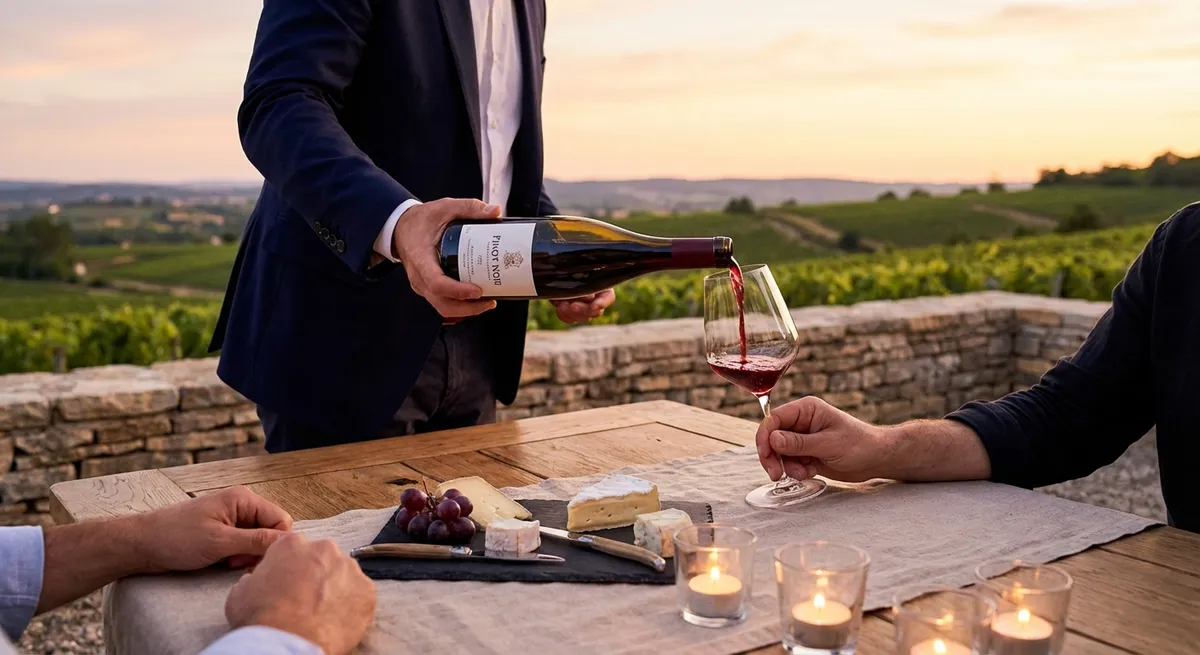
Exquisite service at a top vineyard is discreet rather than ostentatious. Staff anticipate needs without hovering, adjust explanations to your level of knowledge, and honor both silence and curiosity. These are the intangible markers of a producer that understands hospitality as an extension of winemaking philosophy.
Five Exclusive Insights for the Attentive Wine Enthusiast
Discerning travelers often sense that there is “more” happening during a vineyard visit but may not know exactly what to look for. These five insights can transform an enjoyable outing into an experience of rare clarity and depth.
1. Vertical Tastings Reveal the Estate’s True Voice
Whenever possible, prioritize experiences that include multiple vintages of the same wine. A vertical tasting—tasting the same cuvée across several years—allows you to see beyond current trends and marketing to the fundamental character of the estate.
Watch for consistency of structure and style across vintages. Does the wine maintain a recognizable signature even as weather conditions change? Estates with a strong, coherent identity will show a continuous thread: similar texture, recurring aromatics, a familiar architecture of acidity and tannin. This is often a far more reliable indicator of quality than a single “great” year.
2. Single-Parcel and Micro-Cuvées Are the Estate’s Quiet Confession
If an estate bottles small-production, single-parcel wines or special micro-cuvées available only on-site, treat these as a confidential conversation with the winemaker. These bottlings often represent the most transparent expression of place and philosophy.
Ask which plots the winemaker is personally most attached to, and why. What did they choose not to blend away? Micro-cuvées may come from old vines, challenging slopes, or marginal parcels that require extraordinary work but deliver remarkable character. Tasting them is like stepping backstage at a theater: you see the craft, the risk, and the nuance often hidden in broader blends.
3. Fermentation Choices Tell You How the Estate Thinks
Subtle discussions around fermentation can reveal more about a winery’s priorities than any marketing narrative. Ask gentle, specific questions: stainless steel or oak? Indigenous yeasts or selected strains? Whole-cluster or destemmed? Extended maceration or a lighter touch?
There is no single “correct” answer, but the key is coherence. A thoughtful estate can explain the “why” behind each choice—how those methods serve their vision of balance, longevity, and elegance. The best properties are neither blindly traditional nor slavishly modern; instead, they employ technique as a precise instrument, not a trend.
4. Barrel Rooms and Aging Philosophy Signal Long-Term Ambition
The barrel room is more than a photo opportunity; it is a window into how seriously a winery takes time. Notice the average age of barrels, the proportion of new oak, and whether different parcels mature separately before blending. Ask how long the wines typically rest before release, and whether the estate holds back older vintages in its library.
Producers focused on longevity will speak in decades, not just tasting-room impressions. They often maintain a disciplined approach to élevage—controlling oxygen exposure, racking schedules, and bottling dates with precision. A winery that is willing to forgo short-term sales for the sake of optimal release timing is one that frames wine not as a product, but as a patient, evolving narrative.
5. Harvest Stories Reveal the House’s True Character
When conversations turn to harvest, listen closely. Here, the façade often falls away, and you glimpse the emotional core of the estate. Ask about a challenging vintage: late rains, heat spikes, frost. How did they respond? Did they reduce yields, harvest at night, triage rigorously at the sorting table?
Hearing how the team navigates difficulty tells you more about their values than any perfect year. Do they speak of compromise or of resilience? Of shortcuts, or of painful decisions that protected quality at the expense of volume? The most compelling wineries will recount harvests as defining chapters—moments when conviction, not convenience, guided each choice.
Designing a Visit That Honors Both Place and Time
An elevated vineyard visit is not accidental; it is curated with the same intention you would bring to a fine dining experience. Begin by researching your chosen estate’s strengths: are they known for a particular grape, style, or vineyard parcel? Build your expectations around those specialties rather than insisting on a generic “taste everything” approach.
Schedule visits with ample time between appointments; the most rewarding moments often arise in unhurried conversations or spontaneous walks in the vines. Consider arranging a focused tasting—vertical, single-parcel, or theme-based—rather than a broad, introductory flight. If available, pair your visit with a vineyard tour guided by someone involved in viticulture, not only in hospitality; their view of the estate will be rooted in the daily realities of the land.
Finally, take notes—not only on flavors and aromas, but on tone, philosophy, and small details of practice. Premium vineyards invest extraordinary care in the unseen; your role as a thoughtful visitor is to notice, absorb, and carry those insights forward into how you taste, collect, and share wine.
Conclusion
The true luxury of a vineyard visit lies not in opulence, but in depth. It is in the ability to read the rows as carefully as the label, to sense the winemaker’s philosophy in the structure of a wine, and to recognize that each glass you lift is the distilled result of soil, weather, courage, and time. For those willing to look beyond the obvious—beyond the view, beyond the reputation, beyond the quick pour—vineyard visits become something more than outings. They become finely tuned encounters with places and people whose work reveals itself most fully to the observant palate.
Sources
- Institute of Masters of Wine – Understanding Terroir – Explores how soil, climate, and topography shape wine style and quality
- University of California, Davis – Wine Production Overview – Technical yet accessible explanation of fermentation, aging, and winemaking choices
- Wine & Spirit Education Trust (WSET) – How Climate Affects Wine – Insight into climate and vintage variation, invaluable when evaluating estates across multiple years
- Decanter – What is a Vertical Tasting? – Clear definition and guidance on why vertical tastings matter to serious enthusiasts
- Bordeaux Wine Council (CIVB) – From Vine to Wine – Detailed look at vineyard practices, harvest decisions, and cellar work in a classic region
Key Takeaway
The most important thing to remember from this article is that this information can change how you think about Vineyard Visits.