Wine travel, at its finest, is less about ticking estates off a list and more about orchestrating a series of quietly extraordinary moments. For the discerning enthusiast, a wine tour should feel like a curated journey—measured, sensorial, and deeply rooted in place—rather than a hurried procession of tastings. When approached with intention, each visit becomes an intimate conversation with a landscape, a culture, and a philosophy of craftsmanship.
Below are five exclusive insights to help transform your next wine tour from a pleasant escape into a truly elevated, collector‑worthy experience.
1. Curating by Philosophy, Not Just by Region
Most travelers begin by choosing a region—Bordeaux, Napa, Barossa, Tuscany—and then filling their itineraries with whatever wineries still have availability. A more refined approach is to curate by winemaking philosophy first, and geography second.
Seek producers whose values resonate with your own: minimal intervention, organic or biodynamic viticulture, single‑vineyard expressions, or an obsession with long élevage (extended aging). When you select wineries around shared principles rather than proximity, each visit reinforces a narrative—your narrative—of what great wine means.
Before you book, read deeply: cellar notes, vineyard maps, and technical sheets often reveal more than marketing copy. Look for estates that speak specifically about soil composition, clonal selections, canopy management, or barrel cooperage. These details signal intentionality. Aligning your itinerary this way ensures that your day unfolds like a masterclass in a particular style or philosophy, rather than a disjointed sampling of whatever happens to be nearby.
2. Engineering the Tasting Arc: From Morning Light to Cellar Shadows
The time of day you taste has a profound impact on your experience, yet it is often treated as an afterthought. A sophisticated wine tour is engineered like a tasting menu, with light and energy carefully choreographed.
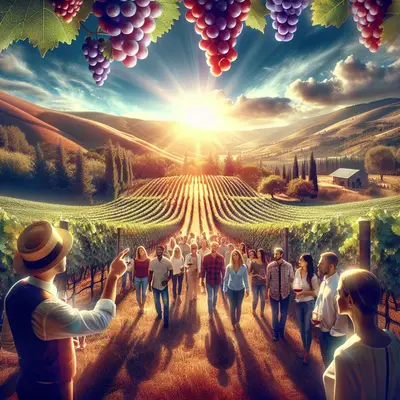
Begin with the most delicate wines—often whites, sparkling, or lighter reds—in the late morning when your palate is fresh and the air is cool. This is the ideal moment for high‑acid, mineral‑driven bottlings, where subtle aromatics and tension can be fully appreciated. Arrange for a walk through the vineyards during this first visit; the interplay of morning light, soil underfoot, and the first glass sets the tone for the day.
Reserve structured reds, library releases, or barrel samples for mid‑afternoon, ideally within the cool of a cellar. Here, your senses are already engaged, and you can better contextualize tannic architecture, aging potential, and the influence of oak. If possible, end with a contemplative tasting—perhaps a single‑vineyard comparative flight or older vintages tasted quietly with the winemaker—rather than a crowded, upbeat venue. This progression from light to shadow, from freshness to depth, creates an arc that lingers long after the day ends.
3. Requesting Access: Private Moments That Transform a Visit
Most wineries offer polished, public‑facing experiences. The truly memorable visits, however, unfold behind the scenes—often unlocked simply by asking the right questions in advance and demonstrating genuine interest.
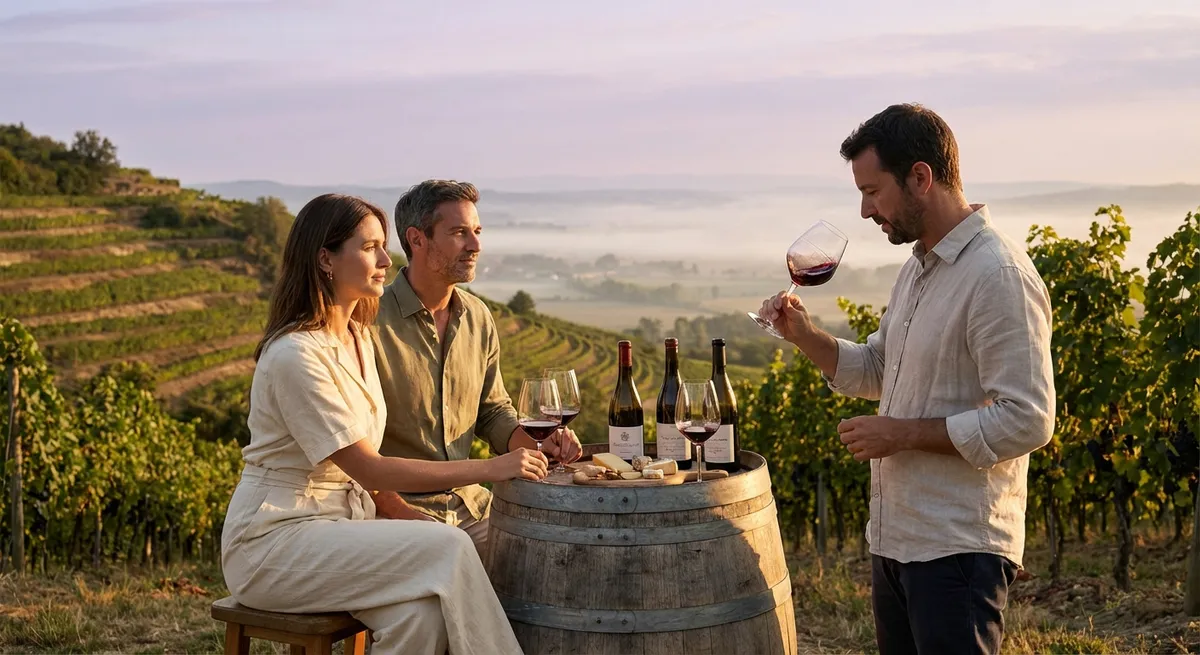
When booking, express a specific curiosity: barrel selection trials, concrete versus oak fermentation, amphora aging, or comparative tastings of different clones or parcels. Producers are far more likely to open their private world when they sense you are there to understand, not just to drink. Ask if there is an opportunity to taste from a single block in the vineyard, compare different press fractions, or revisit a wine that has just been racked.
Be precise but flexible: instead of requesting a “special tasting,” ask whether you might explore “a side‑by‑side of your valley‑floor and hillside parcels” or “a look at how whole‑cluster fermentation changes the aromatic profile.” These requests reveal a thoughtful palate and frequently lead to experiences not listed on any website—quiet bench tastings among the vines, spontaneous barrel samples, or conversations that drift into the philosophy of risk, patience, and restraint in the cellar.
4. Pairing Regional Cuisine with Micro‑Terroirs, Not Just Varietals
Food and wine pairing is often reduced to simplistic formulas—“red with red meat, white with fish.” On a sophisticated wine tour, the aim is not merely to match varietal with dish, but to align micro‑terroir with regional cuisine in ways that reveal nuance and origin.
Before your trip, study the traditional dishes of the region and how they evolved alongside local wines: Tuscan bistecca and Sangiovese’s vibrant acidity, Provençal seafood with rosé and saline‑kissed whites, or the interplay of rich cuisine and high‑acid reds in Burgundy. Then, go a step further by connecting specific sub‑regions or vineyard sites to particular preparations. A high‑altitude, wind‑swept site might pair beautifully with dishes that emphasize freshness and herbal notes, while a warmer, clay‑rich parcel could stand up to deeper reductions and roasted flavors.
Whenever possible, choose wineries that collaborate with local chefs, offering estate lunches or curated bites alongside their wines. Pay attention to texture—how a wine’s tannins respond to the fat content of a dish, how salt coaxes hidden layers of fruit or minerality, how gentle bitterness in greens or olive oil echoes oak or whole‑cluster spice. This level of observation unlocks a more sophisticated, almost architectural way of thinking about pairing—one that you can later apply to your own cellar at home.
5. Capturing the Invisible: How to Document a Wine Tour Like a Connoisseur
Most travelers come home with photos of vineyards at sunset and clinking glasses. The connoisseur’s documentation is quieter, more precise, and infinitely more valuable over time.
Rather than photographing everything, curate with intention: a soil profile in a freshly cut bank, a close‑up of a pruning cut, the label beside the vineyard block it came from, the hue of a wine in natural light rather than under tasting‑room bulbs. Take concise, sensory notes—not just “blackberry and spice,” but details like the shape of the tannins (powdery, filament‑like, angular), the pace at which the wine opens in the glass, or the way acidity feels (linear, vertical, mouthwatering, or delicately gliding).
Record conversations with permission, or note down exact phrases winemakers use when they talk about risk, time, and restraint. Over years, these fragments form a private atlas of your palate’s evolution. When you revisit a producer’s wines from afar, these records allow you to taste not only the vintage, but the memory of the place, the season, and the people who shaped it.
Conclusion
A wine tour worthy of the most devoted enthusiast is not defined by how many wineries you visit, but by the depth and coherence of the experiences you collect. By curating around philosophy, choreographing your tasting arc, seeking private access, pairing food with micro‑terroirs, and documenting with connoisseur‑level precision, you transform travel into an ongoing dialogue with the world’s great vineyards.
In this elevated approach, every glass becomes more than a pour; it becomes a chapter in a personal, ever‑evolving story of taste.
Sources
- Wine Institute: World Wine Tourism Overview - Provides context on global wine tourism trends and the growth of wine travel experiences
- Napa Valley Vintners – Visit Napa Valley Wineries - Offers examples of different types of winery visits and experiences available in a premier region
- Consorzio Vino Chianti Classico – The Territory - Detailed insight into micro‑terroirs, traditional cuisine, and how regional identity shapes wine styles
- Burgundy Wine Board (BIVB) – Climats and Terroir - Explains the concept of climats and micro‑terroir, key to sophisticated regional wine understanding
- UC Davis Department of Viticulture & Enology - Educational resource on viticulture and enology practices, supporting the technical aspects discussed in the article
Key Takeaway
The most important thing to remember from this article is that this information can change how you think about Wine Tours.