Some vineyard visits feel pleasant; a rare few feel transformative. The difference is seldom about price or spectacle. It is found in the quiet choreography of place, people, and time—those subtle decisions that turn a simple tasting into an enduring memory. For the discerning traveler, understanding how to read a vineyard, how to move through it, and how to converse within it can elevate every moment on the estate.
This is an invitation to approach vineyard visits with greater intention—five exclusive insights that serious wine enthusiasts quietly share among themselves, each one designed to refine how you experience the vineyard, not merely what you drink in the glass.
Reading the Landscape: Learning the Vineyard’s “Accent”
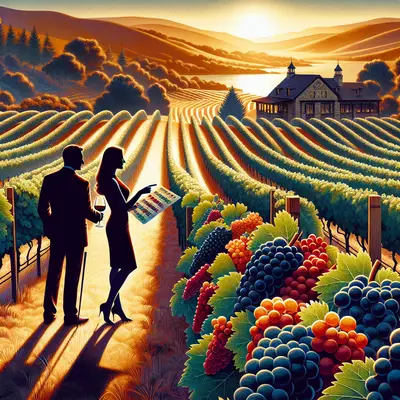
Every vineyard has a visual language, and learning to “read” it is one of the great pleasures of a refined visit. Before stepping into the tasting room, pause and study the hills, the row orientation, the spacing of vines, and the way light falls across the slopes. Take note of where the sun hits hardest, where the shadows collect, and how wind moves through the canopy; these clues reveal as much as any tasting note about why a wine tastes the way it does.
Ask the team about soil variations within the property—where the vines struggle, where they thrive, and which parcels rarely see the public eye. You may find that a certain block facing the late afternoon sun gives the backbone to their flagship wine, or that a rocky corner of the estate quietly produces their most nuanced fruit. By observing and inquiring about these details, you move from passive visitor to informed interlocutor, able to taste not only “red fruit” or “minerality,” but the precise vineyard accent that defines the estate.
The Quiet Power of Timing: Selecting the Moment, Not Just the Place
Sophisticated travelers know that when you visit can be more decisive than where you visit. A vineyard at 10 a.m. in early autumn offers a different emotional and sensory register than the same property at dusk in high summer. Morning tastings can reveal a wine’s structure and brightness with more clarity, while late-afternoon visits envelop the estate in golden light that softens both the view and the palate.
If possible, plan a visit outside peak hours, when the tasting room exudes a quieter rhythm and staff can share deeper insights without haste. Ask whether the estate offers “winemaker’s hours” or early-access appointments, when those working in the cellar may be more available. Consider traveling in shoulder seasons—just before or after harvest—when vineyards are less crowded, but the vines still express the drama of the growing year. The reward is an experience in which you are not rushed through a flight, but escorted through a moment in the vineyard’s life.
Cultivated Curiosity: Asking the Questions Insiders Ask
Elite wine lovers distinguish themselves less by what they know than by what they choose to ask. Move beyond the standard “What’s your most popular wine?” and instead explore questions that invite meaningful dialogue and generous storytelling. Inquire how the estate defines a successful vintage—not only in ratings, but in how faithfully the wines express the year’s conditions. Ask which parcel or cuvée is most misunderstood, and why.
You might explore how they decide when to pick, how they think about canopy management, or how climate shifts are reshaping their long-term plans. These questions do not need technical expertise; they only require genuine interest. Many winemakers and vineyard managers welcome guests who approach with thoughtful curiosity rather than scripted enthusiasm. In response, they may open older vintages, share experimental bottlings, or walk you to a block never featured on the standard tour. Curiosity, expressed with restraint and respect, is often the quiet key that unlocks the most exclusive experiences.
Textures of Hospitality: Sensing the Invisible Details
In truly premium wine tourism, luxury is rarely loud. It is recognized instead in textures: the weight of the glassware, the acoustics of the tasting room, the pacing of each pour, the calm assurance with which staff handle preferences and constraints. Observe how the estate structures the arc of your tasting—do they begin with a wine that feels like an introduction, a handshake, before gradually guiding you toward deeper expressions? Is there a considered progression in glass shape or temperature as you move through the flight?
Notice how information is offered: are you being recited a script, or invited into a conversation tailored to your level of knowledge? The most refined experiences are neither intimidating nor oversimplified; they adapt in real time. A truly thoughtful property might adjust pour sizes when they sense your interest in detail, offer a discreet spittoon without comment, or quietly refresh your glassware between contrasting wines. These gestures may be subtle, but they are the hallmarks of a house that understands hospitality as an art form akin to winemaking itself.
Carrying the Vineyard Home: Building an Intentional Private Ritual
The most exquisite vineyard visits do not end at the estate gates; they continue at home, in the way you choose to open and share the bottles you’ve collected. Instead of letting them disappear into a crowded cellar, create a deliberate ritual that honors the origin of each wine. Note down not just technical details, but sensory memories: the afternoon wind in the vines, the sound of gravel underfoot, the conversation that accompanied the tasting.
When you eventually open a bottle from that visit, recreate a fragment of the setting—perhaps by serving it at a similar time of day, pairing it with a dish inspired by the region, or sharing it with the same friends who traveled with you. Consider decanting earlier than usual and tasting a small sip at intervals, recalling how the wine once evolved in the glass at the estate. In doing so, you transform each bottle from a mere souvenir into a vessel of experience, allowing the vineyard visit to unfold in chapters across years, rather than in a single afternoon.
Conclusion
A vineyard visit, at its most refined, is an exercise in attention: to landscape, to timing, to conversation, to invisible gestures of hospitality, and to the way these impressions linger in the wines you bring home. By approaching estates with this heightened awareness, you turn each journey into something more than a series of tastings—you cultivate a personal, evolving relationship with the places that create the wines you love. In that relationship lies the true luxury: an experience that cannot simply be booked, but must be earned through curiosity, sensitivity, and a willingness to listen to what the vineyard quietly reveals.
Sources
- Wine Institute – California Wine Country Facts – Overview of vineyard regions, climate, and characteristics that shape wine experiences
- UC Davis Viticulture & Enology – Educational resource on vineyard management, winemaking decisions, and how they influence wine style
- Cornell University – Terroir and the Importance of Vineyard Site – Explores how site, soil, and climate imprint themselves on wine
- Decanter – How to Taste Wine Like a Professional – Professional guidance on tasting structure, progression, and sensory awareness
- Napa Valley Vintners – Visit Napa Valley Wineries – Reference for understanding visitation styles, appointments, and evolving hospitality standards in a major wine region
Key Takeaway
The most important thing to remember from this article is that this information can change how you think about Vineyard Visits.