There is a moment, just as you step from the gravel drive onto vineyard soil, when the noise of everyday urgency falls away. In its place comes a quieter rhythm—wind threading through trellises, distant clink of glass in the cellar, the soft hum of fermenting must. For the discerning traveler, a vineyard visit is no longer a casual tasting at the bar; it is a finely tuned encounter with place, time, and craft. At Wine Tour Adventures, we consider vineyard visits as choreographed experiences designed not merely to pour wine, but to reveal a philosophy in the glass.
The Architecture of Terroir: Reading a Vineyard Like a Text
To the trained eye, a vineyard is as legible as a manuscript. Row orientation, canopy height, soil exposure, and even the spacing between vines are deliberate choices—each one a sentence in the story of the wine you will eventually taste.
A sophisticated visit begins before a single sip is poured, with an attentive walk among the vines. Notice the soil: is it pale limestone, dark volcanic basalt, or a complex mosaic of clay and gravel? The temperature underfoot, the scent of the earth, and the way light falls across the rows all influence ripening and aromatic profile. Hillside parcels, for example, often yield smaller, more concentrated berries due to drainage and stress, while valley-floor plots can produce wines with generosity and plush texture.
Engaging directly with vineyard architecture allows you to understand why a particular Chardonnay speaks in tones of chalk and citrus, while the neighboring parcel whispers of stone fruit and brioche. The vineyard ceases to be a backdrop and becomes a primary character in your tasting narrative.
Exclusive Insight #1: Ask to compare wines from distinct parcels within the same estate—different slopes, soil types, or exposures. Tasting them side by side on the land where they were grown sharpens your palate to the nuances of terroir in a way no tasting room alone can achieve.
The Quiet Science Behind Elegance: Precision in the Cellar
Behind the romance of the vineyard lies a world of meticulous, almost surgical precision. For the refined enthusiast, understanding these details deepens appreciation far beyond varietal and vintage.
Temperature-controlled fermentations, carefully selected yeast strains (indigenous or cultivated), and the choice between stainless steel, concrete, or oak vessels all shape a wine’s final silhouette. Gentle extraction techniques during red wine fermentation can mean the difference between a wine of brooding heft and one of tensile, fine-boned structure. Extended lees contact, bâtonnage, and micro-oxygenation are not arcane jargon but tools that modulate texture, aromatic complexity, and age-worthiness.
Observing these processes in situ—watching a winemaker handle a sample thief in the barrel room, or monitoring fermentations by taste rather than metrics alone—reveals the understated interplay of art and science that defines great wine.
Exclusive Insight #2: When visiting, request a comparative tasting of the same wine at different élevage stages—tank sample, early barrel, and finished bottle. Experiencing its evolution illuminates the craftsmanship behind balance and refinement.
Orchestrating Time: Visiting With the Seasons in Mind
A truly elevated vineyard experience is as much about timing as it is about place. Each season offers a distinct lens through which to view the same landscape, and choosing your moment becomes an exercise in curating your own narrative.
In early spring, the vineyard is a study in potential: budbreak, delicate shoots, the hum of preparation. Summer offers full canopy, veraison, and the chance to understand canopy management and yield control firsthand. Harvest—intense, aromatic, kinetic—is the heartbeat of the wine year, when decisions about picking dates and sorting quality are made hour by hour. Winter, stark and contemplative, reveals the structure of the vines and the discipline of pruning, setting the tone for the next vintage.
Scheduling your visit with seasonal intent adds a layer of meaning. You are not merely touring a property; you are stepping into a particular chapter of its annual cycle.
Exclusive Insight #3: Plan repeat visits to a favored estate in different seasons and keep a journal of sensory impressions—aromas in the vineyard, textures in the wines, and the mood of the place. Over time, you’ll develop a uniquely personal “calendar” of that estate’s character.
The Art of the Elevated Tasting: From Flight to Conversation
An exemplary vineyard visit moves beyond the standard tasting flight into something closer to a dialogue. The aim is not to rush through as many wines as possible, but to give each glass the attention that a hand-written letter deserves.
Consider the sequence of wines as a carefully composed arc: sparkling to awaken the palate, whites that trace a line from tension to texture, reds that ascend in structure and complexity, and perhaps a contemplative sweet or fortified wine as coda. Glassware matters; the best estates now employ stemware chosen specifically for varietal expression, transforming a good wine into a revelatory one through shape and proportion.
Pacing is essential. Silence between sips, revisiting earlier wines after your palate has adjusted, and tasting with minimal external aroma interference (strong perfumes, busy crowds) preserves nuance. The most refined experiences often involve seated, hosted tastings, where your guide knows when to speak—and when to allow the wine to do the talking.
Exclusive Insight #4: Whenever possible, opt for a focused, thematic tasting—single-vineyard comparisons, verticals of the same wine across multiple vintages, or explorations of one grape in different winemaking styles. These curated flights train your palate in ways a general line-up simply cannot.
Beyond the Label: Immersive Pairings, Culture, and Sense of Place
The finest vineyard visits recognize that wine does not exist in isolation; it is inseparable from local foodways, culture, and landscape. Pairings on-site, when thoughtfully executed, minimize distraction and amplify clarity.
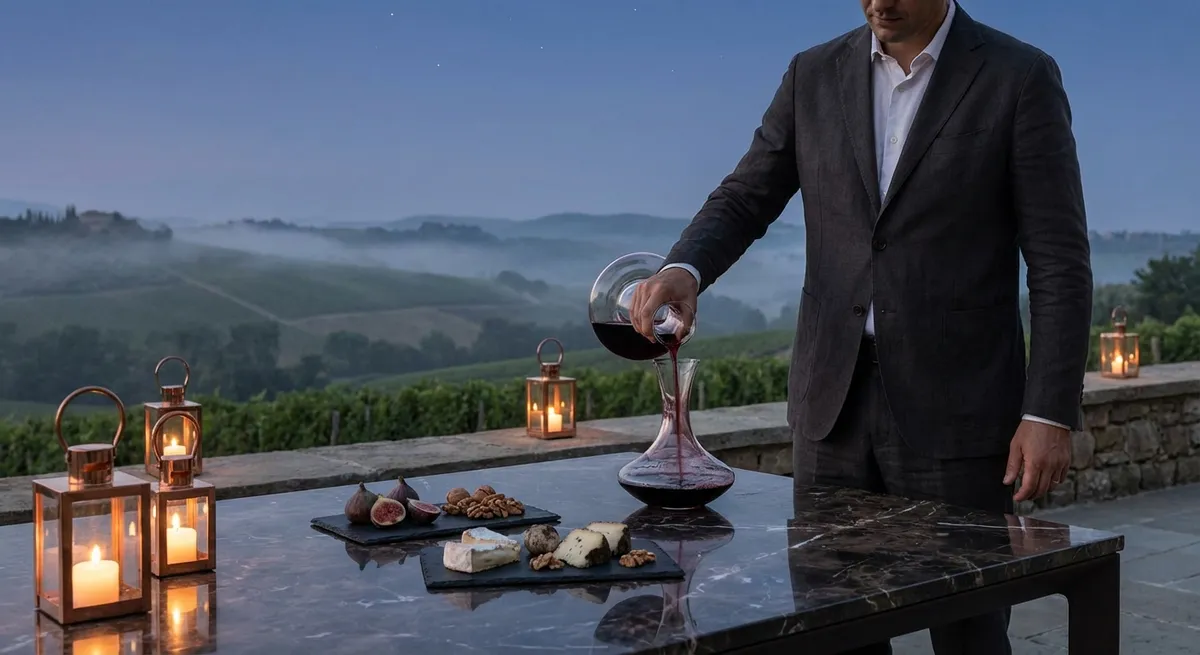
Instead of elaborate, overwrought dishes, the most compelling pairings often involve elemental ingredients: a piece of aged local cheese to highlight umami and salinity in a white Burgundy, a simple charcuterie with a structured Cabernet to frame tannins, or seasonal produce from the estate’s own gardens to mirror the freshness in a young rosé. When these tastings occur overlooking the very vines that produced the wine, the sense of coherence is profound.
Cultural texture further elevates the experience. Historical cellars, contemporary architecture that echoes the geology beneath, local art integrated into the estate, and music chosen to complement rather than dominate the setting all contribute to an atmosphere where refinement feels effortless rather than staged.
Exclusive Insight #5: Ask whether the estate offers micro-pairing experiences—small, precisely chosen bites designed for a single wine, rather than a full meal. These concise pairings often reveal subtleties in structure and aroma that even seasoned enthusiasts may have overlooked.
Conclusion
A premium vineyard visit is less a checklist of tastings and more a curated immersion into a living ecosystem of soil, science, season, and culture. For the discerning traveler, the objective is not to collect labels, but to assemble moments of clarity—instances where what is in the glass and what surrounds you fall perfectly into alignment.
When approached with intention, a vineyard visit becomes an education in nuance: understanding how hillside shade influences acidity, how a small change in barrel regimen changes the wine’s inner architecture, how the same estate can speak in different accents across vintages and parcels. At Wine Tour Adventures, we celebrate these quiet revelations and design journeys that allow them to unfold with grace.
The reward is enduring: long after the bottles are opened and shared, you retain not only the memory of the wines, but an intimate familiarity with the places and people that shaped them.
Sources
- Wine Institute – California Wine Country Facts – Overview of vineyard regions, climate influences, and viticultural diversity.
- UC Davis Department of Viticulture and Enology – Authoritative information on viticulture, winemaking science, and research-based best practices in the cellar and vineyard.
- Wine Spectator – Understanding Terroir – In-depth explanation of how soil, climate, and topography shape wine character.
- Decanter – Wine Tasting Etiquette and Techniques – Guidance on tasting structure, glassware choice, and maximizing sensory perception during visits.
- Harvard T.H. Chan School of Public Health – The Nutrition Source: Alcohol – Evidence-based discussion of alcohol and health, helpful context for responsible wine enjoyment.
Key Takeaway
The most important thing to remember from this article is that this information can change how you think about Vineyard Visits.