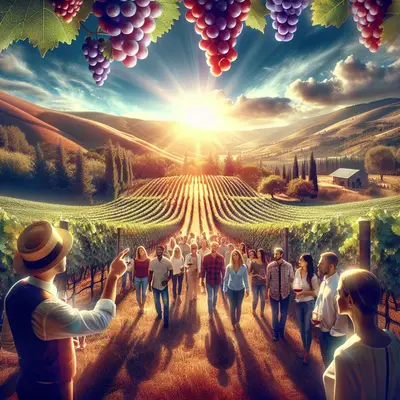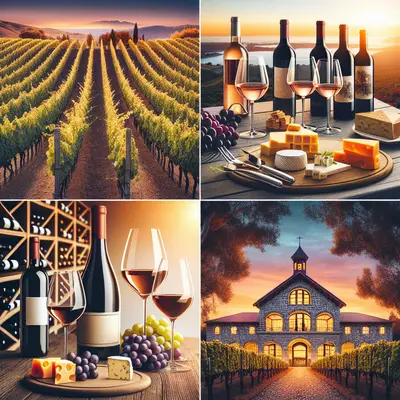
The most memorable wine tours feel less like scheduled visits and more like a quiet invitation into the soul of a region. For the discerning traveler, a vineyard is not simply a backdrop for tasting—it is a living archive of soil, climate, culture, and time. When approached with intention, a wine journey becomes an elegant choreography of place, people, and palate. This guide explores how to shape such experiences, with five exclusive insights that seasoned wine lovers will recognize—and newcomers will aspire to.
Designing a Journey Around Terroir, Not Labels
Many itineraries are built around famous names; refined wine travel, by contrast, begins with landscapes and soils. Terroir-driven planning means asking: where does limestone dominate, where does volcanic rock prevail, where do maritime winds shape the fruit? Your route becomes a narrative of geology and climate rather than a checklist of brands.
Instead of focusing on a single appellation by reputation alone, consider following a theme—high-altitude vineyards across different regions, coastal estates that harness saline breezes, or old-vine parcels farmed on steep, hand-tended slopes. When you map your travels this way, each stop deepens the previous one, revealing how subtle variations in exposure, elevation, and soil texture translate into the glass.
For the experienced enthusiast, this approach brings a heightened sense of continuity: tasting a structured cabernet from gravelly riverbeds in one valley, then exploring how a neighboring site on clay yields a softer, more generous style. The label becomes an index of place, not a trophy. In this way, your itinerary reads like a geological portfolio, curated with the same care a collector applies to a cellar.
The Quiet Power of Timing: Season, Light, and Pace
The finest wine tours are defined not only by where you go, but when and how. Shoulder seasons—late spring and early autumn—offer a rare balance: enough energy in the vineyards to feel alive, yet enough calm for truly unhurried conversation. In late spring, you see promise; in early autumn, you sense culmination.
Time of day matters just as much. Morning and late-afternoon visits tend to be calmer, the light more flattering, the temperatures more comfortable. Cool hours are kinder to both wine and palate, allowing you to appreciate aromatic delicacy that can blur in the heat. A thoughtfully paced schedule—no more than two or three in-depth visits per day—avoids sensory fatigue and leaves room for reflection.
Exclusive travelers often reserve one “empty” half-day within a multi-day journey. This unscheduled interlude invites serendipity: a spontaneous recommendation from a winemaker, a slow lunch in a village square, or a return to a wine you encountered earlier and now understand more fully. Nothing feels more luxurious than time that is both intentional and unclaimed.
Five Exclusive Insights Seasoned Enthusiasts Quietly Rely On
Discerning wine travelers rarely speak about all the techniques they use to elevate their experiences. The following five insights, quietly practiced by insiders, can transform a pleasant tour into a truly exceptional one.
1. Tasting the Vineyard Before the Wine
Before entering the tasting room, pause among the vines if possible. Notice the spacing between rows, the height of the canopy, the presence—or absence—of cover crops underfoot. Is the soil stony, compacted, or alive with plant diversity? These details reveal as much about philosophy as any technical sheet.
Enthusiasts often run a small amount of soil between their fingers, observing texture and moisture, or note wind direction and slope. Later, in the glass, they look for echoes: the linear precision of a stony site, the breadth and generosity of deeper clay, the tension from a cooler, exposed slope. Tasting begins in the vineyard, long before the first pour.
2. Asking Winemakers About Decisions, Not Just Technique
Rather than inquiring only about fermentation temperatures or barrel types, seasoned visitors ask about choices and trade-offs. Questions such as, “What did you change in the vineyard over the last decade, and why?” or “Which parcel gives you the most difficult decisions at harvest?” invite nuanced, revealing answers.
This shifts the conversation from textbook oenology to personal judgment and risk—how a producer responds to heat spikes, navigates lower yields, or adapts to shifting climate patterns. You gain insight into the estate’s long-term direction and better understand how style emerges from a series of intentional decisions, vintage after vintage.
3. Comparing Vintages Side by Side, Not Just Wines
A vertical tasting—multiple vintages of the same cuvée—is one of the most instructive experiences a winery can offer. Enthusiasts request, when possible, to taste at least two or three vintages together. This allows you to separate questions of winemaking style from the character of individual years.
You begin to perceive the signature of the house—its consistent thread of structure, texture, or aromatic profile—against the backdrop of changing weather, ripeness levels, and age. The comparison illuminates the estate’s capacity for longevity and resilience. You are no longer tasting a single “bottle”; you are reading a timeline.
4. Watching How Wines Are Poured and Served
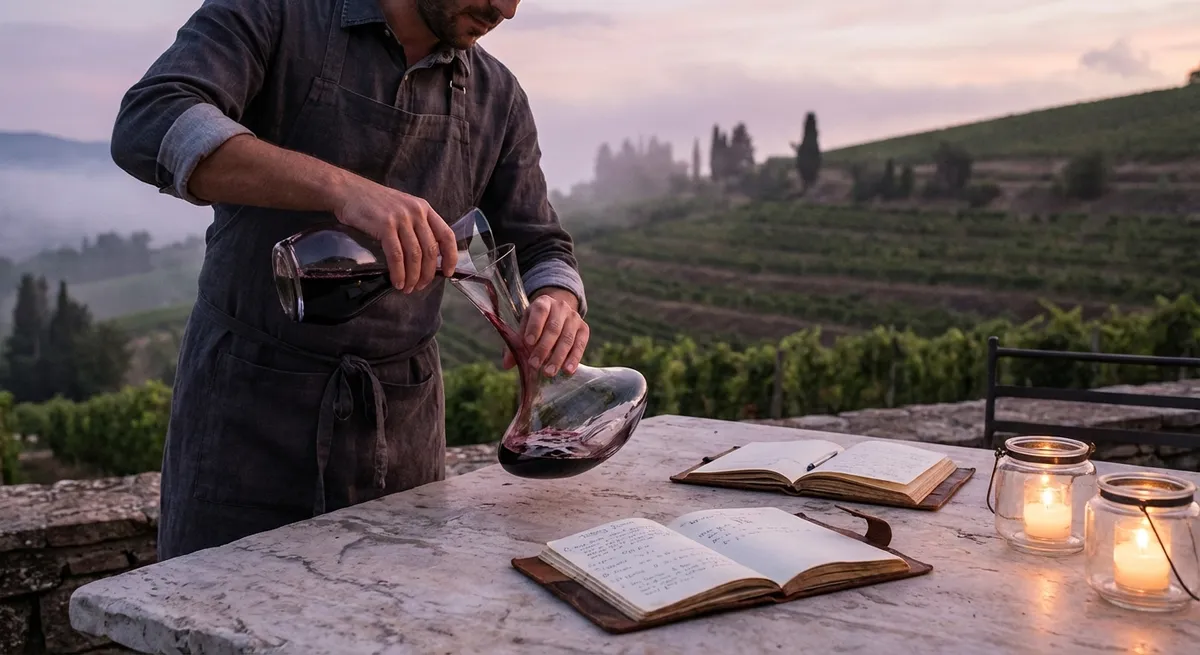
Subtle service details speak volumes. Attentive visitors observe the temperature of each pour, the glassware shapes chosen, and whether certain wines are decanted or allowed to open quietly in the glass. They notice if sparkling wines are poured in flutes or in broader tulips, if delicate whites are poured cooler than structured reds but not excessively chilled.
If a wine feels shy or closed, a practiced enthusiast requests to revisit it later in the sequence, after it has had time to evolve. This patience often yields a more accurate understanding of the wine’s potential. Monitoring service is not about critique; it is about aligning the conditions so that each wine can articulate itself clearly.
5. Documenting the Experience With More Than Tasting Notes
Serious wine lovers often keep notes, but the most illuminating records go beyond aromas and flavors. They capture context: the slope you stood on, the afternoon’s light, the story behind a particular parcel, the conversation that reframed your thinking. Some travelers sketch simple vineyard maps, annotate photographs with soil observations, or note how a wine changed over the course of 20–30 minutes.
These layered impressions allow you to revisit the experience months or years later with remarkable clarity. When you encounter the same wine at home or on a restaurant list, you bring back not only the memory of its taste, but its place—its cadence of wind, its textures underfoot, its narrative of craft. This is how a tour becomes part of your personal wine library, rather than a fleeting indulgence.
Cultivating Encounters, Not Just Bookings
The architecture of a premium wine tour lies in the quality of human encounters. An itinerary heavy with appointments yet light on meaningful interaction risks feeling transactional. By contrast, a day built around fewer, deeper visits can reveal the nuance and vulnerability behind great wines.
Whenever possible, arrange experiences that move beyond the public tasting counter: a barrel sampling in the cellar, a vineyard walk guided by the viticulturist, or a focused tasting devoted to a single grape or parcel. Private or small-group formats allow for quieter, more candid dialogue, particularly when visiting family-owned estates or properties with multi-generational histories.
Respect for the producer’s time and rhythm is integral to this approach. Punctuality, attentiveness, and genuine curiosity often open doors to unplanned tastings or previews of unreleased vintages. In many of the world’s most respected wine regions, reputation travels quickly; a thoughtful, informed visitor is remembered, and future doors tend to open more readily as a result.
Integrating Local Gastronomy With Intention
Wine without context is only half the story. A sophisticated wine journey weaves in local gastronomy not as an afterthought, but as a central pillar. The best pairings often happen not in Michelin-starred dining rooms—though these can be extraordinary—but in intimate regional restaurants that understand the local vineyards as deeply as the producers themselves.
Seek places where seasonal ingredients mirror the structure of the region’s wines: saline seafood with taut coastal whites, slow-braised dishes with structured reds, delicately spiced plates with aromatic varietals. When possible, plan at least one meal with a thoughtful wine pairing menu designed in collaboration with nearby estates. This not only highlights the wines in a culinary context, it also reveals how locals have historically enjoyed them.
Gastronomic interludes serve another purpose: they cleanse the palate and reset the mind. A carefully chosen lunch or dinner punctuates the tasting day, turning a sequence of visits into a balanced, harmonious composition. Just as a great winemaker knows when to exercise restraint, a well-curated itinerary knows when to pause.
Conclusion
A truly elevated wine tour is less about accumulation—of tastings, bottles, or photographs—and more about refinement: of attention, of understanding, and of connection. When you design your journey around terroir rather than fame, prioritize timing and pace, seek meaningful encounters, and adopt the quiet practices of seasoned enthusiasts, each glass becomes a lens through which to see more clearly.
The reward is subtle yet profound: you leave not only with wines you cherish, but with a deeper literacy in the language of place. Your future tastings—anywhere in the world—gain new resonance, informed by the soils you have walked, the stories you have heard, and the decisions you have witnessed firsthand. In this way, the finest wine tours do not end when you depart the vineyard; they continue, quietly shaping every bottle you open thereafter.
Sources
- Wine Institute – California Wine Country Visitor Information - Overview of visiting wine regions, seasonal considerations, and regional diversity
- Wines of Portugal – Understanding Terroir - Detailed explanation of how soil, climate, and geography influence wine styles
- Bordeaux Wine Council (CIVB) – Terroirs and Appellations - Authoritative insight into how differing soils and exposures shape wines within one region
- Napa Valley Vintners – Planning a Visit - Practical guidance on timing, appointments, and structuring winery visits
- UC Davis Department of Viticulture & Enology - Educational resources on viticulture and winemaking practices that underpin many of the principles discussed
Key Takeaway
The most important thing to remember from this article is that this information can change how you think about Wine Tours.