The world’s most memorable wine tours are never just about what’s in the glass. They are orchestrated experiences—quietly choreographed encounters with landscape, craftsmanship, time, and taste. For travelers who seek more than a standard tasting flight, a truly elevated wine journey feels almost like a private dialogue between you, the winemaker, and the vineyard itself.
This guide explores how to shape such journeys with intention, and reveals five exclusive insights that seasoned wine enthusiasts will recognize—and appreciate—when planning their next escape with Wine Tour Adventures.
Designing a Journey, Not a Stopover
An exceptional wine tour begins long before you arrive at the estate gates. It starts with a philosophy: you are not “dropping in” to taste; you are entering the living context of a wine. The most rewarding itineraries weave together terroir, culture, architecture, and gastronomy into a single, coherent narrative.
Rather than racing through a cluster of high-profile estates, consider a slower, more immersive arc. Arrange visits to properties that express distinct interpretations of the same grape, soil type, or microclimate. In Burgundy, this might mean experiencing the nuance between neighboring climats; in Napa, the contrast between valley floor richness and hillside restraint. The winemaker’s narrative, the shape of the vineyard, the age of the barrels, and even the ambient sound of the cellar all become part of the story.
Thoughtful timing deepens the experience. Arriving mid-morning allows clarity of palate and a more relaxed rhythm with the estate team; a late-afternoon visit framed by golden light in the vines invites quieter reflection. When every element—from transfer logistics to the pacing of tastings—is curated, the day ceases to feel like a schedule and begins to feel like a composition.
Five Exclusive Insights for the Attentive Wine Traveler
Sophisticated wine travelers often share a set of unspoken understandings—details rarely highlighted on standard tours, but quietly transformative once you know to look for them. These five insights will help you move from visitor to insider.
1. The Silent Architecture of Terroir
Terroir is often reduced to soil type in casual conversations, but its true expression is architectural: slope, exposition, drainage, wind patterns, canopy height, and even row orientation. On your next visit, ask to walk a section of the vineyard rather than only viewing it from the tasting room terrace.
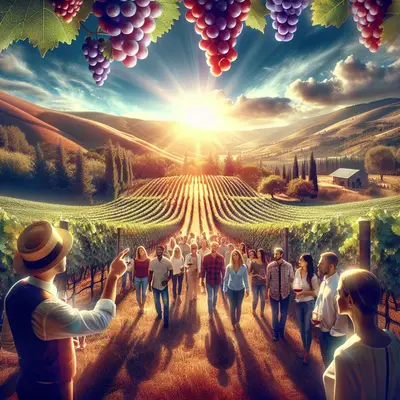
Pay attention to the gradient—steeper parcels often produce wines with tension and precision, while gentler slopes can express breadth and generosity. Note how cool air drains at dusk, where fog lingers, how close the vines sit to surrounding forests or bodies of water. A guided stroll among the rows, glass in hand, allows you to taste the wine while literally standing in its origin. The revelation is powerful: terroir stops being an abstract term and becomes a three-dimensional, sensory architecture you can inhabit.
2. The Cadence of the Cellar: Reading Time in Barrels and Tanks
Most cellar tours mention fermentation and aging, but the truly revealing experiences focus on cadence—how a winery choreographs time. Barrels of different sizes, ages, and origins interplay like an orchestra; concrete eggs, clay amphorae, and stainless-steel tanks each offer a distinct structural “voice” in the finished wine.
Request, when available, a comparative tasting from different stages of élevage: a sample from neutral oak versus new oak, or from amphora versus barrel. Listen closely as your host describes not only flavor but texture—how tannins feel across the palate, how the mid-palate broadens or tightens. These barrel-room moments are where you sense the winemaker’s aesthetic: do they prize translucence and tension, or generosity and opulence? Once you perceive this cadence, each bottle from that estate reads like a signature you can recognize across vintages.
3. Vintage as Climate Story, Not Just a Number
Experienced collectors discuss vintages in shorthand—“cool,” “classic,” “solar,” “a winemaker’s year”—but a refined tour experience reveals the underlying climate narrative. Ask your host to map the growing season for two or three recent vintages you will taste side by side. How hot were the heat spikes? How early or late was harvest? What was the water stress on older vines?
Many top estates now keep rainfall charts, degree-day data, and harvest logs at hand, and are increasingly transparent about how climate change is reshaping their decisions. When you taste a vertical flight with this context in mind, a vintage ceases to be merely “good” or “challenging”; it becomes a chronicle of adaptation and resilience. The comparison between a cooler, restrained year and a warmer, more expressive one illuminates both the vineyard’s character and the winemaker’s finesse in translating it.
4. Pairing as Translation: When Cuisine and Wine Share a Dialect
Food pairings on wine tours are often pleasant; the most memorable ones are precise acts of translation. Rather than generic cheese plates, look for experiences where local cuisine and the estate’s wines have evolved together—regional dishes that speak the same “dialect” as the vineyard.
Ask your host or on-site chef to explain why a certain preparation was chosen: the salinity of a local goat cheese that amplifies a taut white’s minerality, a slow-braised dish whose gentle richness cushions firm tannins, or a citrus accent that highlights a wine’s aromatic lift.
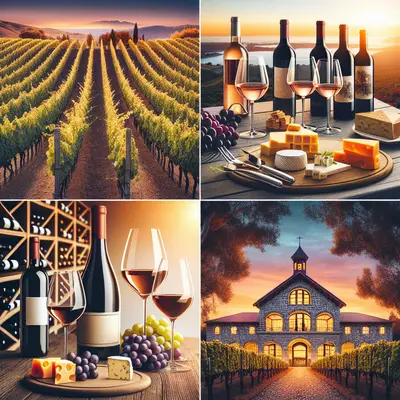
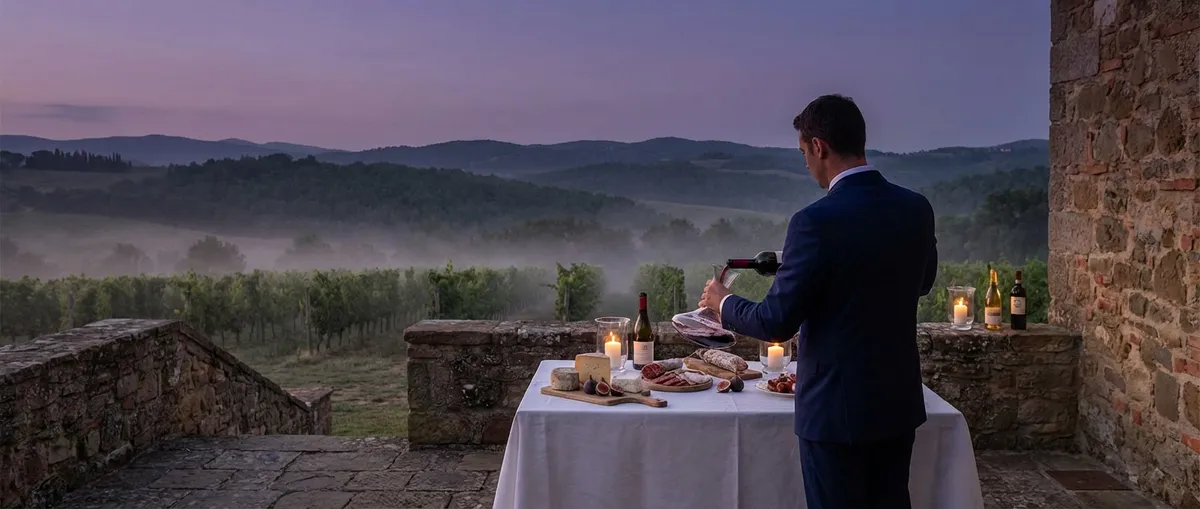
This level of detail changes how you experience pairing: each bite is an interpretive lens for the wine, and each sip reframes the dish. Over the course of an elegant lunch in the vines or a candlelit dinner in a barrel hall, you begin to recognize that the estate is not merely producing wine, but curating an entire gastronomic ecosystem around it.
5. The Library and the Future: Reading an Estate’s Past to Anticipate Its Trajectory
The most illuminating moment of a high-level wine tour often occurs behind a discreet door: the library cellar. Here, older vintages rest beside experimental bottlings, magnums reserved for special occasions, and sometimes wines that never reached the public. When possible, arrange for a tasting that includes at least one mature bottle from the estate’s archives.
As you taste, look for the through-line. Has the estate moved toward greater freshness? More restrained oak? Increased focus on specific parcels? Conversations around these older bottles reveal the philosophy and evolution of the property in a way no marketing brochure can.
Equally compelling is a glimpse into the future: perhaps a new parcel in conversion to organic farming, an experimental fermentation vessel, or a shift in grape sourcing at higher altitude. Library wines and trial cuvées together form a temporal spectrum—from what the estate once was, to what it is quietly becoming. For the seasoned enthusiast, this perspective elevates the tour from an isolated moment to a privileged view of an unfolding legacy.
Crafting a Seamless, Bespoke Experience
A premium wine journey is defined as much by what you do not experience—queues, rushed tastings, generic talking points—as by what you do. Discreet, advance coordination transforms a visit from transactional to deeply personal. Private appointments, thoughtfully spaced, allow time for unscripted conversations with winemakers and vineyard managers. Transportation that accounts for rural roads, changing weather, and time between estates ensures you arrive composed, not hurried.
Consider integrating non-tasting interludes that still resonate with the wine’s sense of place: a morning walk through a historic village that has supplied harvest workers for generations, a visit to a local cooper who crafts barrels for the estate, or a brief stop at an artisan producer of regional specialties. These moments add dimension without crowding the day.
Finally, think about your own role in the experience. Bring a small notebook not for scores, but for impressions: a phrase from the winemaker, the way a particular parcel smelled after a light drizzle, how a certain vintage unfolded in the glass over an hour. Such details become the architecture of memory, turning your tour into something you can revisit long after the last bottle from the trip has been opened.
Conclusion
The finest wine tours do not announce their luxury with spectacle; they reveal it through intention, intimacy, and nuance. From walking the slope where a wine was born to tracing its evolution across vintages, each carefully curated encounter invites you deeper into a world where time, place, and craftsmanship converge.
For the discerning traveler, these are not simply visits to wineries, but finely tuned journeys that refine your own understanding of wine—and, perhaps, of travel itself. With the right insights and a thoughtfully composed itinerary, every glass becomes more than a tasting; it becomes a quiet, enduring conversation with the land and the people who shape it.
Sources
- Napa Valley Vintners – Understanding Terroir – Overview of how soil, climate, and topography shape wine character in Napa Valley
- Burgundy Wines (BIVB) – Climats and Terroir – Detailed explanation of Burgundy’s climats and the nuances of terroir expression
- UC Davis Department of Viticulture and Enology – Research-based insights into vineyard management, fermentation, and wine aging
- OIV (International Organisation of Vine and Wine) – Climate and Viticulture – Technical publications on the impact of climate and viticultural practices on wine
- Decanter – The Art of Vertical Tasting – Discussion of how tasting across vintages reveals estate style and evolution
Key Takeaway
The most important thing to remember from this article is that this information can change how you think about Wine Tours.