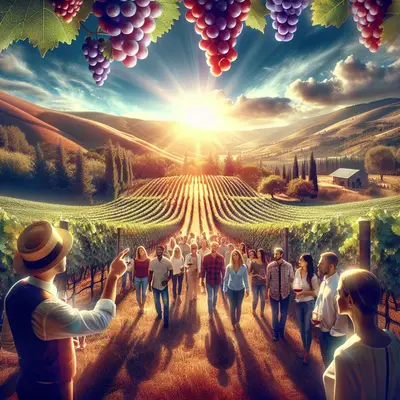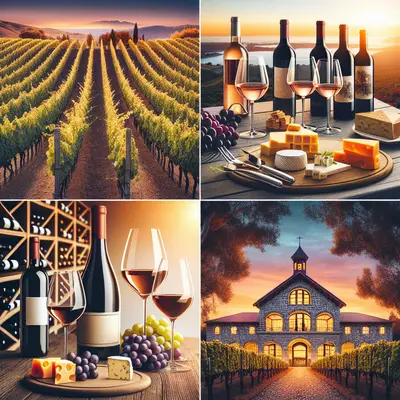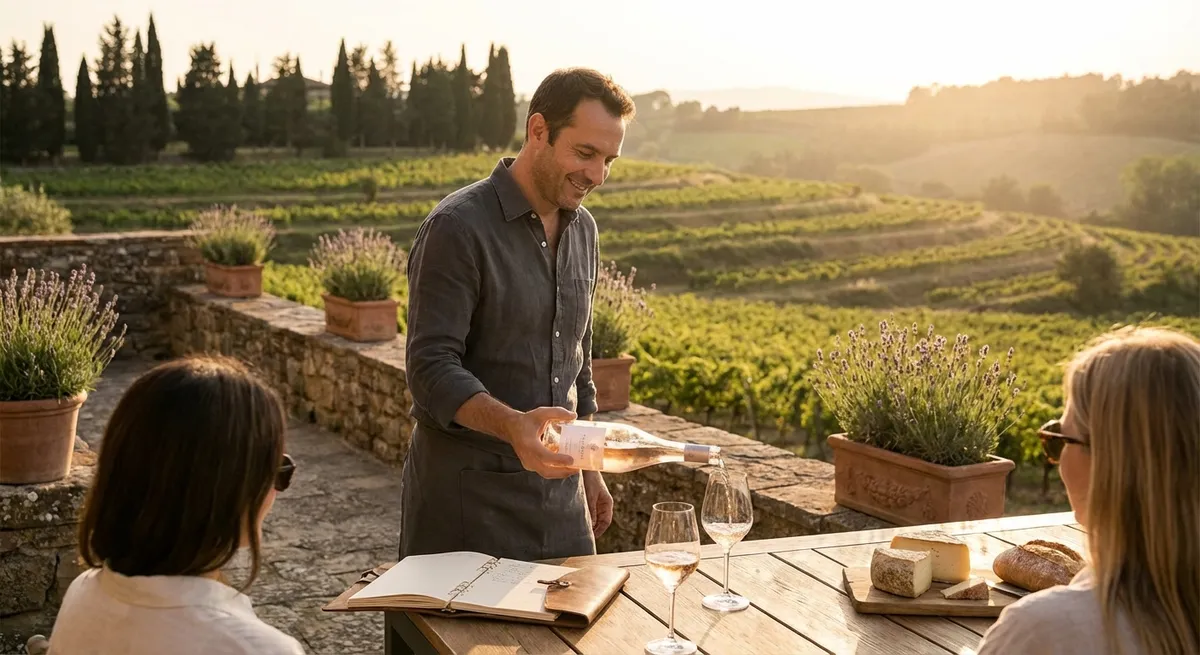
Wine travel, at its most refined, is less about hopping between tasting rooms and more about entering a world where landscape, craftsmanship, and time quietly converge. The most memorable wine tours feel almost choreographed, yet never contrived—each glass a conversation, each vineyard a chapter in a larger story of place. For enthusiasts who seek more than a simple pour, a truly elevated wine journey is measured not in the number of wineries visited, but in the depth of connection forged with a region and its makers.
Below, we explore how to craft this kind of experience—considered, immersive, and quietly luxurious—along with five exclusive insights that seasoned wine lovers will recognize as the true markers of an exceptional wine tour.
Designing a Journey Around Terroir, Not Just Labels
The sophisticated traveler knows that a wine region is not a checklist of famous estates, but a mosaic of microclimates, soils, and traditions. Instead of beginning with a list of “must-visit” wineries, begin with an inquiry: what stories does this landscape tell in the glass?
In Burgundy, a few meters in elevation can mean the difference between powerful and ethereal. In Willamette Valley, the contrast between volcanic and marine sedimentary soils can be tasted in the same grape variety. Approach your itinerary as a curated exploration of these nuances: pair a morning in cooler, wind-swept sites with an afternoon in sun-soaked slopes, or juxtapose limestone-driven tension with the plushness of clay-rich parcels.
When you plan this way, your tour becomes an elegant progression of sensory portraits rather than a blur of tasting rooms. The labels become secondary; terroir takes center stage. The result is a journey that feels composed—like a thoughtfully structured tasting menu where each course prepares and elevates the next.
Exclusive Insight #1: Request Comparative Single-Parcel Tastings
For enthusiasts who want to understand terroir at a granular level, ask in advance if the estate can pour single-vineyard or single-parcel wines side by side. Many serious producers quietly reserve these for collectors or trade visitors, but will open them for guests who express genuine, informed interest.
Tasting two Pinot Noirs from the same producer, same vintage, and different parcels is one of the most illuminating experiences in wine touring. You’re no longer comparing winemakers; you’re comparing places. It’s a privileged window into the vineyard’s fingerprint—and one of the most rewarding exercises for a refined palate.
Moving from Tourist to Temporary Insider
The atmosphere of a winery visit shifts dramatically when you’re treated as a thoughtful guest rather than a transient tourist. This transformation begins long before you arrive, with how you introduce yourself and what you request.
Instead of asking for “a standard tasting,” reach out ahead of time and mention a specific cuvée you admire, a vintage you’ve cellared, or a technical detail you’re curious about. Producers recognize and appreciate this level of engagement; it signals that you’re not simply chasing a photo opportunity, but seeking a meaningful exchange.
Consider arranging fewer visits per day with longer appointment windows—two or three in-depth experiences instead of five or six quick stops. Space in the schedule invites unhurried conversation, spontaneous barrel samples, and impromptu walks through the vines. This is often when the most candid, fascinating stories emerge: the frost year that shaped a winemaker’s philosophy, the neglected parcel that became the estate’s quiet masterpiece, or the experiment that turned into a flagship wine.
Exclusive Insight #2: Ask to Taste “Behind the Label”
A subtle but powerful question for serious enthusiasts: “Is there anything you’re working on that isn’t widely released yet?” Many top domaines have experimental cuvées, micro-lots, or library vintages that never appear on a public tasting list.
You may be offered a barrel sample of a new blend, a trial with amphora or concrete, or a small run bottling made for friends and family. These pours are rarely about prestige; they’re about curiosity and craft. Tasting them invites you into the creative process—into the decisions that will shape what eventually reaches the market.
Elevating the Senses: Beyond Sight, Smell, and Taste
A refined wine tour cultivates a heightened awareness of context: the air temperature in the barrel room, the faint echo of footsteps on stone, the scent of wild herbs in the vineyard. These impressions are not distractions; they’re part of the architecture of memory.
Train yourself to notice how temperature affects your perception of structure and texture in the glass, or how the silence of an underground cellar seems to slow your tasting pace and sharpen your focus. Observe whether you respond differently to wines tasted outdoors among the vines versus in a neutral, softly lit salon.
In more advanced settings, some estates are pioneering sensory experiences that integrate sound, architecture, and light to frame the wine. A minimalist, concrete-walled tasting room can emphasize precision and purity; a candlelit cave can amplify the sense of depth and age. By tuning into these details, you begin to understand how great wineries design not just wines, but entire experiences that complement them.
Exclusive Insight #3: Request a “Neutral Glass” Benchmark
One often-overlooked refinement: glassware. Enthusiasts know that stem shape can subtly, but meaningfully, alter perception of aroma, texture, and balance. When possible, ask to compare the same wine in the estate’s preferred glass and a more neutral, all-purpose stem.
This quiet experiment can reveal how the winery intends its wines to be experienced—and whether a more universal stem might better align with your own palate. It also helps you calibrate your home glassware choices, ensuring that the bottles you bring back from your travels show at their best.
Time as a Hidden Luxury in Wine Touring
In the world of serious wine, time is the ultimate silent ingredient: time in barrel, time in bottle, time in the glass—and time in conversation. The most refined wine tours respect this dimension rather than rushing through it.
Build your itinerary around moments of deliberate slowness. Arrive early enough to watch the light change over the vineyards. Linger with a single glass long enough to feel it evolve from first pour to final sip, noting how oxygen reveals new layers of aroma and texture. Consider booking a vertical tasting where you can follow a single cuvée across multiple vintages; it’s one of the most powerful ways to understand how both time and climate shape a wine’s personality.
When you allow time to expand, your perception sharpens. The differences between vintages become more articulate, the subtleties of structure more evident. This slow, attentive approach is the hallmark of a mature wine traveler—someone who understands that the rarest luxury isn’t access, but unhurried attention.
Exclusive Insight #4: Ask for a “Library Moment”
If you sense a rapport with your host, and the estate has a documented history, ask if there is a single older bottle they feel best captures the identity of the property over time. Not a trophy vintage, but a quietly meaningful one—perhaps from a transitional year, or a season that demanded particular resilience.
Many estates keep limited stocks of such bottles, opened selectively for guests who will genuinely appreciate their nuance. Sharing this kind of wine is often a deeply personal act for the producer; treating it with contemplative respect transforms the visit into a shared, almost ceremonial experience.
Integrating Gastronomy, Culture, and Place
A premium wine tour is not confined to winery gates. It flows naturally into the culinary and cultural fabric of the region. The most resonant journeys connect what is in the glass with what appears on the plate—and with the traditions that shaped both.
Seek out restaurants that work closely with local producers and offer thoughtfully constructed regional pairings. A simple dish—grilled river fish with a mineral-driven white, or slow-braised lamb with a mature red—can illuminate terroir more powerfully than any tasting note. Ask your hosts where they personally choose to drink on a rare day off; their recommendations often lead to understated dining rooms and village bistros where the wine list reads like a love letter to the surrounding hills.
Balance winery visits with time in markets, historic villages, and quiet walks among the vines. Visit during harvest if you can, when the air itself seems saturated with fermenting fruit and urgency. These impressions—voices in the crush pad, stained hands sorting fruit, tractors humming at dusk—become the invisible context that deepens your connection to the wines on your table years later.
Exclusive Insight #5: Request a “Locals’ Pairing” Recommendation
At the end of a visit, ask your host a very specific question: “If you were opening this wine at home for people you care about, what exactly would you serve with it?” Not a generic category like “roast poultry,” but the dish they would actually cook or order.
You may hear about a regional specialty, a family recipe, or an unexpectedly simple pairing that has become a personal ritual. Note these suggestions carefully; recreating them at home can bring the emotional atmosphere of the visit back to life, turning future dinners into subtle extensions of your journey.
Conclusion
A truly elevated wine tour does not announce itself with excess or spectacle. Its luxury lies in the considered details: the quiet of a barrel room, the arc of a single cuvée across vintages, the way a winemaker’s eyes linger on a particular hillside as they speak. For the discerning traveler, the goal is not to collect as many visits as possible, but to cultivate a handful of profound encounters that continue to evolve in memory—just as the wines themselves do in the cellar.
By centering terroir over trophies, conversation over checklists, and time over haste, your journeys through wine regions become something more than travel. They become a personal atlas of places, people, and moments—each bottle in your collection a passport back to a vineyard at dusk, a cellar in hushed light, a table where everything in the glass made perfect, fleeting sense.
Sources
- [Wine Tourism: A New Cultural and Leisure Phenomenon](https://www.oiv.int/en/oiv-life/wine-tourism-a-new-cultural-and-leisure-phenomenon) - International Organisation of Vine and Wine overview of global wine tourism trends and context
- [Napa Valley Vintners – Visit Napa Valley Wineries](https://www.napavalleyvintners.com/wineries/) - Illustrates how premium wineries structure visits, appointments, and in-depth experiences
- [Burgundy Wine Board (BIVB) – Terroir and Climats of Bourgogne](https://www.bourgogne-wines.com/our-terroir,2451,9264.html?&args=Y29tcF9pZD0xMjM1JmFjdGlvbj12aWV3JmlkX2NhdGVnb3JpZT00JmlkX3R5cGU9MSZpZF9wcm9kdWl0PTI3MiZsYW5nPWVuJm51bT0x.html) - Detailed explanation of how micro-terroirs and climats shape wine character
- [Wine Institute – California Wine Country Travel Tips](https://discovercaliforniawines.com/travel/wine-country-travel-tips/) - Guidance on planning thoughtful, appointment-based visits and enhancing regional experiences
- [Harvard T.H. Chan School of Public Health – The Nutrition Source: Alcohol](https://www.hsph.harvard.edu/nutritionsource/healthy-drinks/alcohol/) - Context on moderate wine consumption and health, useful for responsible enjoyment on tour
Key Takeaway
The most important thing to remember from this article is that this information can change how you think about Wine Tours.