For the discerning traveler, a wine tour is no longer a casual afternoon among the vines; it is a carefully choreographed immersion into place, craft, and culture. The most memorable experiences are not defined by the number of wineries visited, but by the depth of connection to the landscape, the people, and the glass in hand. At Wine Tour Adventures, we believe that a truly premium wine journey unfolds in quiet layers—revealing its character gradually, like a great vintage given time to breathe.
Redefining the Modern Wine Tour
The contemporary wine tour has evolved far beyond the standard tasting bar and souvenir glass. Today’s sophisticated traveler seeks a narrative: how the contours of a hillside translate into structure on the palate, how a winemaker’s restraint or boldness becomes visible in the glass, how a region’s history and microclimate inform each nuanced sip.
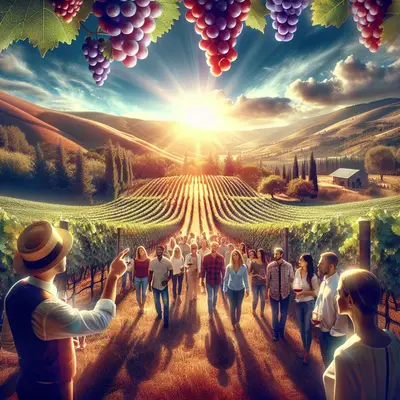
Curated wine journeys favor intimacy over volume. Instead of racing from estate to estate, the focus shifts to immersive, in-depth encounters—walking the rows at first light with a vineyard manager, tasting from barrels with the winemaker, or pairing single-vineyard wines with dishes created by a local chef who understands the subtleties of that terroir. The experience becomes less about “ticking off” appellations and more about inhabiting them, even if only for a day.
Premium wine touring is also increasingly sensorially layered. Light, temperature, sound, and pacing are orchestrated to enhance the wine rather than distract from it. A thoughtfully designed itinerary creates space—time to pause, to reflect, and to allow the nuances of each estate to linger before introducing the next chapter in the journey.
The Art of Seasonality: Traveling in Step with the Vineyard
For the refined wine traveler, timing is everything. The vineyard is a living organism, and its mood shifts dramatically throughout the year. Aligning your journey with the vineyard’s seasonal rhythms transforms a simple visit into an insider’s exploration.
In early spring, the vines awaken with bud break, offering a serene, contemplative atmosphere where the architecture of the landscape takes center stage. Summer brings a verdant, energetic backdrop—ideal for outdoor tastings among the rows, yet often busier and more vibrant in tone. Harvest season, while electric with activity, is best navigated with intention: private tours, pre-arranged access, and a focus on observing the precision of picking, sorting, and fermenting rather than simply chasing the excitement.
Even winter holds its own quiet luxury. Stripped of foliage, vineyards reveal the elegance of their geometry, and cellars become sanctuaries of warmth and contemplation. A winter wine tour often means more time with winemakers, fewer crowds, and the rare pleasure of unhurried conversations over older vintages. The most exclusive journeys are crafted with this seasonality in mind, matching the traveler’s preferences to the vineyard’s natural cadence.
Five Exclusive Insights for the Serious Wine Enthusiast
For those who already know their crus and vintages, the distinction between a pleasant outing and an exceptional wine journey lies in subtler, more refined details. These five insights can transform your next tour into a deeply rewarding, almost bespoke experience.
1. Elevation, Aspect, and the “Hidden” Terroir Story
Beyond soil type and climate, the interplay of elevation and aspect can be the quiet key to understanding a region’s finest wines. Vineyards at higher altitudes often yield wines with greater acidity and aromatic precision, while south-facing slopes in cooler climates can produce remarkable ripeness without sacrificing elegance.
On tour, ask to compare wines from different elevations or exposures within the same estate. Taste a hillside parcel against a lower-lying block, or a cool, east-facing site beside a sun-drenched western slope. Not only does this deepen your understanding of terroir, it signals to your hosts that you are genuinely engaged—often unlocking access to micro-cuvées or single-plot bottlings rarely poured for the general public.
2. Decoding the Cellar: Fermentation Vessels and Texture
For the advanced enthusiast, the most revealing part of any visit is often the cellar—not for its ambience, but for its materials. Stainless steel, concrete, large foudres, new French oak, amphorae: each vessel leaves an almost architectural imprint on the wine’s texture and expression.
A premium tour leans into this. Instead of simply walking past rows of barrels, inquire how the estate orchestrates its fermentation choices: Which cuvées see neutral oak versus new barriques? Where is concrete used to preserve purity of fruit? How are amphorae shaping tannin and mouthfeel in experimental lots? When you taste, pay special attention to the mid-palate and finish—where these decisions become most apparent. Estates often respond to this level of curiosity with barrel samples or limited-production wines not featured on standard tasting menus.
3. Vertical Tastings: Experiencing Time as a Dimension
Many visitors focus on breadth—sampling a portfolio across varieties. The true connoisseur, however, seeks depth through vertical tastings: multiple vintages of the same wine. This is where the intersection of climate, vintage variation, and evolving winemaking philosophy is laid bare.
A well-structured vertical reveals how a single vineyard expresses itself in warm versus cool years, how tannins resolve over time, and whether the estate’s signature style is anchored in terroir or technique. When planning your tour, request in advance a focused vertical of one or two flagship wines. Private, appointment-only tastings are often the best setting for this, and they frequently become the most memorable, conversation-rich moments of the journey.
4. The Quiet Power of Stemware and Serving Rituals
In elite dining rooms, the right stemware and serving temperature are considered non-negotiable. The same attention to detail belongs on the wine trail. The shape and quality of the glass, the precision of decanting, and the patience given to aeration all subtly shape your perception of a wine’s complexity and balance.
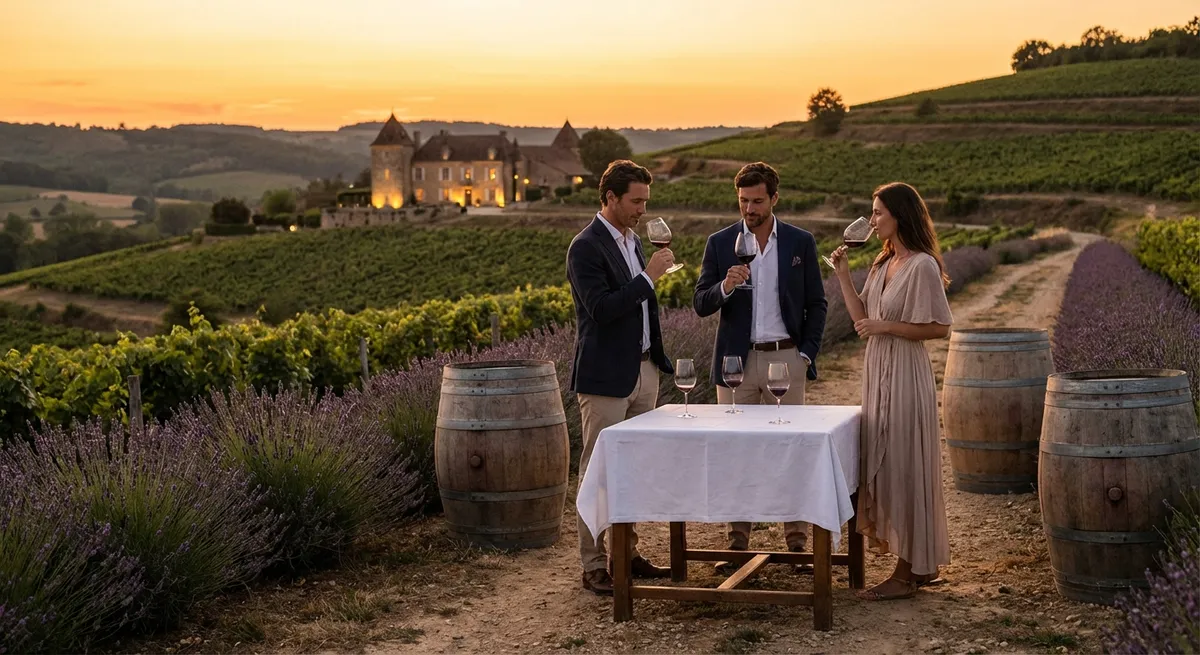
Notice whether an estate adjusts stemware based on variety or style. Do they decant structured reds in advance of your arrival? Are whites tasted too cold, muting their aromatics, or warmed gently in the glass before evaluation? For an elevated experience, ask to revisit a key wine at the end of the tasting, after it has had time to evolve in the glass. The comparison can be revelatory—and it emphasizes your interest in the wine’s development, not just its initial impression.
5. Culinary Alignment: Moving Beyond Generic Food Pairings
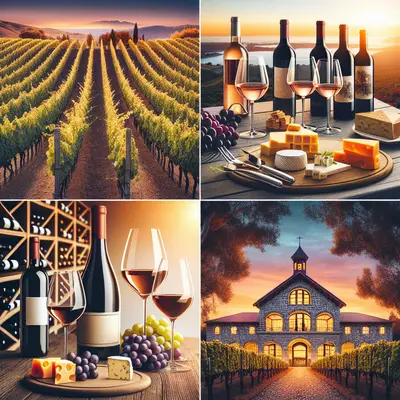
The era of simple cheese plates and charcuterie boards is giving way to a more discerning approach to wine and food pairing. Exceptional wine tours increasingly involve collaborations with chefs, from vineyard-side lunches to multi-course, terroir-driven dinners that echo the estate’s sensibilities.
Instead of generic pairings, look for experiences that highlight local ingredients and seasonality aligned with the wines’ structure. A mineral-driven white served with delicately prepared shellfish from a nearby coast; a finely textured Pinot Noir alongside a regional dish that mirrors its subtle earthiness; a late-harvest wine matched with a restrained, not overly sweet dessert that lets the acidity shine. By favoring culinary experiences that are thoughtfully curated rather than simply abundant, you invite a more nuanced, integrated understanding of both wine and place.
Designing an Itinerary with Intention
Crafting a premium wine journey is an exercise in restraint as much as ambition. Limiting the number of estates visited in a day allows time for private vineyard walks, cellar explorations, and the sort of unhurried conversations that can reshape your understanding of a region. This slower, more deliberate pace naturally favors quality over quantity—and often reveals the most memorable, unscripted moments.
Consider dedicating entire days to a single appellation or even a single, larger estate, with layered experiences—morning in the vineyard, midday culinary pairing, afternoon cellar tasting—rather than scattering your attention across multiple regions. Incorporate intervals of quiet: a drive along backroads, a pause overlooking a valley at golden hour, a short walk through old vines. These interludes act as palate cleansers for the mind, allowing each encounter to stand apart.
Engaging a specialist to curate private appointments, arrange access to limited-production wines, and synchronize logistics elevates the experience further. The true luxury is not merely in the estates you visit, but in the way each element—scenery, conversation, glassware, cuisine, and timing—converges into a seamless, coherent narrative.
Conclusion
A refined wine tour is not about spectacle; it is about subtlety, intention, and depth. It is an exploration that unfolds across dimensions of place, time, craft, and hospitality. By attuning yourself to the intricacies of terroir, cellar practice, vertical evolution, serving ritual, and culinary harmony, you transform each visit from a simple tasting into an enduring dialogue with a region and its artisans.
In the end, the most exquisite wine journeys leave you with more than a list of vintages—you depart with a heightened sensibility, a more finely tuned palate, and a collection of moments that, much like great wines, continue to develop in memory long after the last glass has been poured.
Sources
- Wine Institute – World Wine Production and Consumption Data - Offers context on global wine regions and production, useful for understanding the diversity behind curated wine tours.
- University of California, Davis – Viticulture and Enology Resources - Provides educational material on grape growing and winemaking, including the impact of terroir, elevation, and cellar practices.
- Decanter – Guide to Wine Tasting and Vertical Tastings - Explains advanced tasting techniques and the value of comparing vintages in depth.
- Court of Master Sommeliers – Service Standards - Details professional approaches to stemware, temperature, and wine service rituals that elevate tasting experiences.
- Institute of Masters of Wine – Food and Wine Pairing Insights - Explores sophisticated perspectives on culinary alignment with fine wines.
Key Takeaway
The most important thing to remember from this article is that this information can change how you think about Wine Tours.