The word “premium” appears on far too many labels; only a fraction of wineries truly earn it. For the discerning traveler, the distinction is not simply in price or prestige but in intention, restraint, and an almost obsessive pursuit of detail. Premium wineries are not just destinations—they are orchestrated environments where time, terroir, and technique converge into an experience that lingers long after the last glass is poured.
Below, we explore what quietly separates these houses of excellence from the rest, and share five exclusive insights that serious wine enthusiasts will instantly recognize—and deeply appreciate.
The Quiet Architecture of Excellence
At authentic premium wineries, architecture is never just aesthetic—it’s functional sculpture, designed around wine’s sensitivity. Gravity-flow chais built into hillsides, subterranean barrel rooms, and thoughtfully oriented tasting salons all serve the wine first, the visitor second, and the photo opportunity last.
Temperature stability is often disguised as elegance: thick stone walls that read as grandeur but perform as natural insulation; narrow windows and filtered light that protect delicate wines from UV exposure; long, cool corridors that double as experiential walkways and thermal buffers.
Even the choice of materials speaks volumes. Concrete, oak, and local stone not only harmonize visually with the landscape but help stabilize temperature and humidity. Premium wineries often invest in acoustics as well—minimizing echo and harsh sound so that conversation feels intimate and focused, even in larger spaces.
The subtle message is clear: you are a guest in a working temple of craft, not a theme park. The entire environment nudges you toward contemplation—of the glass, the place, and the people who shape both.
Precision in the Vineyard: Where Luxury Actually Begins
Long before the bottle appears, premium wineries display their standards among the vines. While many estates talk about “low yields,” serious properties can show you how that philosophy translates vine by vine: green harvesting to concentrate flavor, meticulous canopy management to balance sun exposure and airflow, and an almost surgical approach to disease pressure and ripeness monitoring.
A truly premium vineyard is often a checkerboard of micro-decisions. Different row orientations for specific parcels, varied rootstocks to match soil structures, tailored irrigation regimes—if any—and, crucially, no rush to pick merely because a calendar or market demands it. Harvests are broken down into narrow picking windows, sometimes separating blocks by a few vertical meters of slope or nuances in soil drainage.
Sustainability here is rarely a marketing slogan. It manifests as compost programs from winery waste, cover crops selected for specific soil benefits, precision viticulture guided by satellite or drone imagery, and sophisticated water management in drought-prone regions. For an attentive visitor, the vineyard walk becomes a masterclass in how luxury is fundamentally agricultural.
The Invisible Craft: Fermentation as an Artistic Choice
In a premium winery, the fermenters often tell the real story. While stainless steel tanks dominate the industry, the most thoughtful producers work with a mosaic of vessels—concrete eggs, large-format foudres, amphorae, and small oak barrels—each chosen deliberately for the texture, aromatic profile, and ageability they aim to cultivate.
Fermentation temperatures are monitored not as a bureaucratic necessity but as a creative variable. Cooler fermentations preserve floral and mineral nuances; slightly warmer ones unlock deeper spice and structure. Indigenous yeasts, when selected, are less about ideology and more about a calculated risk in the pursuit of complexity and a sense of place. Conversely, some houses unapologetically deploy specific cultured yeasts for precision and reliability, especially in challenging vintages.
Premium wineries frequently run parallel micro-vinifications—tiny experimental lots within a single vintage. These “whisper batches” may never be bottled on their own, but they teach the winemaker how a vineyard parcel behaves under different conditions: whole-cluster versus destemmed, varied maceration times, or differing cap-management techniques. For guests granted a taste from these trials, it’s a rare glimpse of the wine’s evolution before it dons its final identity.
The Barrel Room as a Library of Possibilities
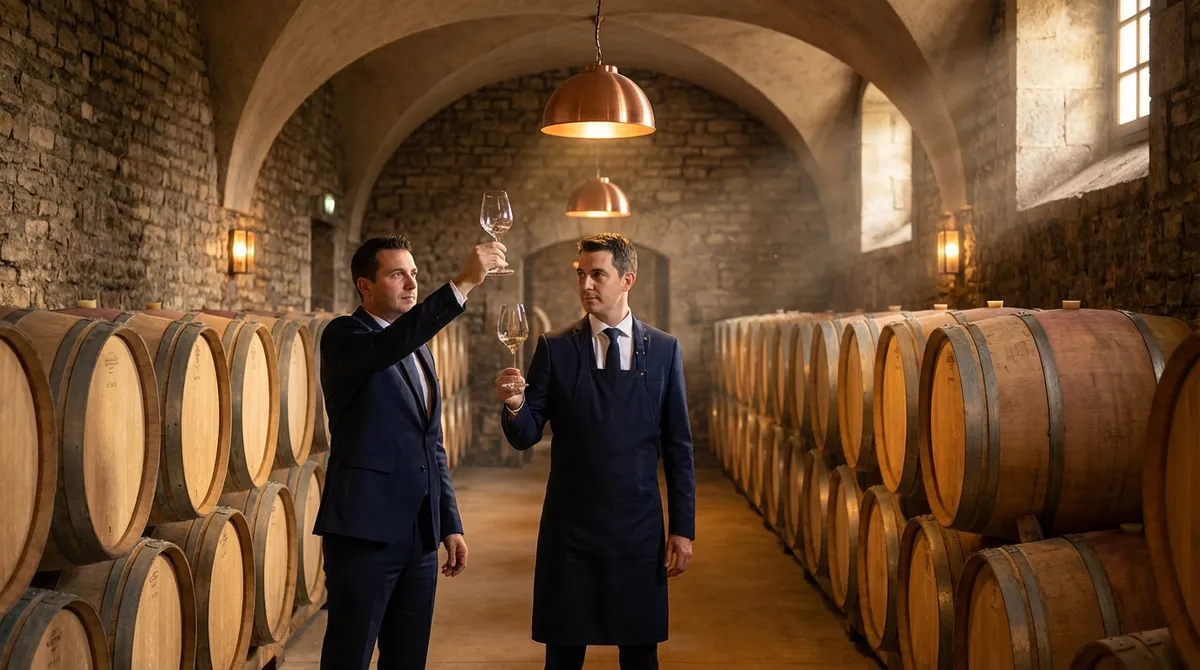
If the vineyard is the foundation and fermentation the sketch, the barrel room is where the narrative is refined. In serious cellars, barrels are not generic containers but instruments with provenance, intent, and a role in a larger composition.
You’ll see differing coopers, toasting levels, and barrel ages layered with precision. New oak is applied not as a status symbol but like seasoning in haute cuisine—discernible yet never dominant when used well. Sensitive winemakers might use more large-format oak (foudres, puncheons) for aromatically delicate varieties, reserving smaller barriques for structured reds that can integrate a more assertive wood influence.
Humidity and temperature control in the barrel room can be almost obsessive. Slight variations influence evaporation rates (“the angel’s share”) and the concentration or freshness of the wine. Top-tier wineries sometimes maintain separate barrel rooms or zones for different varieties or styles, allowing them to tailor maturation to the wine’s innate architecture.
Barrel tasting in such cellars is revelatory. You can track how a single wine expresses itself from disparate barrels: one bringing tension and lift, another depth and spice. For the informed visitor, this is the moment the word “blend” stops sounding generic and becomes a series of microscopic aesthetic decisions.
Five Exclusive Insights for the Devoted Enthusiast
Seasoned wine travelers know that the difference between a competent tasting and a truly elevated encounter often lies in details that never appear on the public tour script. These five insights will help you read a premium winery from the inside out—and engage at a level that earns you deeper access.
The True Luxury Is Access, Not Opulence
Marble counters and panoramic views can be purchased; meaningful access must be earned. Pay attention to how readily the estate grants you contact with those who actually make or direct the wines—winemakers, cellar masters, or estate managers. When they appear in your tasting, unhurried and open to nuanced questions, you are no longer just a visitor; you are being treated as a serious participant in their story.
Library Vintages Reveal the House’s Soul
A premium winery with confidence in its craft maintains a curated library of past vintages and is willing—under the right circumstances—to share them. Tasting an older vintage alongside the current release illuminates the estate’s real aspiration: ageability, not just early charm. If you are offered such a comparison, focus on texture, balance, and the integrity of the wine’s structure over time rather than just tertiary aromas.
The Best Experiences Are Often Off the Public Menu
Many top estates maintain a discreet tier of “by-appointment, by-introduction, or by-invitation” tastings that are not listed on their main website. These might feature single-parcel bottlings, experimental cuvées, or comparative flights rarely poured for the general public. A thoughtful email prior to your visit—mentioning specific wines, vintages, or techniques you admire—often opens doors that generic booking systems will not.
Cellar Protocols Speak Louder than Tasting Notes
While tasting room language is polished, the cellar floor is where you see how seriously quality is guarded. Glance at how barrels and tanks are labeled, how scrupulously hoses and fittings are cleaned, and how samples are drawn. Are there clear protocols, or is everything improvisational? Premium wineries tend to display quiet discipline: meticulous lot coding, spotless workspaces, and an evident culture of precision.
Time Is the Ultimate Indicator of Respect
The most telling luxury a winery can offer is unhurried time. Notice whether your host is rushing to the next group, truncating explanations, or guiding you gently yet thoroughly through each wine and its context. When a busy estate chooses to extend the visit—walking you through the vineyard, pausing at the barrel room for one extra barrel sample, or revisiting a favorite wine in the lineup—it’s a sign you’ve been recognized as a serious enthusiast, not just a passing guest.
Curating Your Own Premium Winery Journey
To truly engage with premium wineries, shift your expectations from entertainment to immersion. Before you travel, study the estate’s history, flagship wines, and most acclaimed vintages. Familiarize yourself with the region’s key grape varieties and styles so that your questions can be specific rather than generic—think “parcel selection in the upper slope” rather than “What makes this wine special?”
When booking, express your interests upfront: single-vineyard bottlings, sustainability and soil health, long-term aging programs, or fermentation experiments. Many elite properties respond favorably when they sense genuine curiosity and preparedness. This can influence who receives you, what you taste, and which spaces you’re invited into.
During your visit, resist the urge to race through a checklist of estates. Premium wineries reward depth over breadth. A single, carefully chosen half-day visit, with ample time for vineyard walks, cellar immersion, and extended conversation, yields far more insight than four rushed tastings in succession. You are not collecting stamps—you are building relationships.
Finally, consider purchasing thoughtfully, not impulsively. Ask about drinking windows, cellaring potential, and ideal food pairings. A bottle that you cellar for a decade and then open with memory of the estate, the light in the vineyard, the cool air of the barrel room—that is the true echo of a premium winery experience.
Conclusion
Premium wineries are not defined by grandeur alone, but by a sequence of intentional choices—many of them invisible to the casual visitor. From the disciplined quiet of the vineyard to the nuanced choreography of fermentation and élevage, these estates weave a level of care that reveals itself most clearly to those who know how to look.
For the devoted wine traveler, the reward lies not only in tasting extraordinary bottles but in understanding why they are extraordinary. When architecture, viticulture, cellar craft, and hospitality align in service of authenticity rather than spectacle, your visit becomes more than a tour. It becomes an apprenticeship in elegance—one that continues every time you pull the cork on a bottle that carries you back to that singular place.
Sources
- UC Davis Viticulture and Enology – Technical background on vineyard management, yields, and quality-focused viticulture
- Wine Institute – Sustainable Winegrowing – Insight into sustainability practices used by many premium wineries
- Decanter: Inside the World’s Best Wineries – Discussion of the factors that distinguish top-tier estates
- JancisRobinson.com – Oak and Wine Maturation – Detailed explanation of barrel choices, aging, and their impact on fine wine
- Napa Valley Vintners – Winemaking Techniques – Overview of advanced winemaking methods commonly found in premium wineries
Key Takeaway
The most important thing to remember from this article is that this information can change how you think about Premium Wineries.