The world’s most exceptional wineries rarely reveal themselves at first glance. Their magic lives not only in acclaimed labels and immaculate vineyards, but in the quiet decisions, private spaces, and unseen rituals that shape every bottle. For the devoted wine traveler, understanding these subtleties is the key to unlocking experiences that transcend a standard tasting flight. At Wine Tour Adventures, we believe the true luxury of wine lies in access, intimacy, and detail—those nuanced layers reserved for guests who know how, and where, to look.
Redefining “Premium”: What Truly Sets a Top-Tier Winery Apart
Premium wineries are not merely defined by price or prestige; they are distinguished by intention. From vineyard to glass, every choice is deliberate: the parcels selected for single-vineyard bottlings, the oak regime crafted for each cuvée, the pacing of harvest decided row by row rather than block by block.
The most revered estates tend to operate at a slower, more contemplative rhythm. Their focus is less on volume and visibility and more on precision, terroir expression, and the longevity of their wines. Sustainability, too, has shifted from a marketing term to a core philosophy—seen in organic or biodynamic practices, meticulous water management, and low-intervention winemaking that respects the land.
What differentiates the truly premium property is often what you cannot see on a brisk walk through the tasting room: experimental micro-vinifications, small-lot releases reserved for mailing list members, or library collections calibrated over decades. For the guest, recognizing these layers turns a simple visit into a rarefied encounter with a living, evolving craft.
Insight 1: The Private Architecture of the Estate
While grand façades and sweeping vineyard views are immediately impressive, the premium winery reveals its character in its hidden architecture. Subterranean caves carved into limestone, gravity-flow wineries that replace pumps with carefully designed inclines, and temperature-steady barrel halls all exist for one purpose: to handle the wine as gently and precisely as possible.
In a gravity-flow facility, grapes move from sorting table to fermentation vessel to barrel by the quiet pull of gravity rather than mechanical force. This reduces extraction of bitter compounds and preserves aromatic delicacy—an engineering choice that directly shapes purity in the glass. Barrel caves, dug deep into hillsides, offer naturally stable humidity and temperature, allowing wines to mature slowly without the stress of fluctuating conditions.
When you tour a top-tier winery, ask to see where the wines ferment and age, and notice how the building itself participates in the winemaking. The finest estates are designed like instruments: tuned to temperature, light, airflow, and acoustics, with every corridor and chamber serving a purposeful role in the wine’s evolution.
Insight 2: Precision Viticulture You’ll Never See on the Label
The most coveted wines often owe their grace to decisions that never make it into public tasting notes. Precision viticulture—combining traditional observation with cutting-edge data—has quietly redefined quality at the high end.
Top estates now map their vineyards parcel by parcel, sometimes vine by vine. Drones or satellite imagery may be used to monitor vigor, soil moisture, and ripeness variation within a single block. These insights inform hyper-targeted interventions: adjusting canopy height row by row, tailoring irrigation (or choosing none at all), or picking micro-sections at different moments to capture freshness and depth in separate lots.
For the guest, this level of detail explains why two wines from neighboring plots can taste dramatically different. Next time you taste a premium single-vineyard bottling, ask which specific rows it comes from, how the canopy was managed, and whether the harvest was done in multiple passes. The most serious producers will have clear, thoughtful answers—often revealing a level of vineyard choreography that elevates the wine far beyond its appellation.
Insight 3: The Art of Barrel Selection and the Quiet Power of Time
In the realm of premium wineries, oak is not an afterthought; it is a language. The most respected estates treat barrel selection as a discipline on par with blending. Choices of cooperage, forest origin, grain tightness, and toast level are matched to specific grape varieties, parcels, and vintages.
French oak from different forests—Allier, Troncais, Nevers—can impart subtle variations in tannin texture and spice. Some cuvées might be partially aged in larger neutral foudres to emphasize purity over power, while others receive a modest portion of new barriques to frame the wine’s structure without overwhelming its aromatics. Time in barrel is similarly calibrated: instead of a fixed schedule, the wine is racked or bottled only when it reaches a precise balance of integration and energy.
One of the most revealing questions you can ask at a premium estate is how they pair barrels to wines and whether they age the same cuvée in multiple formats. If you have the opportunity to taste components from different barrels side by side, you gain rare insight into how nuanced and deliberate the final blend truly is.
Insight 4: Library Wines and the Culture of Patience
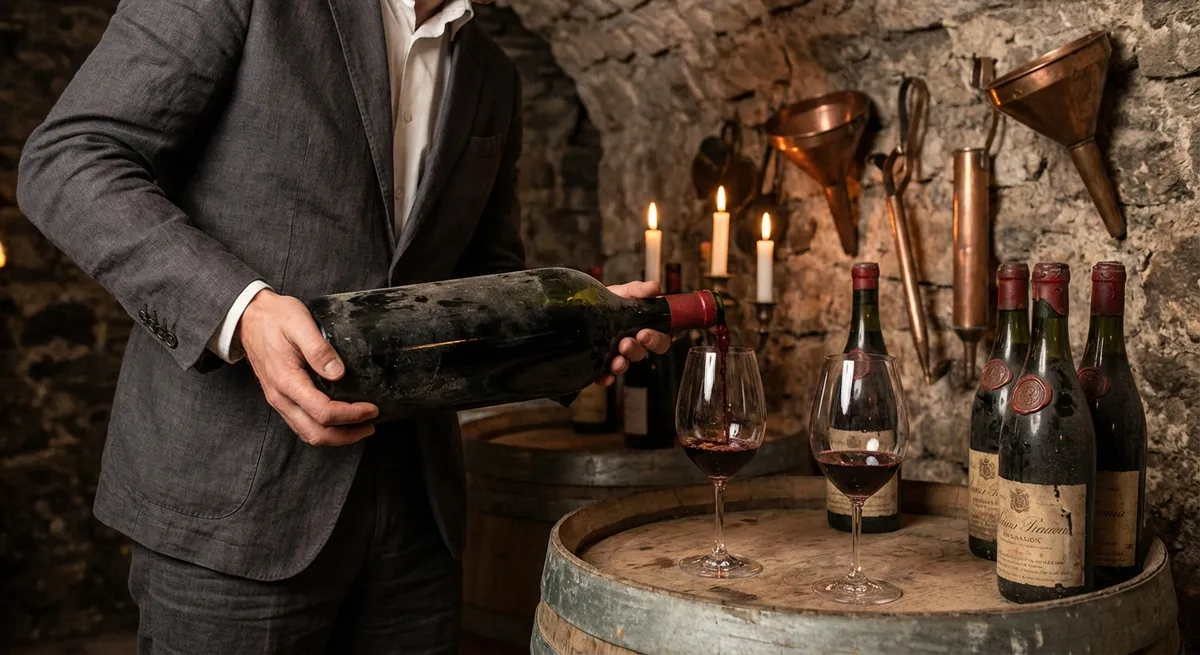
Among the most privileged experiences in the world of premium wine is access to a winery’s library collection. These are not simply “older bottles”; they are a curated archive of vintages the estate has chosen to protect and periodically re-evaluate.
Maintaining a library is an act of long-term commitment. Space is allocated in temperature-controlled cellars, cork quality is scrutinized, and the estate periodically opens bottles to assess how their wines are maturing. The findings shape future decisions: perhaps a particular block ages more gracefully than anticipated, or a change in oak regimen better supports three decades in bottle.
For the informed traveler, a library tasting is a masterclass in terroir and time. Vertical tastings—sampling multiple vintages of the same wine—reveal how climate, farming choices, and cellar techniques echo across the years. When planning a visit, inquire in advance about archive or back-vintage experiences; these often require booking ahead, but they are where the true depth and credibility of a premium winery become unmistakably clear.
Insight 5: Elevated Hospitality as a Reflection of the Estate’s Philosophy
At the highest level, hospitality at a premium winery is not about opulence alone—it is about coherence. The architecture, pacing of the visit, glassware quality, and even the soundtrack in the tasting salon should feel aligned with the wines’ character and the estate’s values.
Expect a slower cadence: seated tastings rather than crowded bars, appointments instead of drop-ins, conversations that move from weather patterns and harvest dates to food pairings and cellaring advice. The most refined hosts are educators as much as they are storytellers; they illuminate the technical details without diminishing the romance of the experience.
Attention to nuance is a sign of seriousness. Are wines served at appropriate temperatures? Are decanters used judiciously for structured reds or mature whites? Is each flight arranged to build in intensity and complexity rather than simply grouping by grape? These seemingly minor choices signal how deeply the estate respects both its craft and its guests.
For enthusiasts seeking truly elevated experiences, it is often worth arranging private or small-group tastings, educational seminars, or vineyard walks. In these settings, the estate’s most passionate team members tend to share the insights and details that cannot be conveyed in a standard visit.
Conclusion
To move beyond the surface of luxury wine tourism is to seek out the quiet, layered decisions that define a premium winery’s identity. Architecture that serves the wine, vineyards managed with surgical precision, barrel choices that shape texture and longevity, library collections that prove a wine’s capacity to age, and hospitality that reflects deep respect for both terroir and guest—all of these elements converge in the glass.
For travelers who value depth over spectacle, understanding these five insights transforms a winery visit into an intimate conversation with place, time, and craftsmanship. On your next journey with Wine Tour Adventures, approach each estate not simply as a destination, but as a meticulously composed world—one that reveals its finest details to those who know how to look, listen, and taste with intention.
Sources
- University of California, Davis – Viticulture and Enology – Technical resources on vineyard and cellar practices that underpin premium wine quality
- Wine Institute – Sustainable Winegrowing Practices – Overview of sustainability initiatives widely adopted by leading wineries
- Decanter – Guide to Gravity-Flow Wineries – Explains how gravity-flow design influences winemaking at high-end estates
- Wine Spectator – Understanding Oak in Winemaking – Detailed discussion of how different barrels and aging choices shape premium wines
- GuildSomm – Cellaring and Wine Longevity – Professional-level insight into aging, library programs, and how wines evolve over time
Key Takeaway
The most important thing to remember from this article is that this information can change how you think about Premium Wineries.