There is a moment—often just after arrival—when the pace of the outside world falls away and the vineyard’s quiet architecture takes over: lines of vines, shifting light, and the muted cadence of cellar work in the distance. For the seasoned wine enthusiast, a vineyard visit is no longer about ticking off estates; it is about entering a landscape of intent, craft, and time. At Wine Tour Adventures, we believe the most memorable visits are not the most ostentatious, but the most thoughtfully composed. The difference lies in nuance—and in knowing what, precisely, to look for.
Below are five exclusive, under‑the‑radar insights that transform a pleasant vineyard stop into a truly elevated, insider experience.
Reading the Landscape: Terroir as a Conversation, Not a Concept
Terroir is often discussed as an abstract ideal. On site, it becomes a physical presence—soil underfoot, wind patterns, the curve of a hillside, the way morning light hits one block and not another.
When you arrive, resist the urge to rush straight into the tasting room. Spend a few minutes simply observing the vineyard from different vantage points. Note where the slope tightens, where the soil changes color, where cover crops are flourishing or sparse. Ask to see contrasting parcels—an upper, wind‑exposed block versus a lower, more sheltered one.
The most compelling estates will be able to tie these precise locations to specific wines in your glass: “This parcel gives us the fine graphite edge you feel on the finish,” or “That lower section contributes the darker stone fruit.” When a producer can narrate this connection with clarity, you are not just visiting a property; you are stepping inside its blueprint.
Refined travelers learn to treat the landscape as an open notebook. A vineyard that invites you to walk key plots, compare soils in your hand, and then taste corresponding barrels or bottlings is offering a level of transparency usually reserved for trade insiders.
The Cellar in Motion: Timing Your Visit to the Work of the Year
Vineyard calendars are not abstract; they shape the entire experience of a visit. Instead of choosing dates solely by your personal availability, choose them by what the vineyard is actually doing.
Visiting during:
- Late winter / early spring: You witness pruning, the architectural moment when the year’s potential is literally carved onto the vine. Ask to walk with the vineyard manager and listen to how they choose which canes to keep—it reveals their philosophy on yield, concentration, and longevity.
- Late spring / early summer: Canopy management is in full swing. This is when you can observe how a producer balances shade, airflow, and ripeness. Their approach says as much about precision as any lab analysis.
- Harvest: The estate is alive with decision-making. Fruit sorting tables, fermentation tanks in different stages, and the pacing of picking decisions offer a candid look at how the team behaves under pressure.
- Post‑harvest / late autumn: A quieter, reflective period. Ideal for deep cellar conversations about aging, blending, and long‑term strategy.
The most discerning estates will welcome timing‑conscious visits with tailored experiences—perhaps a walk along freshly pruned rows, a taste of fermenting juice at different stages, or a comparative tasting of barrel samples from varied parcels. When you sync your visit with the rhythm of the vineyard, you gain access to the estate’s truest, least rehearsed self.
Decoding Craft Through Glassware, Service, and Silence
For the experienced taster, the true signal of a serious property often lies in the subtleties of how wine is presented rather than what is written on the label.
Pay close attention to:
- Glassware: Are different shapes used with intention for white, red, and sparkling? Does the stemware feel aligned with the style of the wines (precision‑driven, textural, aromatic)?
- Serving sequence: Is there a thoughtful progression—from lighter, more linear wines to those with greater power or oak presence? Do they calibrate the flight to the day’s conditions (heat, humidity, time of day)?
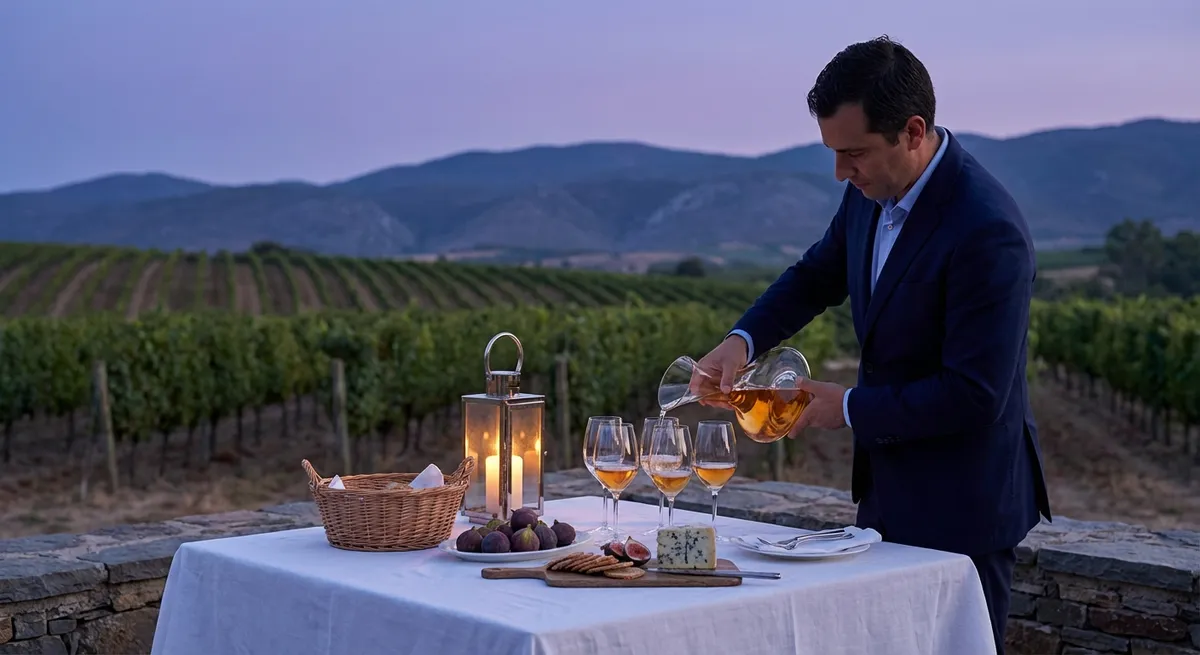
- Temperature and decanting: Are young structured reds given air? Are fine whites served cool but not muted by excessive chill? Each decision reveals how seriously the estate regards its own work.
- Pacing and silence: Do they allow space between pours for you to engage with the wine without constant commentary? The confidence to “get out of the way” of a great wine is often telling.
Exclusive insight for enthusiasts: ask to taste one wine in two different glasses, or at two temperatures if possible. The estates that embrace this request, and actively enjoy the exercise with you, tend to be those that think of wine as a living object rather than a finished product. That mindset is where genuine excellence usually resides.
Beyond the Tasting Room: Seeking the Rooms Few Guests See
Most visitors experience the same choreography: arrival, tasting bar, quick cellar tour, boutique. To move beyond this surface, you must learn to ask for spaces that are rarely offered but often revealing.
Consider inquiring—politely and with flexibility—about:
- The blending room or lab: Even a brief look at how trials are set up can tell you how far the estate pushes precision. Are there multiple small tanks or barrels dedicated to experimental fermentations? Do they retain micro‑parcels separately?
- Library storage: Seeing how older vintages are stored—temperature stability, horizontal versus vertical, labeling discipline—provides clues to how seriously the estate regards longevity and provenance.
- Vineyard trial blocks: Many top properties maintain test rows for new clones, rootstocks, or regenerative practices. A short walk through these areas is like looking into the estate’s future.
- Technical infrastructure: A discreet look at the press, sorting system, or fermentation vessels (concrete, oak, stainless, amphora) can illuminate the texture and structure you later encounter in the glass.
The most refined visits feel almost architectural in their progression: vineyard, cellar, experimental spaces, and finally, the glass. When an estate curates this journey with coherence, you gain an integrated understanding of their aesthetic—from soil choice to bottle.
Cultivating a Collector’s Mindset During Every Visit
Even if you never intend to build a large cellar, approaching each visit with a collector’s mindset transforms your experience from casual outing to informed curation.
During your tasting and conversations, quietly consider:
- Age‑worthiness vs. early pleasure: Ask which wines the team believes will evolve over 10–20 years, and why. Their answers—tannin profile, acidity, structure—train your palate to recognize these traits.
- Vintage character: Do they describe each vintage in vague superlatives, or can they articulate specific climatic challenges and choices? Genuine candor about difficult years is a powerful trust signal.
- Consistency vs. evolution: Taste across multiple vintages if possible. Are changes intentional (reflecting new viticultural insight or climate adaptation) or reactive? Long‑term travelers often seek estates with a clearly evolving yet coherent style.
- Traceability: How transparent is the labeling? Can you discern parcel origin, harvest date, or specific practices from the bottle? This level of detail becomes invaluable when revisiting wines years later.
An exclusive tactic for enthusiasts: after your visit, write a concise, structured note for yourself—not just tasting impressions, but atmospheric details, vineyard observations, and the estate’s philosophy in a few sentences. Over time, these notes become a personal atlas of producers whose values match your palate and principles. A truly premium vineyard visit is not just about what you taste today, but how you refine your judgment for every bottle that follows.
Conclusion
The most rewarding vineyard visits no longer hinge on access to “secret” labels or exclusive rooms; they revolve around your ability to perceive intention—how the landscape, the cellar, and the glass speak to each other. By reading the vineyard as carefully as you read the wine, by timing your arrival to the rhythm of the year, by observing the choreography of service, venturing beyond the obvious spaces, and cultivating a collector’s mindset, you step into a more rarefied level of engagement.
In this elevated mode of travel, each visit becomes less an excursion and more a quiet apprenticeship—an ongoing conversation with the people and places that shape the wines you love. And as that conversation deepens, so too does the pleasure of every glass that follows.
Sources
- UC Davis Department of Viticulture and Enology – Technical insights into vineyard practices, terroir, and winemaking that inform how to interpret what you see on site
- Wine Institute – California Winegrowing – Overview of viticultural seasons and key activities throughout the year, useful for timing vineyard visits
- Burgundy Wine Board (BIVB) – Understanding Terroir – In‑depth explanation of how slope, soil, and microclimate shape wine styles, directly relevant to reading vineyard landscapes
- Institut National de l’Origine et de la Qualité (INAO) – French regulatory body explaining appellation rules and vineyard classifications, valuable context when evaluating estates in regulated regions
- Decanter Magazine – Wine Serving Temperature Guide – Authoritative guidance on glassware and temperature, reinforcing the importance of precise service during tastings
Key Takeaway
The most important thing to remember from this article is that this information can change how you think about Vineyard Visits.