The world’s finest wineries rarely shout for attention. They invite, almost imperceptibly, into a realm where craftsmanship is quiet, decisions are painstaking, and every detail—light, glassware, pacing, even silence—is curated with intention. For the traveler who has already toured the obvious estates and tasted the marquee labels, premium wineries offer a different kind of luxury: one rooted in time, nuance, and restraint rather than spectacle. This is where the experience shifts from “wine tourism” to a form of finely tuned hospitality, and where the most memorable moments are often those that feel almost incidental.
The Architecture of Restraint: Design That Disappears into the Experience
At a truly premium winery, architecture and interior design are not backdrops but instruments, calibrated to influence how you see, smell, and taste. You may notice that the best estates resist overt grandeur: muted palettes, filtered natural light, tactile materials, and an intentional absence of visual noise. Stone, oak, linen, and glass are chosen not merely for aesthetics, but for how they temper temperature, echo, and aroma.
Subtle design choices guide your journey. Elevated tasting counters sit at a height that encourages relaxed posture and eye contact; seating is arranged to frame vineyard vistas or the stillness of the barrel hall, not the guests themselves. Sound is managed with obsessive care—thick doors, hidden acoustic panels, the soft hush of textiles—to ensure that conversation can be intimate and unhurried. Lighting is often diffused and layered, avoiding direct glare that could alter color perception in the glass. Even the distance between spaces is choreographed; a short walk from the cellar to the tasting room, flanked by vines or sculptures, becomes a palate-cleansing pause rather than mere transit. The most refined estates understand that the environment should never compete with the wine—it should vanish into the experience, leaving only a lingering sense of quiet precision.
Time as a Luxury Ingredient: The Unhurried Cadence of Premium Estates
If there is a single, unmistakable signature of a premium winery, it is the way they handle time. Appointments are rarely stacked; visits are scheduled with breathing room, allowing staff to extend a tasting or deviate from the plan without glancing nervously at the clock. You will often find that there is no rush to pour the next wine; glassware is given time to aerate, conversation is allowed to meander, and questions receive considered, not rehearsed, answers.
This unhurried cadence extends far beyond the visitor experience. In the vineyard, fruit is picked according to ripeness and weather windows, not simply to fit a harvest timetable. In the cellar, fermentations may progress slowly at lower temperatures, and wines might rest in barrel or on lees longer than is economically convenient, simply because the winemaker believes the wine is not yet ready to show its full voice. Release dates are sometimes delayed—a vintage held back another year because the house style demands patience over immediate cash flow. As a guest, you are gently invited into this slower rhythm. A premium winery will often pour older vintages alongside current releases, not as a marketing flourish, but as a way of demonstrating that they think in arc, not in season. Time here is not a cost to be minimized; it is a primary ingredient, and you are meant to feel its presence in every glass.
The Invisible Hand in the Vineyard: Precision Without Theatrics
For serious wine enthusiasts, the vineyard is less a postcard and more a laboratory of intention. At the upper end of the spectrum, viticulture is a discipline of exacting, often invisible decisions. Premium wineries tend to treat each block—and sometimes each row—as a distinct conversation with the land. You may notice slight differences in canopy height, pruning style, or ground cover as you walk; these are not inconsistencies but deliberate adjustments calibrated to soil composition, slope, sun exposure, and wind.
Many of these estates quietly pursue organic, biodynamic, or regenerative practices, but the focus is rarely on flashy certifications. Instead, the narrative is about soil life, water stewardship, and longevity of the vines. You might learn how cover crops are selected not only to prevent erosion, but to attract beneficial insects and fix nitrogen naturally. Irrigation—where permitted—is often used with almost surgical restraint, pushing roots deeper rather than encouraging surface-level growth. Yields are managed not to impress on a tour, but to ensure flavor concentration and phenolic balance; you may hear the almost whispered admission that perfectly healthy clusters are dropped before harvest to protect quality.
The most revealing detail is not the presence of cutting-edge technology, but how quietly it is integrated. Weather stations and soil probes inform decisions but do not override intuition; drones may monitor vine health, yet harvest dates are still set by walking the rows and tasting berries. For the informed traveler, this blend of data and instinct is where true sophistication lies.
Cellar Alchemy: When Micro-Decisions Shape a Signature Style
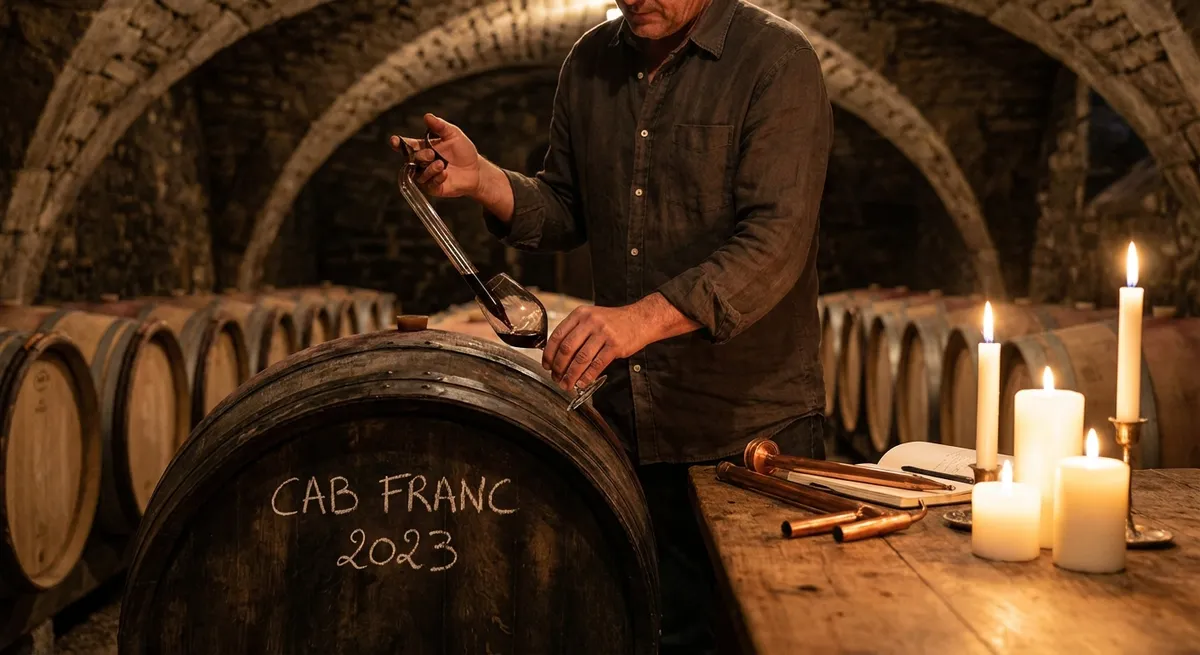
The cellar of a premium winery is not a stage for showmanship; it is a sanctuary of micro-decisions. Temperature control, for example, is not simply about stainless steel tanks but about minute gradients within different spaces, allowing fermentations to proceed at tailored speeds. You may find small-format tanks or concrete eggs alongside classic barrels, each vessel chosen for its impact on texture, not trend.
Oak usage is one of the clearest markers of refinement. Instead of broad declarations about “French oak,” serious estates will speak of individual cooperages, forest origins, grain tightness, and toast levels, often matching specific barrels to particular vineyard parcels. New oak is used sparingly where it supports, not dominates; seasoned barrels are cherished for their capacity to frame fruit with nuance rather than obvious spice or vanilla notes. Decisions around lees contact—how often to stir, how long to maintain sur lie aging—are made wine by wine, vintage by vintage, avoiding formulaic repetition.
Perhaps the most exclusive insight is how premium wineries conceive of blending. Trials may involve dozens, even hundreds, of iterations, searching not for power but for proportion: a small percentage of one parcel to lift aromatics, a touch of another to anchor mid-palate, a discreet addition of a structurally firm component to lengthen the finish. The final blend is often the result of weeks of quiet contemplation rather than a single decisive moment. As a guest, being invited to taste separate components before the final cuvée is a privileged window into this process, revealing just how many decisions are hidden behind a seemingly effortless signature style.
Hospitality as Curated Intuition: When Service Anticipates the Enthusiast
In the realm of premium wineries, hospitality is less about luxury trappings and more about a kind of refined intuition. From the first correspondence, you may notice careful, almost forensic questions: preferred wine styles, comfort level with technical language, sensitivities to scents or foods, even whether you collect or simply seek memorable bottles to drink within a few years. This quiet data-gathering allows the estate to orchestrate a visit that feels uncannily tailored.
During the tasting, the most attentive hosts adjust in real time. If they sense that you respond to discussions of soil and elevation, they linger there; if your eyes light up at stories of vintages past, they pivot toward library bottlings and the estate’s history. Glassware may change mid-experience—not as a gimmick, but to highlight structural differences between varieties or to reframe a wine you already tasted. Pours may be slightly smaller but more frequent, giving you multiple reference points rather than a single, overwhelming impression.
Food pairings, when offered, are subtle and precise: a single perfectly ripened piece of cheese, a restrained bite of local produce, a neutral bread designed to cleanse rather than imprint flavor. Scented candles or strong perfumes are conspicuously absent; sensory distractions are rigorously edited out. The most telling detail, however, is how the experience continues after you depart. Thoughtful follow-up—detailed tasting notes, cellaring recommendations based on your climate, or a quiet note when a particular vintage is drinking beautifully—extends the hospitality far beyond the estate walls. In this sphere, service is not performance; it is an ongoing, almost private dialogue with the enthusiast.
Conclusion
Premium wineries occupy a world where excellence is pursued with discipline, and luxury is defined less by extravagance than by intention. Architecture recedes to let the wine speak; time is treated as an ally, not an obstacle; viticulture and cellar work are honed through countless quiet choices rather than dramatic gestures; and hospitality manifests as a finely tuned response to each guest’s curiosity and palate. For discerning travelers, these estates offer more than beautiful views and impressive bottles. They offer entry into an ecosystem where every element—seen and unseen—is arranged to honor the wine, the land, and the person standing at the tasting bar, glass in hand.
Sources
- Napa Valley Vintners – Winemaking & Terroir - Overview of how site, climate, and viticulture influence premium wine styles
- Wine Institute – Sustainable Winegrowing Practices - Insight into advanced vineyard and winery sustainability approaches used by top estates
- Institute of Masters of Wine – The Winery - Professional-level discussion of cellar decisions, fermentation vessels, and maturation choices
- UC Davis Department of Viticulture and Enology - Technical resources on winemaking practices used by quality-focused producers
- Decanter – What Makes a Fine Wine? - Exploration of the factors—vineyard, cellar, time—that define fine and premium wines
Key Takeaway
The most important thing to remember from this article is that this information can change how you think about Premium Wineries.