There is a moment, just after you step out of the car and before you reach the tasting room, when a vineyard quietly tells you who it is. The cadence of the landscape, the way the light hits the vines, even the sound of the gravel underfoot—each detail signals whether you are about to enjoy a pleasant afternoon or encounter something truly exceptional. For discerning travelers, the magic of a vineyard visit lies not only in what’s in the glass, but in the subtle choreography behind every pour, pathway, and pause.
Today’s most memorable vineyard experiences are crafted with the same precision as a great cuvée: layered, nuanced, and designed to reveal themselves slowly. For those seeking more than a standard tour and tasting, there is an emerging world of private vantage points, insider access, and unspoken codes of excellence that transform a simple visit into an elegant ritual.
1. The Art of Arrival: Reading a Vineyard Before Your First Pour
Long before you reach the tasting bar, the vineyard has already begun its introduction. Notice the approach: is the driveway intentionally curved to reveal the property in stages, or does the estate appear all at once in a dramatic reveal? High-end properties treat arrival as a sensory overture—landscaping that frames the vines, architecture that mirrors the contours of the hills, and a visual rhythm that gently slows you down. Look for discreet signage, not billboards, and for staff who are already aware of your name and reservation when you step inside. These subtleties signal a philosophy of hospitality where guests are expected, not processed.
Pay attention to sound and scent as well. A truly considered estate has mastered quiet—minimizing traffic noise, keeping music understated, and allowing the vineyard itself to be the dominant soundtrack. Even the aroma of the reception area—neutral, never perfumed—is a sign that the property respects the sensitivity of your palate. When arrival feels like an intentional transition from the outside world to a more focused, sensory space, you’re not just visiting a winery—you’re entering a curated environment built around the wine.
2. Walking the Vines: Why Your Best Tasting Starts in the Soil
The most insightful vineyard visits begin outside the tasting room. A walk through the vines with a guide who knows the land intimately is the difference between reading a wine label and understanding its biography. Listen for specific language: references to slope, aspect, soil composition, and wind exposure are far more revealing than generic mentions of “perfect growing conditions.” When a host can point to a row and explain why it’s picked at dawn, harvested in smaller bins, or handled differently from the block next to it, you are being given access to the wine’s origin story in real time.
Notice how your guide engages with the environment. Do they stoop to show you the texture of the soil in their hands? Call your attention to the way the temperature shifts as you move up a hill? Invite you to taste a grape and compare its acidity to a nearby block? These moments turn a vineyard from a picturesque backdrop into a living classroom. For enthusiasts, the most evocative tastings happen when the landscape is no longer just scenery in your photos, but a reference point you can taste in every glass poured later.
3. Behind the Barrel Room Door: Decoding the Invisible Craft
Stepping into a barrel hall or cellar can feel almost theatrical—cool air, dim lighting, long rows of oak. But for those who know what to look for, these spaces reveal the inner culture of the winery. Observe the organization: tanks and barrels labeled clearly, hoses neatly coiled, floors immaculate. Precision and cleanliness in the cellar almost always translate to precision in the glass. Look for small, telling details—tasting glasses set aside for the winemaking team, samples drawn from different barrels, or quietly humming equipment that indicates temperature control is being monitored with care.
When offered the chance to taste from barrel or tank, treat it as a privileged glimpse into the wine’s adolescence. Ask how the vessel—new oak, neutral barrels, concrete eggs, amphora—shapes texture and aroma. A thoughtful host won’t overwhelm you with technical jargon; instead, they’ll relate process to sensation: why a certain barrel brings a finer grain of tannin, or how a gentle pressing regime preserves aromatics. In these moments, you’re no longer just a visitor—you’re stepping briefly into the role of insider, seeing decisions that are usually invisible by the time a bottle reaches your table.
4. The Elevated Tasting: Quiet Signals of Serious Hospitality
A premium vineyard visit distinguishes itself in how it handles the tasting itself. Notice the glassware first: thin, clear, appropriately shaped for the varieties being poured. High-level estates understand that the vessel is part of the experience, not an afterthought. Next, watch the pacing. Is the tasting rushed, or is there an unhurried, almost conversational rhythm that allows each wine its moment? Refined hospitality feels measured, never mechanical—your host senses when you want more detail and when you prefer to simply enjoy the glass in silence.
Listen carefully to how the wines are introduced. Rather than reciting memorized flavor notes, exceptional hosts frame each wine in context: its vineyard block, vintage character, and intended role at the table. They invite your impressions, instead of correcting them. Notice whether spit cups or spittoons are offered discreetly, allowing you to taste seriously without pressure to finish every pour. Most importantly, watch how staff navigate your preferences. A truly polished team will quietly tailor the experience as they learn which styles captivate you, perhaps substituting an allocation-only bottling or an older vintage when they sense your curiosity and appreciation.
5. Staying Beyond the Tasting: Creating a Memory, Not Just a Visit
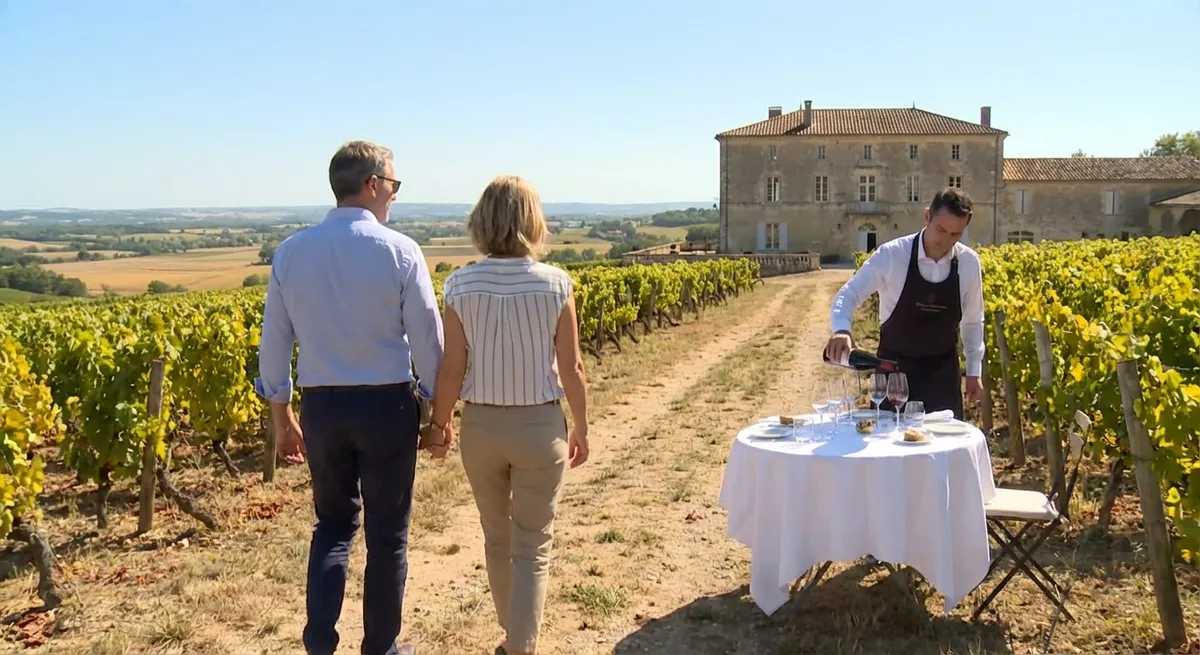
The most unforgettable vineyard experiences extend beyond your final glass. Consider what happens after the tasting officially ends. Are you gently ushered out, or invited to linger—perhaps in a private lounge, on a secluded terrace, or among the vines themselves with a final pour? World-class estates understand that it is often the last fifteen minutes, not the featured flight, that determine whether you remember a place with passing fondness or lasting affection.
Look for wineries that curate a sense of place beyond the standard tour: library tastings of older vintages that reveal how the wines evolve, thoughtfully paired small bites that highlight texture and structure, or simply a quiet corner with a view designed for reflection rather than selfies. When you leave, you should feel that your time there could not have happened in exactly the same way anywhere else. That is the hallmark of a truly elevated vineyard visit: a lingering connection that follows you home, every time you open a bottle from that estate and are instantly transported back to the light, the air, and the unspoken care behind your experience.
Conclusion
For discerning wine travelers, a vineyard visit is no longer just about checking a region off a list or filling a suitcase with bottles. It is about seeking places where every detail—arrival, landscape, cellar, hospitality, and farewell—has been orchestrated with quiet precision. When you learn to read these subtle cues, you unlock a deeper level of appreciation, both for the wine in your glass and for the craftsmanship that surrounds it.
Wine Tour Adventures exists to help you find those rare estates where hospitality rises to the level of an art form. With each visit, you’re not merely touring vineyards—you’re curating a personal library of places, moments, and bottles that define how you experience wine at its most refined.
Key Takeaway
The most important thing to remember from this article is that this information can change how you think about Vineyard Visits.