The most memorable encounters with wine rarely happen at a crowded tasting bar. They unfold in hushed barrel rooms, on wind-brushed terraces overlooking single parcels of vine, and at tables where the winemaker pours from bottles that never reach public release. Premium wineries are no longer simply destinations; they are curated worlds in which time, craft, and place are orchestrated with quiet precision. For those willing to look past the obvious labels and headline appellations, an entirely different layer of experience reveals itself—intimate, meticulous, and deliberately out of sight.
Redefining “Premium”: Beyond Price and Points
In the vocabulary of truly elevated wineries, “premium” is not a synonym for expensive; it is a synonym for considered.
At the highest level, what distinguishes a premium estate is the consistency of intention from vineyard to glass. It shows up in how parcels are planted for balance rather than yield, how picking dates are chosen for texture rather than sugar, and how cellar decisions are guided by patience instead of market urgency. These wineries are often surprisingly restrained in their marketing yet obsessively detailed in their viticulture and hospitality.
The guest experience is treated as an extension of the wine itself. Appointment-only visits are not about exclusion but about control—of pace, of atmosphere, of the sensory focus each guest can bring to the glass. Lighting, stemware, ambient sound, and even walking paths on the property are calibrated to support the house’s aesthetic. The result is less a “visit” and more a quiet immersion into the winery’s philosophy, where every touchpoint is curated but never showy.
The Architecture of Atmosphere: How Premium Wineries Design Emotion
At the top tier, wineries do not merely build facilities; they choreograph emotional states.
Architecture and landscape are deployed with the same nuance as oak and lees. A long, understated entry drive serves as a decompression chamber from the outside world. A low, almost monastic facade might open into a soaring glass atrium framing a single, ancient vine. Barrel rooms are lit to reveal texture in wood and stone, subtly reinforcing a sense of age and continuity. The goal is not spectacle but resonance—an atmosphere that quiets conversation and sharpens attention.
Sound design is often overlooked, yet premium wineries treat it as essential. Gravel paths soften footsteps, water features create a consistent auditory backdrop, and private tasting salons are insulated from production noise. Even the furniture matters: chairs with the right balance of support and give, tables at a height that keeps the glass at eye level without strain. Guests may not consciously register these choices, but they feel them—and that feeling becomes part of how they remember the wine.
Five Exclusive Insights for the Attentive Wine Enthusiast
Premium wineries reveal their true character in details that casual visitors often miss. For those who pay attention, these five insights can transform a pleasant visit into a deeply informed encounter.
1. The Most Important Vineyard Is Often the Quietest
The most photogenic plots are not always the most revered. Ask to see the vineyards the estate is least inclined to show on social media: a wind-battered slope, a seemingly modest gravelly parcel, or a narrow, terraced row tucked behind the main blocks.
These are often the source of the estate’s most intellectually compelling wines—parcels where vigor is naturally limited, roots are forced deep, and ripening is marginal. Top producers may divert fruit from these sites into micro-cuvées, experimental bottlings, or library-only releases. When you taste, listen for references to “our most challenging site” or “the vineyard that never gives us much fruit but always gives us something unforgettable.” That is your cue to ask for a specific, single-parcel pour.
2. Library Bottles Reveal the Estate’s True Ambition
Prestige is rarely defined by the current release; it is measured across decades.
When offered a tasting, inquire—politely and without entitlement—about the estate’s library program. The way a winery handles its older vintages tells you more about its long-term vision than any new oak regimen or cutting-edge equipment. A serious cellar will maintain deep verticals, not for display, but for internal benchmarking and for guests prepared to engage with evolution rather than novelty.
Pay attention to how they speak about older wines: are they described in terms of structure, tertiary aromatics, and textural development, or simply as “special” and “rare”? The former indicates a cellar that understands time as an ingredient, not an accident. If you are fortunate enough to taste a mature bottle, note how it reframes your understanding of the current release; premium wineries craft today’s wine with that future in mind.
3. Barrel Rooms Are Libraries of Intention
Barrels are not just vessels; they are annotated manuscripts of the vintage.
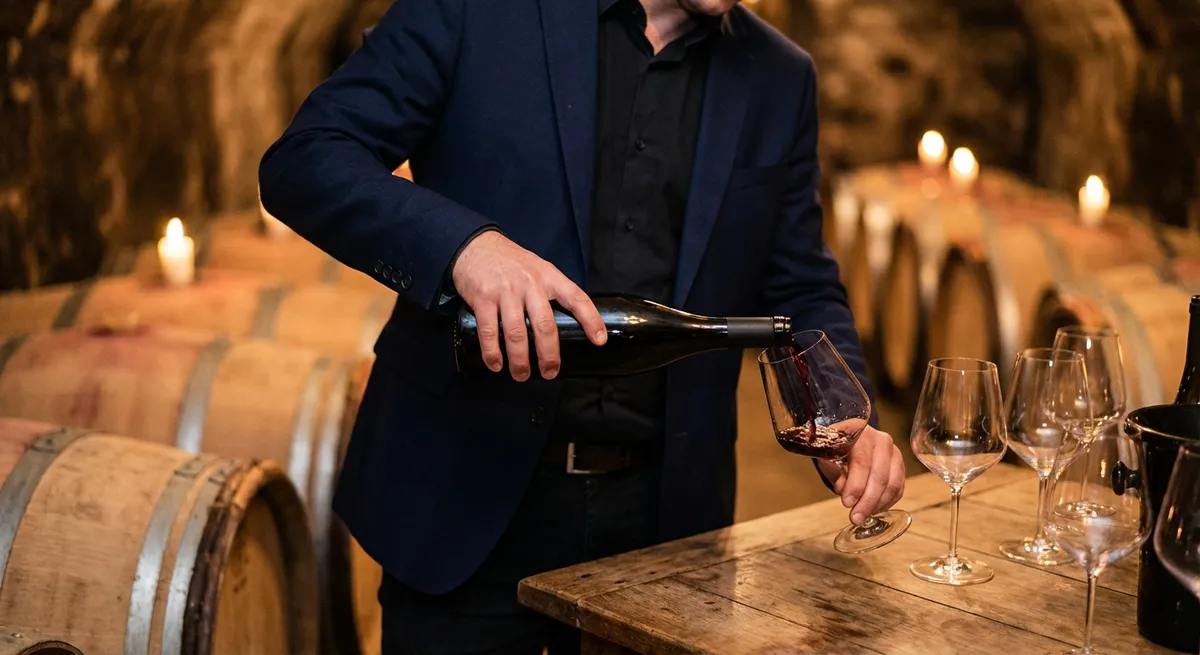
In a premium cellar, diversity in cooperage, toast level, and origin is intentional rather than decorative. Look for chalk marks, coded symbols, and handwritten notes on barrel heads—these are the marginalia of the winemaker’s thought process. Ask which barrels are destined for the grand vin, which for second wines, and which may never see bottle at all. The most meticulous estates will happily explain which parcels are aged in larger, neutral casks to preserve tension, and which receive finer-grained, lightly toasted oak for aromatic refinement.
When you taste from barrel (a privilege rarely extended but unforgettable when offered), focus less on “liking” the sample and more on mapping its role: Is this the structural backbone? The aromatic lift? The mid-palate flesh? Premium blending is architectural; each component is built with a precise role in mind. Seeing that structure mid-construction is one of the most revealing experiences an enthusiast can have.
4. The Most Valuable Conversations May Be with the Vineyard Team
The winemaker often receives the spotlight, but the deepest truths about an estate usually come from those who walk the vines every day.
If you have the opportunity to speak with the vineyard manager or viticulturist, pay close attention. Their language will reveal the estate’s priorities: do they talk about yields per hectare, or about canopy architecture, soil microbiology, and root depth? Are they experimenting with cover crops, composts, or regenerative practices—not as marketing, but as a response to the specific challenges of their site?
Premium wineries increasingly view vineyards as living systems rather than raw material sources. When you hear about block-by-block picking, selective replanting with massal selections rather than clonal uniformity, or the decision to sacrifice volume in difficult years, you are hearing the quiet grammar of excellence. Each of those decisions arrives, eventually, in your glass.
5. Hospitality Rituals Are a Mirror of the House Style
The choreography of service often echoes the personality of the wines.
A house known for taut, mineral-driven whites and structured reds may favor calm, almost ascetic hospitality: uncluttered tables, neutral tones, classical stemware, silence between pours to let the wine speak. Another estate specializing in generously textured, aromatically opulent wines might lean into warmer interiors, tactile materials, and a more conversational style of hosting.
Notice the order of the flight, the pacing between wines, the temperature at which they are served, and how much context you are given before versus after tasting. Are you invited to discover first, then informed? Or guided step-by-step? Premium wineries design these rituals to complement the wines’ architecture. Learning to read those cues not only deepens your understanding of the estate but trains your palate to connect environment with expression.
Curating Your Own Premium Winery Experiences
Access to exceptional wineries is less about status than about intention.
Thoughtful preparation goes a long way: reach out well in advance, articulate your interests with precision (ageing, terroir, specific varieties, or cellar practices), and signal that you are there to learn, not to collect bragging rights. Premium estates appreciate guests who ask focused, respectful questions and who listen as carefully as they taste.
Consider narrowing your itinerary instead of expanding it. One deeply immersive, half-day visit at a single estate—with time to walk vineyards, explore the cellar, and revisit key wines—will often be more rewarding than racing through multiple properties. Schedule your tastings with natural breaks; allow your palate and your mind to reset between estates. Bring a notebook or use a discreet digital method to record impressions, not just of the wines but of the vineyard light, the ambient scents, the textures of stone and wood. These sensory details are part of the story each bottle is trying to tell.
In the end, the most refined experiences at premium wineries are not about exclusivity for its own sake. They are about alignment: between place and person, vineyard and glass, the estate’s philosophy and your curiosity. When those elements converge, the memory outlasts the vintage—and every future bottle from that producer becomes, in a sense, a return visit.
Conclusion
Premium wineries exist at the intersection of craft, time, and restraint. Their true luxury is not surface glamour but depth: of vineyard work, of cellar judgment, of sensory intention. For enthusiasts willing to look beyond price tags and ratings, a more nuanced world appears—one in which the quietest vineyard may hold the loudest truths, where a chalk mark on a barrel reveals more than a glossy brochure, and where a well-timed conversation in the rows can reshape your understanding of an entire region.
By approaching these estates with attentiveness, patience, and informed curiosity, you move past passive tasting into participation. Each visit becomes a dialogue with place and philosophy, each pour a chapter in a longer narrative. That, ultimately, is the real privilege of stepping beyond the cellar door: discovering that the finest wines are not merely consumed; they are experienced, contemplated, and remembered.
Sources
- Wine Institute – World Wine Production and Consumption – Industry data providing context on global wine production and positioning of premium segments
- UC Davis Department of Viticulture and Enology – Educational resources on viticulture and winemaking practices that underpin premium wine quality
- Harvard T.H. Chan School of Public Health – Wine and Health – Research-based overview of wine consumption and health, relevant to understanding moderation and lifestyle framing
- Decanter – Inside the World’s Best Wineries – Insightful reporting on leading estates and what differentiates them at the top level
- Robert Parker Wine Advocate – Understanding Terroir – Discussion of terroir and site expression, central to the philosophy of premium wineries
Key Takeaway
The most important thing to remember from this article is that this information can change how you think about Premium Wineries.