The world’s most distinguished wineries rarely announce themselves with spectacle. Their luxury is quiet, precise, and deeply intentional—felt in the weight of the glass, the cadence of a guided tasting, the subtle orchestration of light, space, and time. For the discerning traveler, these estates offer not just wine, but an immersion into craft, history, and terroir at its most elevated. What separates a merely “high-end” experience from a truly premium winery is found in the details most guests never see—and that is precisely where the magic lives.
The Architecture of Time: How Great Estates Shape Your Visit
At a truly premium winery, time is the most valuable—and carefully curated—luxury. The visit is never rushed; it unfolds like a well-structured tasting menu.
Your arrival is often choreographed to align with the vineyard’s own rhythm: a mid-morning introduction in the vines while the light is still gentle, a late-afternoon barrel tasting when the cellar is at its most atmospheric, a sunset glass overlooking the valley when the landscape softens into silhouette.
Appointments are spaced to ensure your experience feels discreet and unhurried. You are not part of a crowd; you are a singular guest moving through a thoughtfully plotted narrative. Tastings are sequenced with intention—sparkling or white wines to awaken the palate, structured reds in the contemplative quiet of the barrel room, library wines reserved for the finale.
Premium estates understand that time changes how a wine behaves in the glass. Hosts may revisit a pour later in the tasting to illustrate how aeration reveals new layers. The best experiences make you feel as if time has slowed around you, as if every minute has been fine-tuned to let you truly taste, absorb, and remember.
The Quiet Precision of Vineyard Craft
Behind every remarkable bottle lies an agricultural discipline that is almost monastic in its rigor. Premium wineries speak less about yield and more about balance, longevity, and integrity of fruit.
These estates often farm their most important parcels by hand, vine by vine. Pruning decisions are made with surgical care; canopy management is deployed not just for ripeness but for aromatic nuance and textural finesse. You may hear terms like “parcel selection” or “micro-plots”—an indication that the vineyard is treated as a mosaic of distinct personalities, each harvested and vinified separately before any blending decisions are made.
The most serious properties increasingly employ sustainable, organic, or biodynamic practices—not as marketing statements, but as pragmatic tools to express place more transparently. Composting, cover crops, and minimal intervention in the soil are used to maintain microbial life and root depth, which in turn influence the character and complexity of the fruit.
For the astute visitor, walking the rows is an education in quiet precision: the distance between vines, the chosen trellising system, the orientation to the sun—all subtle decisions that ultimately shape what you taste in the glass.
Five Exclusive Insights Only the Most Attentive Guests Notice
Within this rarefied world, there are nuances that experienced wine travelers learn to recognize and savor. These five insights distinguish a truly premium winery visit from a merely polished one.
1. The Stemware Is a Deliberate Conversation
At the finest wineries, the glass is never an afterthought. You may notice that a single tasting involves multiple shapes, each chosen for a specific varietal or style. Burgundy stems for Pinot Noir, more tapered bowls for aromatic whites, larger Bordeaux glasses for structured reds.
Premium estates understand that glassware influences perception—aroma concentration, temperature, and the way wine flows across the palate. When a host quietly swaps your glass between pours, it signals a deep commitment to showing each wine at its absolute best. The stemware becomes an unspoken dialogue between the winemaker and your senses.
2. Barrel Rooms as Instruments, Not Backdrops
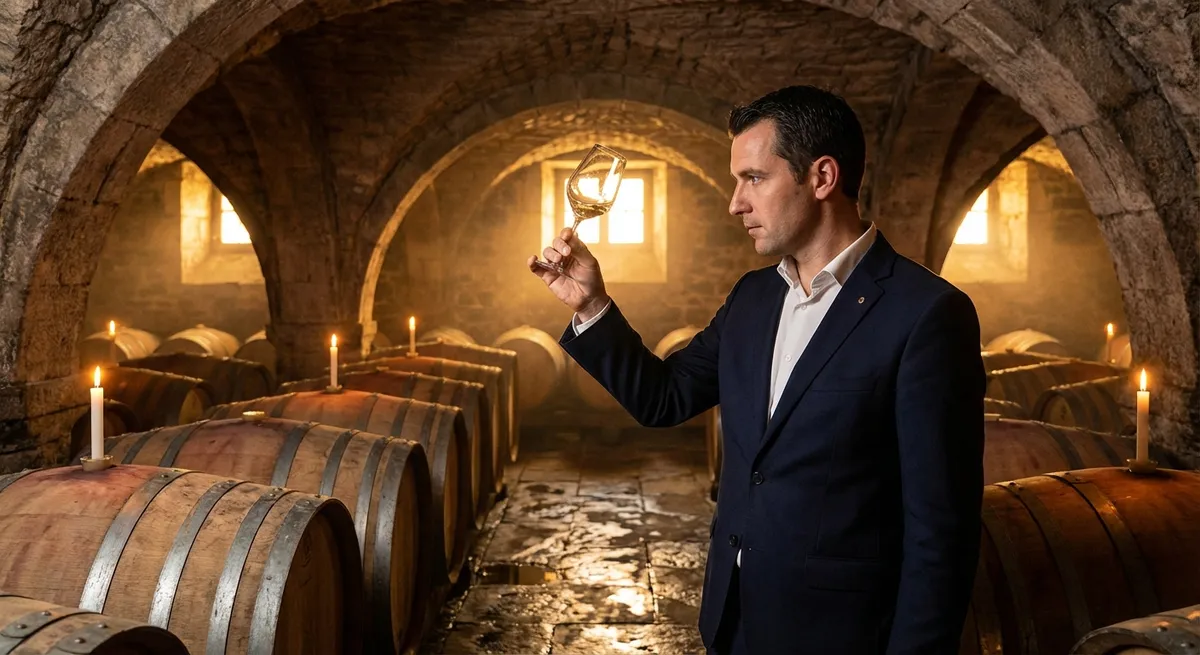
Many wineries have barrel rooms; only a fraction treat them as precisely tuned environments rather than decorative spaces for photographs. In a truly premium cellar, the temperature and humidity are stable, the air almost meditative in its stillness.
Notice the diversity of barrels: different coopers, varying levels of toast, and a mix of new and seasoned oak—each selected to accentuate, not overpower, the wine’s character. You may even see large-format oak casks or concrete vessels alongside traditional barrels. This quiet variety signals a nuanced, experimental approach: the winery is tailoring the élevage to each lot, using oak as a brushstroke rather than a blanket.
A guided barrel tasting—especially when you are invited to compare multiple barrels of the same vintage—offers a rare glimpse into the precision that defines the finished blend.
3. The Soundtrack of the Estate Is Intentionally Soft
In distinguished wineries, sound is curated with the same care as light. Music, if present at all, is subdued and carefully chosen; the dominant notes are the gentle echo of footsteps, the faint hum of cooling systems, the rustle of leaves outside.
This acoustic minimalism is not accidental. It encourages focused tasting, quiet conversation, and a kind of sensory presence that allows subtleties in the glass to emerge. In many of the world’s great cellars, you will sense an almost chapel-like reverence—an unspoken understanding that this is a place of both craft and contemplation.
4. Hospitality as an Extension of the House Style
Premium wineries rarely outsource their storytelling. The person guiding your tasting—whether a senior host, sommelier, or family member—is often deeply embedded in the estate’s culture. Their cadence, word choice, and personal anecdotes reveal as much about the winery’s identity as the labels on the bottles.
Pay attention to what is emphasized: origin of the clones, history of the parcel, philosophy of blending, or long-term aging potential. This focus mirrors the house style. A producer that lingers on minerality and soil types often pursues precision and tension in its wines; one that speaks passionately about tannin management and barrel regimes may prioritize structure and longevity.
In the most refined settings, hospitality feels less like service and more like being welcomed into a private world that you are trusted to understand.
5. The Library Is the True Measure of Ambition
If you are invited to taste from the winery’s library—their carefully preserved collection of older vintages—you have been granted access to their deepest statement of intent.
Maintaining a library is expensive and logistically complex. It reflects confidence that the wines are built to evolve gracefully and a desire to preserve a historical record of each vintage. Tasting an aged bottle allows you to experience the estate’s philosophy in time-lapse: how youthful concentration unravels into tertiary complexity, how tannins soften, how aromatics shift from primary fruit to more contemplative notes of earth, spice, and dried flowers.
A winery that generously opens mature bottles is signaling both pride and patience—two traits that lie at the heart of truly premium wine.
Curated Journeys: Designing Your Own Elevated Wine Tour
For travelers, the distinction between a good and an exceptional wine itinerary often lies in the level of curation.
Begin by seeking estates that prioritize appointments over drop-in traffic; this usually indicates a focus on depth rather than volume. When reaching out, inquire not just about tasting flights, but about experiences: vineyard walks, cellar explorations, comparative tastings of different parcels, or verticals spanning several vintages.
Consider structuring your day with intention: one morning visit dedicated to terroir and viticulture, an afternoon appointment centered on winemaking and barrel work, and a final estate known for its library wines and contemplative tastings. Allow space between visits for reflection; premium wineries reward a slower pace and an attentive palate.
A well-designed tour becomes more than a sequence of stops—it becomes a coherent study of a region’s possibilities, viewed through the lens of its most ambitious producers.
Conclusion
The world of premium wineries is defined less by spectacle and more by refinement: the calibration of time, the quiet rigor in the vineyard, the near-obsessive attention to detail in the cellar, and the intimate, unhurried way guests are received. For the traveler willing to look beyond the obvious, these estates offer a rare privilege—the chance to witness excellence not as performance, but as a way of life.
The most memorable wine journeys are not about how many tastings you fit into a day, but about the depth of connection you cultivate with a handful of truly distinguished places. In those spaces, every pour is not just a drink, but a distilled expression of land, season, and human intent—crafted to be savored slowly, and remembered long after the last glass is empty.
Sources
- Wine Institute – Sustainable Winegrowing - Overview of sustainable practices increasingly adopted by premium wineries
- University of California, Davis – Viticulture and Enology - Educational insights into grape growing and winemaking at a leading research institution
- Decanter – Guide to Oak in Winemaking - Detailed explanation of barrels, coopers, and oak influence used by top estates
- GuildSomm – The Cellar Environment - Professional resource on cellar conditions, aging, and storage for fine wine
- Napa Valley Vintners – Appellation and Terroir - Insight into how leading regions articulate terroir and vineyard-specific character
Key Takeaway
The most important thing to remember from this article is that this information can change how you think about Premium Wineries.