Wine touring today is no longer confined to a quick tasting at a crowded bar and a polite walk past oak barrels. For the discerning traveler, it has evolved into a curated exploration of place, craft, and time—a series of carefully orchestrated moments that reveal the soul of a region in each glass. When approached with intention, a wine tour becomes less about “checking off” wineries and more about understanding how landscape, climate, tradition, and innovation converge into something genuinely memorable.
Designing a Journey Around Terroir, Not Postcards
Sophisticated wine travel begins with a shift in focus: away from famous postcard views and toward terroir-driven experiences. Rather than planning your itinerary around name recognition, consider how altitude, soil composition, and microclimate shape the character of the wines you’ll encounter. An afternoon moving from valley floor vineyards to hillside plots, for instance, will reveal more about a region’s complexity than visiting three similarly styled estates along the same road.
The most rewarding itineraries often pair contrasting subregions—marine-influenced versus continental, clay-rich soils versus rocky slopes, older vines versus experimental plantings. This contrast doesn’t just diversify your tasting notes; it deepens your grasp of why certain grapes thrive in specific conditions. A thoughtfully constructed terroir-focused route transforms your journey into a comparative masterclass, where every stop enriches the narrative of place.
Five Exclusive Insights for the Discerning Wine Traveler
For those seeking a more elevated experience, a few nuanced strategies can quietly transform an ordinary day of tastings into an unforgettable exploration.
1. Request Vertical Tastings to “Read” a Winery’s History
Horizontal tastings (multiple producers from the same vintage) have their merits, but vertical tastings—multiple vintages of the same wine from a single estate—offer a privileged window into a winery’s evolution. By tasting, say, the 2012, 2015, 2018, and 2021 of one flagship cuvée, you can trace seasonal variations, stylistic decisions, and the impact of vine age.
Not all wineries advertise verticals, but many will arrange them upon request, particularly for serious enthusiasts or smaller, hosted groups. When available, ask the host how changes in weather, vineyard practices, and cellar techniques are reflected in the glass. What emerges is a layered narrative: not just what the wine is, but who the estate has become over time.
2. Seek Out “Library” and Allocation-Only Bottlings
Behind the public-facing tasting menu, many premium properties maintain a “library” of older vintages or tiny-production wines typically reserved for members, collectors, or special occasions. These bottlings often express the estate’s most ambitious work—single-parcel expressions, experimental fermentations, or rare varieties no longer in production.
A quiet, informed inquiry—“Do you have any older vintages or allocation-only wines available for a small pour?”—can unlock a tasting that feels truly singular. Be prepared that these pours may be offered at a premium; consider them an investment in an experience you are unlikely to replicate elsewhere. For dedicated enthusiasts, these moments often become the emotional apex of the visit.
3. Arrange Time in the Vineyard, Not Just the Tasting Room
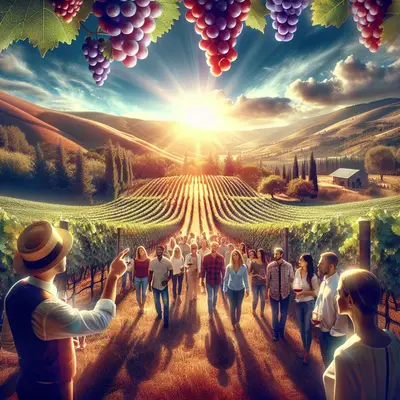
Cellars tell you how a wine is made; vineyards tell you why it tastes the way it does. A private walk among the vines, ideally guided by a viticulturist or winemaker, offers access to the decisions that shape a wine long before harvest: pruning styles, canopy management, planting density, and soil stewardship.
Observing sun exposure, slope, and wind firsthand allows you to connect sensory impressions in the glass with physical realities underfoot. Ask to compare grapes from different parcels or to see how older vines differ from younger plantings. For travelers who appreciate nuance, this vineyard immersion yields a level of understanding—about structure, minerality, and age-worthiness—that no tasting note alone can provide.
4. Prioritize Visits During “Quiet” Windows
While harvest season has its own kinetic charm, it can also mean full calendars, crowded tasting rooms, and limited face time with the people who shape the wines. Off-peak visits—midweek, shoulder seasons, or mornings—often result in slower, more considered experiences, where staff can linger tableside and answer deeper questions.
In these quieter windows, you’re more likely to encounter the winemaker stepping out of the cellar, a proprietor with time to share the estate’s history, or an impromptu barrel sample. The pace softens, the dialogue deepens, and you gain a sense of being a guest rather than a number in a busy schedule.
5. Pair Culinary Moments with the Estate’s “True Voice”
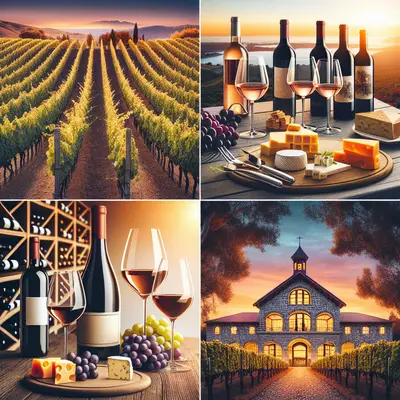
Many premium wineries now offer food pairings, but the most enlightening experiences go beyond generic cheese boards and grazing platters. Look for estates that collaborate with local chefs or culinary teams to create dishes that respond specifically to the structure and aromatics of their wines—regional seafood with saline, high-acid whites; slow-braised meats with textured, tannic reds; or precisely seasoned vegetable courses to echo herbal or floral notes.
When thoughtfully executed, these pairings become interpretative tools, highlighting facets of the wine that might otherwise remain subtle: a whisper of bitter almond in the finish, a thread of savory spice, the way acidity cuts through richness. You leave not only satisfied but with a more sophisticated vocabulary for articulating what you taste.
The Quiet Luxury of Intentional Tasting
At the heart of refined wine touring lies an unhurried, attentive mindset. Resist the urge to rush from estate to estate; three thoughtfully chosen visits in a day can be more rewarding than six hurried stops. Allow time between appointments for reflection, palate rest, and the simple act of absorbing the landscape.
Within each tasting, approach the wines as a sequence rather than a lineup. Note how the progression is curated—lighter to fuller, younger to older, or by vineyard site. Ask why the host chose this order; their reasoning often reveals the estate’s philosophy. Pay attention to texture as much as flavor, and to how your perception shifts from the first sip to the last.
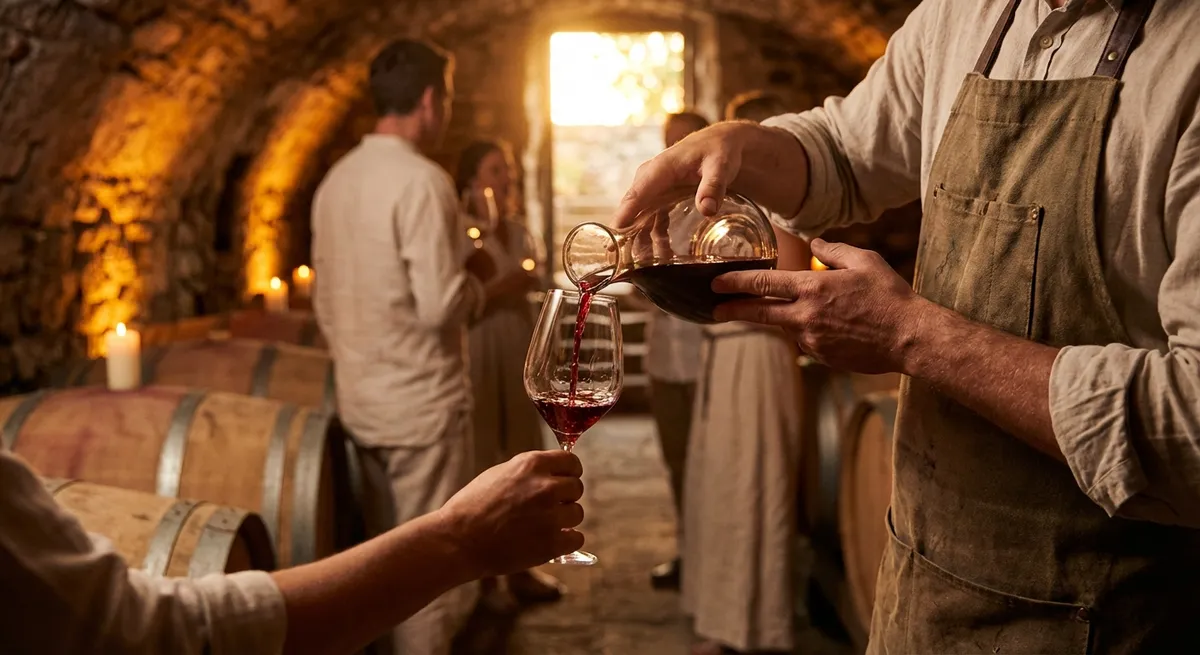
Subtle details—glassware chosen for specific wines, serving temperatures, decanting decisions—are small but telling markers of quality. They signal that the estate is not merely pouring wine, but staging a considered experience. Respond in kind: taste slowly, ask focused questions, and let your curiosity guide you deeper than the printed tasting notes.
Elevating the Journey Beyond the Bottle
A truly memorable wine tour lingers long after the last glass is poured. Save tasting sheets, note particular parcels or vintages that resonated, and photograph labels alongside landscapes so you can later reconnect wine to place. When you open those bottles at home, you won’t just recall flavor; you’ll recall the light that afternoon, the scent of the cellar, the cadence of the winemaker’s voice.
For the enthusiast seeking more than a casual day out, wine travel becomes an ongoing dialogue with regions and estates you come to know intimately over years. Each return visit offers a new chapter: evolving vintages, maturing vines, and your own developing palate. In this way, the art of the immersive wine journey is less about consumption and more about cultivation—of knowledge, of appreciation, and of enduring connection.
Conclusion
The most refined wine tours are not defined by how many wineries you visit or how prestigious their names sound, but by the depth of understanding and pleasure you derive from each carefully chosen stop. By focusing on terroir rather than tourism, seeking privileged tasting formats, stepping into the vineyards, traveling at quieter times, and embracing thoughtful food pairings, you elevate your journey from pleasant to profound.
For those who view wine as a lens through which to experience culture, geography, and craftsmanship, these subtle shifts transform a simple itinerary into an artfully composed adventure—one that honors both the wines in your glass and the stories that brought them into being.
Sources
- Wine Institute – Wine Travel & Tourism – Overview of wine tourism trends and the role of wineries in visitor experiences
- Napa Valley Vintners – Terroir & Climate – Detailed explanation of how climate, soil, and geography influence wine in a major region
- Bordeaux Wine Council (CIVB) – Understanding Terroir – Insight into the relationship between terroir, vineyard practices, and wine style
- UC Davis Department of Viticulture and Enology – Educational resources on viticulture and winemaking that inform deeper technical understanding during tours
- Decanter – What Is a Vertical Tasting? – Explanation of vertical tastings and why they matter for serious wine enthusiasts
Key Takeaway
The most important thing to remember from this article is that this information can change how you think about Wine Tours.