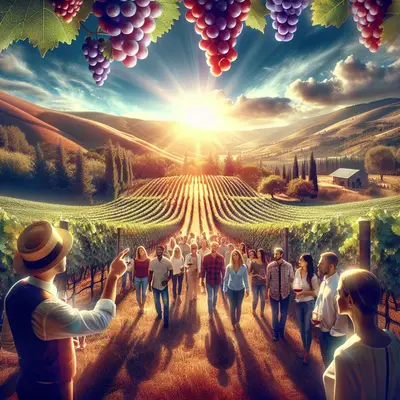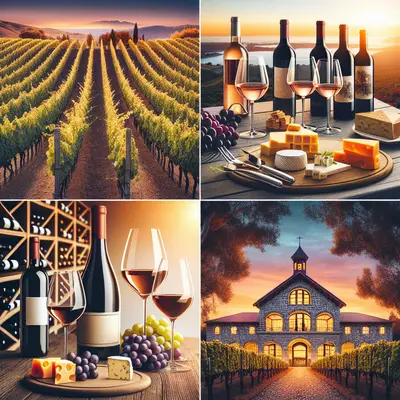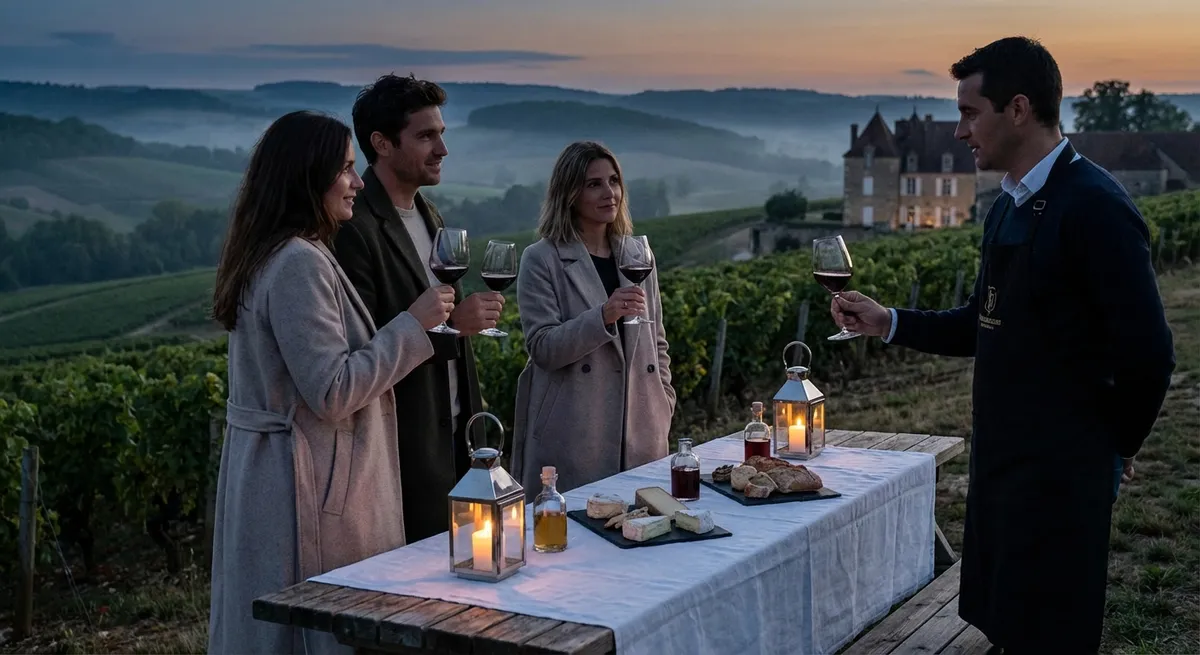
There is a moment on an exceptional wine tour when time seems to slow: the light shifts over the vines, a glass is poured in contemplative silence, and suddenly a place, a vintage, and a vision all align. This is where wine travel transcends tourism and becomes a cultivated pursuit. For discerning enthusiasts, the goal is no longer to visit “as many wineries as possible,” but to curate experiences that reveal the deeper architecture of wine—its geology, its craftsmanship, its culture, and its quiet luxuries.
Below, we explore how to shape wine tours that feel less like itineraries and more like bespoke narratives—complete with five exclusive insights designed for those who seek more than just a pleasant afternoon tasting.
Designing a Journey, Not an Itinerary
The most memorable wine tours are composed with the same intentionality as a grand cuvée: layers, structure, and a clear sense of progression. Rather than plotting a series of stops on a map, begin with a guiding theme. Perhaps you want to understand the interplay of altitude and acidity in Argentina’s Uco Valley, trace limestone’s influence in Burgundy, or explore how coastal fog shapes Chardonnay along California’s Sonoma Coast.
Consider pacing as a luxury in itself. Three thoughtfully chosen estates in a day, with adequate time for conversation, contemplation, and travel, will always feel more refined than racing through six hurried tastings. Build in spaces of stillness: a vineyard walk at golden hour, a lunch overlooking terraced slopes, or a quiet library tasting to recalibrate your palate.
Transportation is another subtle marker of quality. A private driver, whether in a discreet sedan or a comfortable van, not only ensures safety but reinforces a sense of ease and continuity; you are not simply moving from one destination to another—you are carried through a narrative.
Five Exclusive Insights for the Devoted Wine Traveler
For those who approach wine with rigor and curiosity, nuance is the ultimate luxury. These five insights can transform a standard tour into a deeply informed, quietly extraordinary experience.
1. Trace the Bedrock, Not Just the Brand
Esteemed labels may draw you to a region, but it is the ground beneath the vines that ultimately defines the wine. Before visiting, study the geology: volcanic basalt in the Douro, Kimmeridgian limestone in Chablis, decomposed granite in the Cape. When you arrive on site, ask to see soil pits or cross-sections if available, or request a short walk into the vines rather than remaining at the tasting bar.
Observe how the soil shifts within a single estate—rocky upper slopes, deeper alluvial fans, bands of clay or marl. When tasting, note whether wines from different parcels reveal textural differences: chalky grip, saline edges, or a more generous mid-palate. Aligning what is in the glass with what lies underfoot is one of the most rewarding—and advanced—dimensions of wine touring.
2. Seek Time with the Vineyard Team, Not Only the Winemaker
Winemakers often occupy the spotlight, but viticulturists and vineyard managers hold the daily, tactile relationship with the vines. If you arrange private or semi-private visits, request even a brief conversation with the person overseeing the vineyard.
Ask how they manage canopy shading in increasingly warm seasons, how they decide picking dates in challenging vintages, or how old vines behave in years of drought. Notice whether they speak in generalities or with precise detail about specific parcels and rows. Their answers offer a candid window into the estate’s philosophy: is it driven by cosmetic perfection, or by thoughtful responsiveness to each growing season?
This layer of dialogue not only deepens your appreciation of the wines you taste that day—it also sharpens your ability to discern authenticity across future tours.
3. Taste Vertically to Understand a Place Through Time
Most visitors encounter a producer’s range horizontally—sampling different cuvées from a single vintage. For a more profound understanding, inquire whether a vertical tasting (multiple vintages of the same wine) is available, even in a limited form.
A vertical reveals how a single terroir converses with time: how cool, marginal vintages manifest in tension and restraint; how warmer years translate into broader textures or elevated alcohol; how older bottles resolve tannins into silk while preserving or shedding their aromatic core.
When tasting, focus on structure and evolution rather than power. Does the wine maintain its signature silhouette across vintages? Are the aging bottles gaining complexity without losing energy? These observations are invaluable in guiding future cellaring decisions and in distinguishing truly ageworthy wines from merely fashionable ones.
4. Observe the Silences: Service, Glassware, and Temperature
The refinement of a wine tour is often revealed in details that are never announced. Notice whether the staff quietly checks and adjusts serving temperature as the tasting progresses, or whether opened bottles linger too long in the sun or a warm room. Pay attention to glassware: are different shapes offered for sparkling, white, and structured reds, or is a single generic glass used for all?
Subtle rituals matter too. Are corks inspected and discreetly set aside for you to examine? Are tasting portions calibrated so that you can swirl, smell, and revisit without excess? Do hosts allow for contemplative silence between pours instead of rushing through rehearsed monologues?
These unspoken elements—precision of service, respect for the wines, and the ability to sense when to speak and when to step back—are hallmarks of an estate that treats hospitality as an extension of its craftsmanship.
5. Pair Wines with Place, Not Just with Food
Food pairings are increasingly common at high-end wineries, but the most memorable harmonies often come from aligning wine with its surrounding landscape. When given the option, choose experiences that situate you within the environment: a comparative tasting facing the slopes where each parcel is planted, a glass served on a terrace overlooking a river that moderates the vineyard’s climate, or a barrel sample enjoyed in the cool hush of the cellar where it rests.
Use these moments to make mental associations between sensory impressions and physical context: the lift of acidity with the sharpness of mountain air; the breadth of a sun-drenched red with the warmth radiating from stony terraces at midday. Over time, these associations become an internal library, enabling you to recall not only the flavors of a wine, but the feeling of its origin.
Curating Discreet Luxury in Your Wine Travels
Luxury in wine tourism has evolved beyond opulence and spectacle. The contemporary, refined approach favors understatement: a perfectly timed appointment when the estate is quiet, a simple but impeccably prepared lunch with seasonal ingredients, or a tasting held in a reserved salon where conversation can unfold without haste.
Prioritize experiences that limit crowding and noise—appointment-only visits, small-group or private tours, and tastings hosted by senior staff. Consider aligning your travel dates with less frenetic periods in the wine calendar: just before harvest, when anticipation hangs in the air, or in the calm winter months, when the vines rest and conversations can be longer and more reflective.
Above all, embrace the idea that the rarest luxury is attentiveness. Take notes not only on the wines, but on weather, light, and mood. Keep a dedicated travel journal or digital log where you pair tasting impressions with maps, photos, and brief reflections. Over years of journeys, this archive becomes a deeply personal atlas of your relationship with wine.
Conclusion
A truly elevated wine tour does not hinge on how many bottles you taste, how grand the architecture, or how exclusive the address. Its essence lies in the clarity of intention, the depth of your questions, and the quality of quiet moments you allow yourself among the vines and barrels.
By seeking insight beneath the surface—into soils and seasons, into the hands that tend the vines, into the subtleties of service and setting—you transform each visit into an encounter with place, time, and craft. In doing so, your travels become more than a series of charming days in beautiful regions. They become a long, unfolding conversation with the world of wine itself—measured one thoughtful glass, and one extraordinary visit, at a time.
Sources
- Wine Tourism: Trends and Opportunities - International Organisation of Vine and Wine overview of global wine tourism developments and practices
- Understanding Terroir in Wine - Wine Folly’s detailed explanation of terroir, including soil, climate, and topography influences
- Vertical Wine Tasting: Why Vintages Matter - Decanter’s guide to vertical tastings and what they reveal about wines over time
- Serving Temperature and Glassware for Wine - Wine Spectator’s recommendations on optimal serving temperatures and their impact on wine
- Climate Change and Viticulture - UC Davis insights on how changing climate conditions affect grape growing and wine styles
Key Takeaway
The most important thing to remember from this article is that this information can change how you think about Wine Tours.