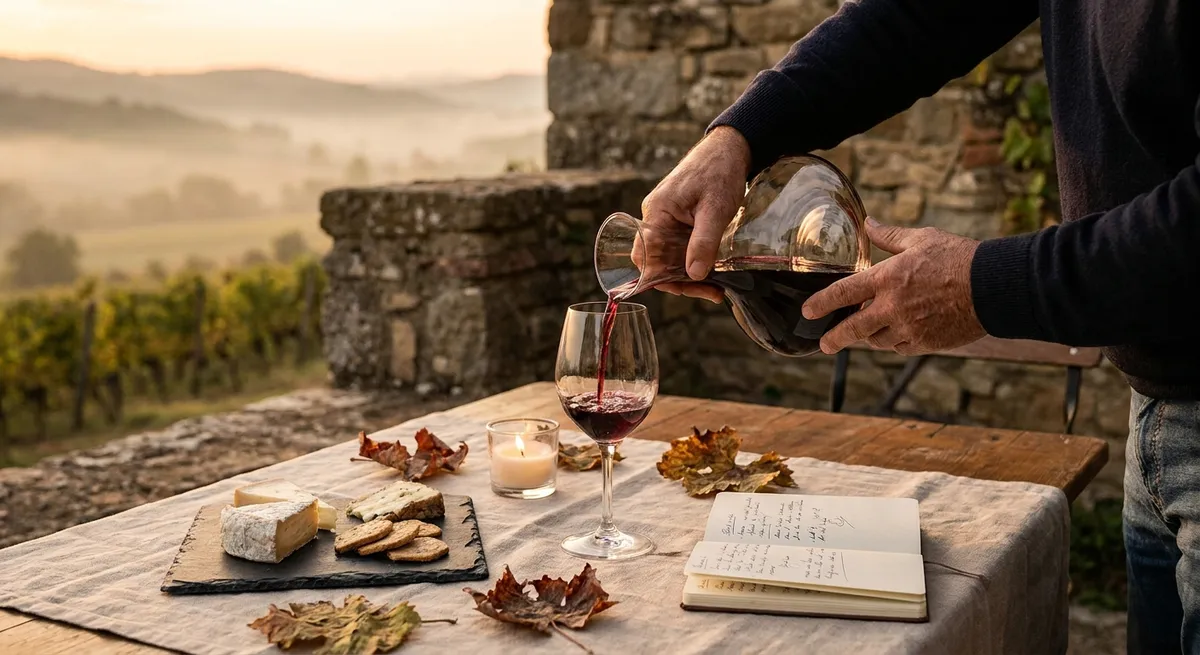
There is a moment on a vineyard visit when time seems to loosen its grip: the light settles over the vines, a faint breeze lifts the scent of crushed leaves, and the glass in your hand becomes less an object and more a lens into place, season, and craft. For the traveler who seeks depth rather than spectacle, vineyard visits are no longer about ticking off wineries, but about entering a conversation with land, people, and tradition. This is the quiet luxury of wine travel: refinement not in excess, but in insight.
Below, we explore five exclusive, often-overlooked facets of vineyard experiences that resonate with serious wine enthusiasts—details that change how you taste, how you listen, and how you remember each estate long after you’ve left the gravel drive behind.
Reading the Landscape: Learning to See the Vineyard Itself
Long before a wine reaches the glass, its character is etched into the landscape. On a truly considered vineyard visit, the vines become a kind of open-air library, and learning to read them is part of the experience.
Observe slope and exposure first. A south- or southwest-facing site in the Northern Hemisphere typically receives warmer, more consistent sun, often yielding riper fruit and richer textures in the glass. Steeper slopes, common in regions like the Mosel or Douro, offer superior drainage and greater diurnal swing, which can translate into heightened aromatics and tension on the palate. Ask your host to show you how temperature, wind patterns, and altitude vary across their parcels; a guided walk can reveal why two wines from adjacent blocks feel remarkably distinct.
Pay close attention to the soils beneath your feet. Many top estates will happily show you pits or core samples—layers of clay, limestone, gravel, schist, or volcanic ash that shape both structure and flavor. Fine, chalky limestone is often linked with linearity and length, while deeper clays may lend breadth and plushness. Once you’ve stood where the roots delve, tasting later in the cellar becomes more than a sensory exercise; it becomes recognition.
For the enthusiast, the vineyard stop should not be a photo backdrop. It is the most eloquent chapter of the story—one written silently into the contours of the land, waiting to be read.
Seasonality as a Lens: Choosing When to Visit, Not Just Where
Most travelers default to the drama of harvest, with its full sorting tables, fragrant fermentations, and a palpable sense of urgency. While harvest is undeniably thrilling, viewing a vineyard across different seasons reveals subtler, more exclusive layers of understanding.
In late winter, a dormant vineyard exposes its structure. Pruning cuts are freshly made, and you can see how each estate shapes its vines—Guyot, cordon, bush vines—decisions that will define yields, ripeness, and canopy throughout the year. This is when serious enthusiasts can engage in elevated discussions about vine balance, longevity, and replanting strategies, topics usually overshadowed by harvest spectacle.
Spring offers a more intimate charm. Budbreak and flowering are fragile moments, and walking the rows then allows you to understand vintage risk and variability: how a late frost, a cold snap, or a rainy flowering might mark a year long before grapes appear. Conversations with growers at this time often turn to contingency planning—frost protection, disease management, canopy work—revealing the quiet, daily heroics that never make it to the label.
Even summer, often overlooked, is instructive. Experiencing veraison (when grapes begin to change color and accumulate sugar and flavor precursors) lets you appreciate the delicate dance between leaf and fruit. Time your visit with intention: each season offers a different vantage point on the same story, and the collector’s depth of understanding is built across such varied encounters.
Inside the Cellar Dialogue: Fermentation, Texture, and Time
While many cellar tours skim the surface—stainless steel tanks, neat rows of barrels—the attentive traveler seeks not just to observe but to interpret what is happening within those vessels. Fermentation and aging choices are not merely technicalities; they are aesthetic decisions that determine a wine’s texture, architecture, and age-worthiness.
When you step into a working cellar, think of it as a chorus of controlled transformations. Ask to taste the same wine from different vessels if possible: stainless steel, concrete, large foudre, or small barrel. Stainless tends to preserve pristine fruit and linearity; concrete often adds subtle roundness and a more tactile mid-palate; large neutral wood can frame the wine gently without marking it overtly with oak. Tasting the same lot from different containers, even in unfinished form, reveals how structure and texture are sculpted.
Barrel choice itself can be revelatory. Inquire discreetly about cooperages, toast levels, and the proportion of new versus used oak. Cooler-climate Pinot Noir or Chardonnay, for instance, may call for more restrained oak influence, allowing tension and nuance to shine. A nuanced conversation with the winemaker about why they have moved away from heavy new oak, or why they ferment whole clusters in certain years, can illuminate how philosophy evolves with climate, market, and vine age.
For the collector, these cellar insights inform purchasing decisions. Understanding how long a wine rested on lees, whether malolactic fermentation was encouraged or blocked, or how racking is managed can refine your expectations for aging, decanting, and ideal drinking windows—knowledge that transforms you from a buyer into a true curator of your own cellar.
Five Exclusive Insights for the Serious Enthusiast
For those who already know their appellations and varietals, these subtler dimensions can elevate a vineyard visit from memorable to transformative:
Single Parcel, Multiple Personalities
Where possible, request a comparative tasting of wines from individual plots within the same property—especially if they share a grape but differ in soil, exposure, or vine age. Tasting them side by side, you’ll perceive how even micro-variations in terroir imprint on tannin grain, aromatic detail, and length. This is terroir not as theory, but as tangible contrast in the glass.
Vine Age as a Textural Signature
Many estates distinguish between cuvées from young vines and those from old vines. Ask to taste across age if the opportunity exists. Young vines often show exuberant fruit and immediate charm; older vines may offer quieter aromatics but heightened complexity and persistence. Take note of how vine age expresses itself not only in flavor depth but in the way the wine rests on the palate—its “weight without heaviness.”
Vintage Vertical as a Window into Time and Climate
Instead of simply seeking the most recent release, inquire about a short vertical—three or four vintages of the same wine. How does a cooler year manifest versus a warmer one? Does the winemaker adapt extraction, harvest dates, or oak use in response? Such lineups reveal both climatic shifts and stylistic evolution, essential for enthusiasts navigating an era of changing growing conditions.
The Quiet Role of Elevation and Wind
Altitude and air currents, though seldom foregrounded on casual tours, are shaping forces. Vineyards at higher elevation or in wind-exposed corridors often yield wines with brighter acidity, more lifted aromatics, and slower phenolic ripening. In conversation, ask specifically how altitude and prevailing winds affect disease pressure and picking decisions—insights that help explain why certain wines show such poise, even in warmer vintages.
Beyond the Flagship: The Experimental Micro-Cuvée
Many serious estates quietly bottle tiny, experimental lots available only at the winery—field blends from a forgotten corner of the property, amphora-aged trials, or unfiltered bottlings from a singular barrel. These wines offer a glimpse into the avant-garde side of the estate’s thinking. When visiting, ask whether any “confidential” or limited micro-cuvées are available to taste or purchase; they often become the most cherished stories in a collection.
These five insights invite you to ask better questions, look more closely, and taste with a more inquisitive palate—turning each visit into a masterclass tailored to your level of curiosity.
Cultivating a More Intentional Visit: Etiquette, Access, and Memory
Access to a truly elevated vineyard experience often hinges on intention and discretion rather than ostentation. The most rewarding visits are not defined by the number of wines poured, but by the quality of exchange with the people behind them.
Booking privately, where feasible, allows time for deeper conversation and for deviations from the standard script. Share your interests in advance—cellar aging, specific grape varieties, organic or biodynamic practices—so your host can tailor the visit accordingly. Serious properties appreciate guests who arrive with informed curiosity and respect for the rhythms of their work, particularly during demanding periods like harvest.
Etiquette matters. Arriving punctually, dressing with understated elegance, and listening attentively in the cellar or vineyard set a tone of mutual respect. This often leads to moments that are not advertised: a barrel sample of a yet-unreleased wine, a walk to a particularly cherished parcel, or a candid discussion about the challenges of recent vintages.
Finally, consider how you will remember the visit. Take concise, structured notes—not only on tasting impressions but on vineyard blocks, soil types, and stylistic decisions that stood out. Photograph labels alongside brief written reflections. Over time, these records form a personal atlas of experiences, each entry anchored not just to a bottle, but to a place and a face. This is how wine travel matures into a lifelong, curated narrative rather than a series of isolated stops.
Conclusion
Vineyard visits at their most refined are less about spectacle and more about alignment: between land and climate, grower and vine, visitor and host. For the serious enthusiast, the true luxury lies in access to understanding—standing among the rows as the evening cools, discussing rootstocks and picking dates, then tasting the liquid outcome of those decisions in the hush of a stone-walled cellar.
When approached with attentiveness and a desire for nuance, each estate becomes a chapter in a larger, unfolding story of how wine is grown, not just made. And as your eye for detail and ear for nuance sharpen, vineyard visits cease to be mere excursions. They become the quiet, enduring architecture of your wine life—shaping not only what you drink, but how deeply you appreciate it.
Sources
- [University of California, Davis – Wine Grape Varieties and Climate](https://wineserver.ucdavis.edu/industry-information/wine-grape-varieties) – Overview of how climate and site factors influence grape growing and wine style
- [Cornell College of Agriculture and Life Sciences – Terroir and Vineyard Site Selection](https://grapesandwine.cals.cornell.edu/newsletters/appellation-cornell/2010-newsletters/issue-4/terroir-and-vineyard-site-selection/) – Detailed discussion of soils, slope, and microclimate in vineyard performance
- [USDA National Agricultural Library – Grape Production and Pruning](https://www.nal.usda.gov/legacy/afsic/grape-production) – Technical background on vineyard management and seasonal practices
- [Wine Institute – California’s Sustainable Winegrowing Practices](https://www.wineinstitute.org/our-work/sustainable-winegrowing) – Insight into modern viticultural choices and their impact on wine quality
- [Decanter – Understanding Oak in Winemaking](https://www.decanter.com/learn/wine-expert-answers/understanding-oak-in-winemaking-475210/) – Explains barrel choices, toasting, and their sensory effects on wine
Key Takeaway
The most important thing to remember from this article is that this information can change how you think about Vineyard Visits.