For the discerning wine enthusiast, a vineyard visit is no longer a simple tour and tasting; it is an immersion into place, craft, and time. The most rewarding experiences unfold not in crowded tasting rooms, but in quiet moments between the vines, in the cadence of cellar work, and in conversations that reveal how philosophy becomes flavor. This is the realm where vineyard visits transform from leisure to a refined pursuit—where every detail, from soil to stemware, is curated to heighten perception and deepen appreciation.
Below are five exclusive, nuanced insights designed for those who wish to approach vineyard visits with the same precision and discernment they bring to the glass.
1. Reading the Landscape: Why Walking the Vines Matters More Than the Tasting Room
The most memorable vineyard experiences begin long before the first pour. A deliberate walk through the vines—ideally with a viticulturist or winemaker—reveals information no label can convey. Note the slope of the land, the orientation of the rows, the interplay of sun and shade. Observe how closely the vines are planted and how the canopy is managed; these choices quietly dictate everything from aromatic intensity to structural tension in the wine.
Pay attention to the soils underfoot and how they change as you move across the property. A shift from stony, well‑drained parcels to deeper, richer soils can foreshadow differences in aromatic lift, texture, and aging potential. Listen for how the estate’s team describes their blocks—not just by variety, but by character: “more floral,” “more linear,” “more generous.” This vocabulary is a key to how they craft their blends. When you later taste in the cellar, you will be able to map flavors directly back to specific parcels you have physically experienced, transforming a simple tasting into a tangible sense of terroir.
2. Following the Vintage: How Timing Your Visit Changes What You Taste
When you visit a vineyard is as consequential as which vineyard you choose. A mid‑winter appointment offers quiet, contemplative insight into pruning strategies and long‑term vineyard health. Early spring reveals how a producer manages risk and optimism as buds break and weather remains uncertain. In late summer and early autumn, the estate becomes a living laboratory of decision‑making, with picking dates, sorting strategies, and fermentation choices unfolding in real time.
Sophisticated visitors align their itineraries with the vintage arc they want to understand. Visiting just after harvest, for example, allows you to taste fermentations at different stages—a tactile education in how texture and structure evolve from juice to wine. Barrel samples from several vintages, tasted side by side, provide a rare window into how a single estate navigates differing climate conditions and stylistic choices over time. Instead of merely asking, “What are your current releases?” consider asking, “Where is this estate in the rhythm of its year, and what can I learn from that moment?”
3. Decoding the Cellar: Subtle Clues in Barrels, Tanks, and Aging Philosophy
A cellar is more than an atmospheric backdrop; it is a precise instrument that shapes the final wine. Attentive visitors can read a producer’s philosophy from details that are easy to overlook. Take note of the diversity—or uniformity—of vessels: a cellar combining neutral oak, new barriques, larger foudres, amphorae, and concrete eggs is signaling a nuanced, often experimental approach to texture and aromatic expression. A cellar dominated by one type of vessel reflects a strong, intentional stylistic stance.
Ask not simply, “How long do you age your wine?” but “What changes are you seeking during élevage?” and “How do you adjust oak usage in warmer or cooler vintages?” The answers will reveal whether the winery is prioritizing purity of fruit, structure, aromatic complexity, or a balance of all three. Observe the cleanliness and organization of the space: meticulous, almost clinical cellars often correspond to precision‑driven, detail‑oriented wines, while more traditional, atmospheric caves may reflect a philosophy that embraces nuance, evolution, and gentle oxidation. These subtleties add depth to every sip you take at the end of the tour.
4. Tasting as Investigation: Elevating the On‑Site Experience
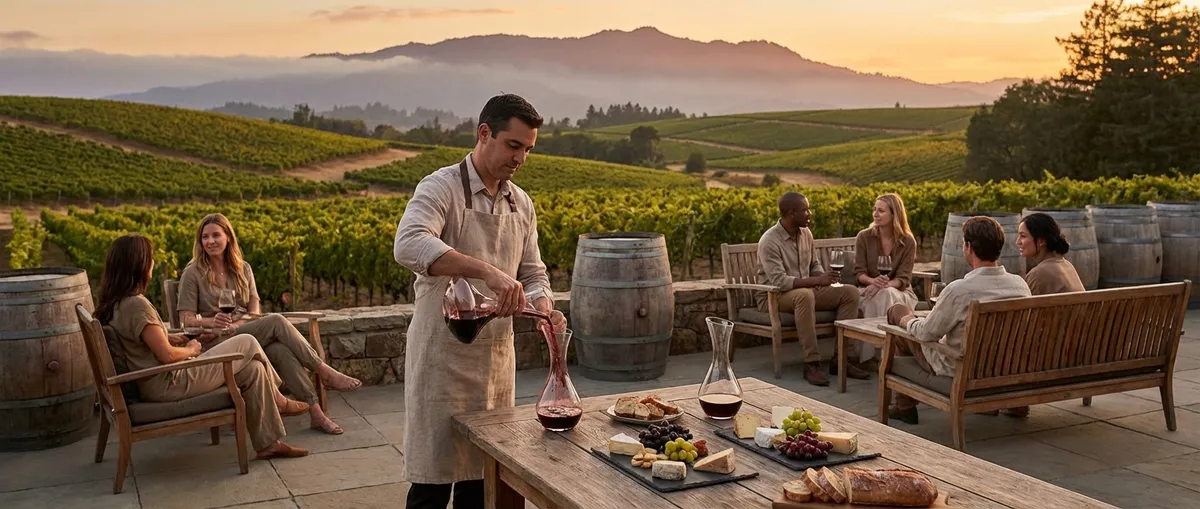
In a premium setting, a tasting is not a scripted progression; it is a conversation, ideally shaped by your curiosity. Approach the lineup not simply as a sequence from light to full‑bodied, but as a comparative study: same variety, different parcels; same parcel, different vintages; same wine, different vessels. Request to taste parallel expressions where possible—such as a single‑parcel bottling alongside the estate blend—to experience how the winemaker layers complexity.
Rather than asking broad questions like “Which is your most popular wine?” consider more investigative prompts: “Which cuvée best expresses this estate’s identity?” or “Which bottling surprised you most in this vintage, and why?” Take note of how the wines evolve in the glass over the course of the visit, especially if you are afforded the luxury of time. A refined tasting is not a race; it is an unfolding. The most insightful moments often appear in the final few minutes, when a wine has warmed slightly, the conversation has deepened, and the estate’s personality becomes truly apparent.
5. Curating Discreet Luxury: Small Details That Define an Exceptional Visit
At the highest level, luxury in wine tourism reveals itself not in ostentation, but in choreography and discretion. Private, unhurried appointments; the quiet assurance of a host who anticipates preferences; stemware selected to complement specific wines—all signal a producer’s commitment to a truly elevated experience. Notice whether your visit feels tailored to your interests: are you offered the chance to taste library vintages, explore atypical cuvées, or visit restricted sections of the vineyard?
Exquisite vineyard visits also integrate the broader sensory environment. A thoughtfully chosen neutral backdrop for tasting—perhaps natural light, minimal distracting aromas, restrained décor—allows the wines to command attention. Some estates will pair limited, carefully selected local ingredients with key wines to underscore regional identity rather than overshadow the glass. The most refined experiences are those that leave you with the impression that everything unnecessary has been removed, and everything essential has been considered. It is in this balance that true luxury resides.
Conclusion
A vineyard visit for the modern connoisseur is not merely a pleasant diversion; it is a chance to cultivate a more intimate, precise understanding of wine. By reading the landscape, aligning your visit with the rhythm of the vintage, decoding the cellar’s quiet signals, treating the tasting as a serious yet sensual investigation, and recognizing the subtle hallmarks of discreet luxury, you transform hospitality into insight. The reward is not only a deeper appreciation of a particular estate, but a more nuanced, enduring relationship with every bottle that bears its name.
Sources
- Wine Institute – California Wine Country Visitor Information – Overview of visiting wine regions, tasting room etiquette, and planning considerations
- University of California, Davis – Introduction to Viticulture and Enology – Educational perspective on vineyard management, winemaking choices, and their impact on wine style
- Bordeaux Wine Council (CIVB) – Understanding Terroir – Detailed explanation of how landscape, soils, and climate shape wine character
- Burgundy Wines – The Notion of Climat and Terroir – Insight into parcel‑specific expressions and how vineyards are divided and interpreted
- Decanter – How to Taste Wine Like a Professional – Guidance on structured tasting techniques and how to evaluate wine in a more analytical way
Key Takeaway
The most important thing to remember from this article is that this information can change how you think about Vineyard Visits.