Refined wine tasting is less a performance and more a private dialogue between place, time, and the person holding the glass. For travelers and enthusiasts who seek more than a checklist of aromas and flavors, the true luxury lies in noticing what most guests overlook. These five exclusive insights move beyond basics, inviting you to experience wine with the discretion and depth that define the world’s most sophisticated tastings.
1. The “Silent First Minute”: What Happens Before You Even Sip
The most experienced tasters rarely rush to the first taste. Instead, they observe a quiet prelude: how the wine behaves in the glass before any swirling, sniffing, or sipping.
Notice how the wine settles after pouring—does it cling to the bowl in slow, luxurious arcs, or fall back quickly and lightly? This can hint at both alcohol and texture long before it reaches your palate. Observe the color at the rim versus the core; a slight garnet halo in an older red, or a deep lemon with golden flecks in an aged white, can signal evolution and complexity.
Hold the glass still under your nose first. The static aroma—before agitation—often reveals the wine’s most fragile notes: delicate florals, subtle herbs, a faint mineral impression. Only after this silent moment should you swirl, allowing more extroverted aromas to emerge. This staged approach, quiet and unhurried, is one of the most telling distinctions between casual tasting and cultivated discernment.
2. Texture as Language: Reading the Wine by Its Feel, Not Just Its Flavor
Many tasters focus on flavor descriptors—cherry, citrus, vanilla—when in truly elevated tasting, texture often speaks more eloquently than any single aroma. The great wines of the world are rarely remembered only for what they tasted like; they are remembered for how they felt.
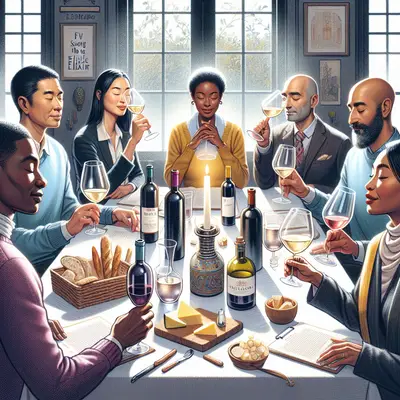
On your next tasting, close your eyes for a moment and concentrate on structure. Is the acidity a fine, vertical line that lifts the wine, or a broad, mouthwatering sweep? Do the tannins feel like brushed suede, fine chalk, or polished stone? Is the body weightless yet persistent, or dense and velvety?
You might find that your descriptors shift from fruits to fabrics and architecture: silk, linen, porcelain, velvet, lattice, spine, frame. This vocabulary of sensations is not poetic excess—it is a precise way of registering the craftsmanship of viticulture and winemaking. The most sophisticated palates often discuss “tension” or “shape” as readily as flavor; cultivate that language, and your appreciation deepens in kind.
3. The Art of Context Pairing: Matching Wines to Moments, Not Just Meals
Classic wine education emphasizes pairing with food, but seasoned connoisseurs understand that truly memorable wine experiences are often the result of pairing wine with context—time of day, light, setting, and even pace.
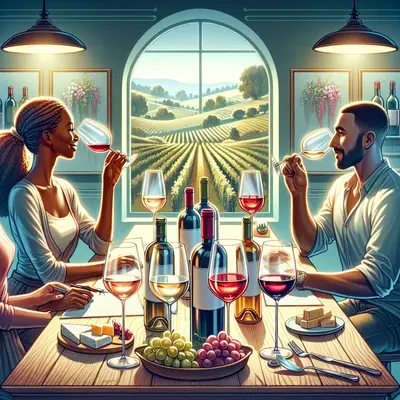
A mineral-driven, high-acid white often sings in the late afternoon, when the light softens and the air cools; a structured, contemplative red may be better suited to the quiet of late evening, when conversation has slowed and attention has sharpened. A refined sparkling wine can set the tone for anticipation at the beginning of a vineyard tour, while a mature, nuanced red might be reserved for reflection at the end of the day, ideally overlooking the vines that birthed it.
When planning a wine tour, consider more than just “what goes with dinner.” Think about how each stop, each tasting flight, and each bottle aligns with the rhythm of your day: a brisk, refreshing white after a walk through the vineyard; a textured rosé at golden hour; a complex red in a candlelit cellar. Curating wines to fit the emotional cadence of your journey transforms tasting into choreography rather than consumption.
4. Reading the Cellar: Subtle Clues That Separate Good from Exceptional
On a sophisticated wine tour, the cellar becomes as informative as the glass. How a winery cares for its bottles and barrels often reveals more than any tasting-room script.
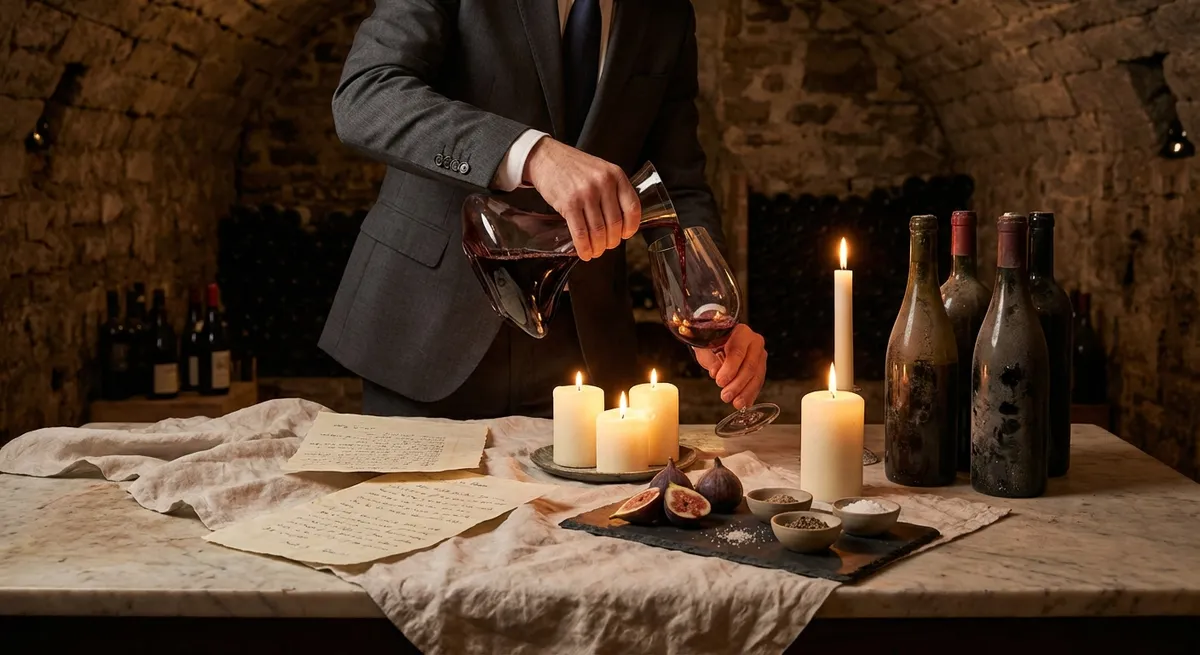
Observe temperature and humidity—not just whether it is “cool,” but whether the space feels stable and consistent. Are bottles stored horizontally, labels aligned, free from visible dust on recent vintages? In barrel rooms, note the coherence: similar barrel sizes, thoughtful arrangement, and a sense of order usually signal attention to detail.
Ask quiet, precise questions: How often are barrels topped up? What is the origin and age of the oak? How does the estate manage vintage variation? Confident, transparent answers—without rushed theatrics—suggest a philosophy rooted in long-term quality. Watching how staff handle bottles, how they pour, and how they speak about less-than-perfect vintages can be as illuminating as tasting their flagship wine. The truly exceptional properties display an understated, almost obsessive care that expresses itself in every corner of the cellar.
5. Memory as a Tasting Tool: Building a Personal Archive of Experiences
The most prized skill in advanced wine appreciation is not simply sensitivity, but memory. Refined tasters construct an internal archive of impressions—places, vintages, textures, atmospheres—and draw on it each time they encounter something new.
During your tastings, instead of rushing to common descriptors, anchor each wine to a specific memory: not just “cherry,” but “the dark cherries in a market in Florence at dusk”; not simply “minerality,” but “the scent of wet stone after rain in the vineyard you walked this morning.” Over time, this practice strengthens both recall and precision.
Keep a discreet, elegant journal or digital note where you record not only tasting notes, but also details like weather, time of day, glassware, and your emotional state. Patterns will emerge—perhaps you consistently favor coastal wines in cooler climates, or you gravitate toward estates that embrace restraint over power. This personal cartography of taste allows you to select future tours, bottles, and regions with refined confidence, creating a private thread of continuity through every new wine you encounter.
Conclusion
Elevated wine tasting is not defined by how many descriptors you can recite, but by the fineness of your attention—to silence before the sip, to texture beyond flavor, to context as much as cuisine, to the quiet signals of a well-run cellar, and to the evolving archive of your own memories.
For the discerning traveler, each visit becomes more than a stop on an itinerary; it becomes a chapter in an ongoing narrative of place, craft, and personal taste. When you engage with wine on this level, every glass on your next Wine Tour Adventures journey is no longer just poured—it is curated, understood, and remembered.
Sources
- Wine Tasting 101 – Understanding the Basics - Wine Spectator’s guide to foundational tasting techniques, structure, and sensory evaluation
- Wine Tasting: A Professional Handbook - Research-based overview of sensory science and methodology in wine evaluation
- What Is Terroir? - Wines & Vines / Wine Business Insight into how place, climate, and soil influence wine character
- Storing and Serving Wine - UC Davis insights on temperature, storage, and service conditions that affect wine quality
- Food and Wine Pairing Principles - Wines of Germany’s guide to pairing principles, useful for understanding how context and cuisine interact with wine
Key Takeaway
The most important thing to remember from this article is that this information can change how you think about Wine Tasting.