Wine tasting, at its most refined, is not a performance but a quiet calibration of the senses. It is unhurried, attentive, and deeply personal. For travelers and collectors who seek more than a checklist of famous labels, the true pleasure lies in noticing what others overlook—the barely whispered details of texture, temperature, light, and time. At Wine Tour Adventures, these nuances are not afterthoughts; they are the architecture of the entire experience.
The Atmosphere of Perception: How Environment Rewrites the Wine
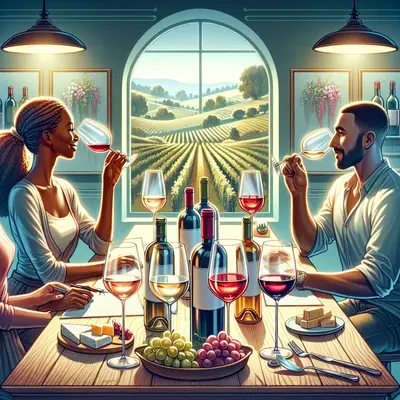
The same wine, poured into the same glass, can feel entirely different depending on the room that surrounds it. Temperature, lighting, ambient noise, and even the height of the table subtly intervene in your perception long before the first sip. Cool, steady temperatures preserve aromatic precision; excessive warmth can blur varietal definition and tilt a wine from poised to flat in minutes.
Lighting matters, too. Soft, indirect light allows you to read color gradations—the faint garnet rim on an aged Pinot Noir, the green flecks in a young Riesling—without glare. Acoustics should recede into the background; clattering glassware and sharp echoes force the brain to multitask, diluting attention from the glass. An elevated tasting is curated like a well-designed salon: fabrics that soften sound, natural materials that avoid harsh reflections, uncluttered surfaces that keep the glass visually central. When environment and wine are in harmony, you taste with your entire body, not just your palate.
The Silent Dialogue of Aromas: Reading Above and Below the Rim
The true introduction to a wine happens before the first sip, in the quiet conversation of aroma. Rather than defaulting to a frantic swirl, discerning tasters approach the glass in stages, allowing the bouquet to unfurl with intention. First, observe the wine at rest, nose hovering just above the rim: this is where more delicate, high-toned aromatics—citrus zest, white flowers, fresh herbs—often present themselves with elegance.
Next, a gentle swirl, not a whirlpool, folds in oxygen and reveals deeper layers: stone fruits turning to confit, red berries shading into compote, spices evolving from faint to vivid. Many enthusiasts find it valuable to alternate “still” and “swirled” nosing, quietly noting what appears and disappears between the two. This back-and-forth creates a narrative of the wine’s structure and evolution in the glass. Rather than chasing a laundry list of descriptors, the elevated taster asks: is the wine vertical or horizontal in its aromatic profile? Are the notes tightly coiled or generously open? This shift from naming to understanding is where appreciation becomes expertise.
Texture as Architecture: Feeling the Wine, Not Just Tasting It
Flavor often steals the spotlight, yet in serious tasting, texture carries equal—if not greater—importance. Texture is the architecture of a wine: how it stands, moves, and finishes across the palate. Professional tasters often begin by analyzing the “entry,” “mid-palate,” and “exit” of each sip, almost like mapping a room by touch.
On entry, note whether the wine glides, grips, or bursts forward. In the mid-palate, observe density and shape: is it slender and linear, or broad and layered? Tannins may feel like fine silk, polished suede, or even chalk dust; acidity might register as a precise, cool line of energy that keeps everything lifted. The finish—the length of time flavor and sensation linger after swallowing—is a quiet but reliable indicator of quality. Elevated tastings give texture the time it deserves: smaller pours, slightly slower pacing, and sometimes side-by-side comparisons of vintages to appreciate how time softens, tightens, or elongates the wine’s tactile frame. For enthusiasts, learning to “read” texture is often the moment when wines move from pleasant to profoundly memorable.
Temperature, Time, and the Art of the Slow Reveal
While serving temperatures are widely discussed, they are rarely managed with the nuance they deserve. Temperature is not a fixed number; it is a trajectory. An impeccably curated tasting considers not only how a wine is served, but how it will evolve in the glass over the next twenty to thirty minutes. That slow reveal is often where the magic lives.
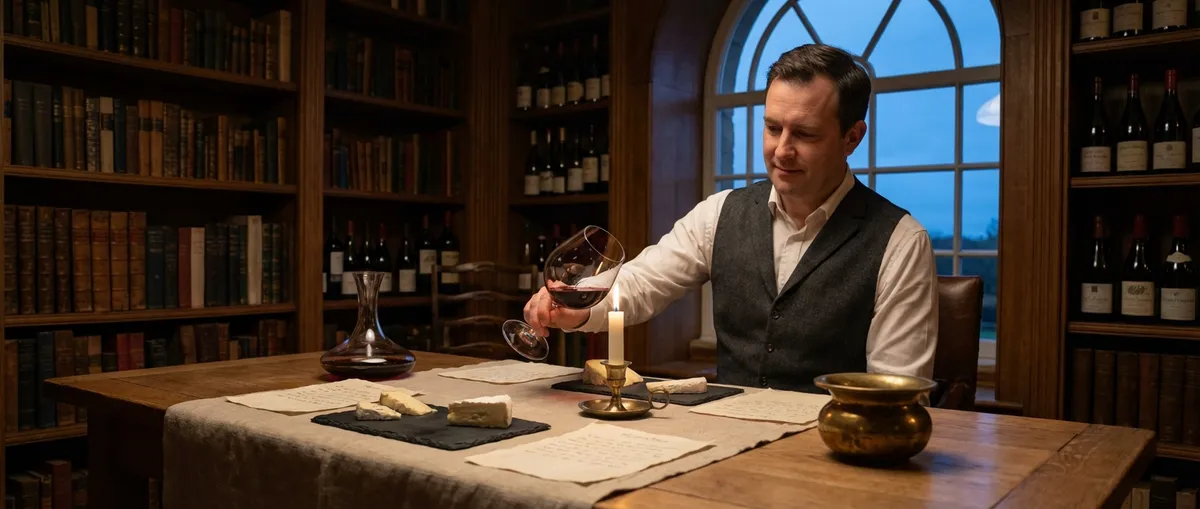
Whites poured slightly cooler than ideal can begin with a firm, mineral-forward impression, gradually opening to show fruit and floral complexity as they warm. Structured reds served just below room temperature feel composed and detailed; as they gently warm, their generosity emerges without collapsing into heaviness. Decanting is not reserved solely for aged icons—young, tightly wound wines can benefit immensely from measured aeration, revealing depth that would otherwise remain locked away. In elevated settings, hosts are attentive to these shifts, adjusting the pacing of each pour so that guests encounter every wine at (and moving through) its most articulate moments. Patience, here, is not restraint—it is a luxury.
Five Exclusive Insights for the Discerning Enthusiast
Beyond the familiar advice, certain quieter practices distinguish the seasoned taster from the merely well-informed. These five insights often circulate more in private cellars and invitation-only tastings than in public guides:
- Glassware is a language, not a luxury item.
The goal is not owning dozens of shapes, but having a small, precise selection that respects structure: one bowl that flatters aromatic whites and lighter reds, another that supports tannic reds, and a fine, tall stem for sparkling wines. The thinness of the rim and balance of the stem profoundly influence how effortlessly the wine arrives on the palate.
- Pre-tasting hydration subtly refines perception.
Well-hydrated palates read acidity and tannin more accurately and fatigue more slowly. Many top sommeliers begin tasting days with neutral water and a light, unsalted snack to stabilize the palate. Overly dry mouths exaggerate bitterness and astringency, skewing judgment.
- Your first impression is data, not a verdict.
Elevated tasters treat the first sip as a baseline, not a conclusion. They return after five, ten, and fifteen minutes, quietly registering how the wine adapts to air and temperature. Wines that grow in nuance and poise over time tend to age more gracefully in cellar as well.
- Context tasting reveals a wine’s true personality.
Tasting a wine alone is informative; tasting it beside its peers is revelatory. Comparative flights—same grape, different regions; same vineyard, different vintages—allow you to perceive subtleties in terroir and style that would otherwise pass unnoticed. This is where terroir ceases to be theory and becomes something you can actually feel.
- Silence is an essential tasting tool.
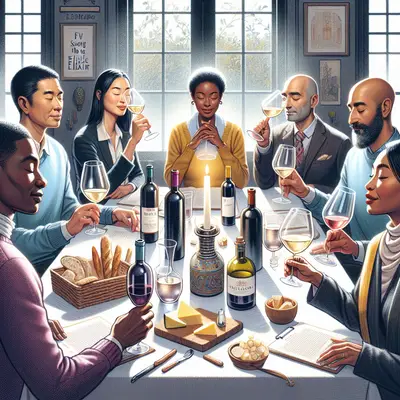
In premium environments, conversation often pauses when a new wine is poured. The brief, shared silence allows each taster to form an independent impression before hearing anyone else’s descriptors. This practice preserves your own sensory integrity and prevents suggestions from overpowering your natural response.
Designing a Tasting Journey, Not Just a Tasting Flight
For refined travelers, the most memorable wine experiences are choreographed as journeys, not isolated sips. A thoughtfully designed tasting moves through a narrative arc: starting with wines that awaken the palate, progressing through deepening complexity, and concluding with a sense of resolution. This might mean beginning with a tension-driven sparkling or high-acid white, transitioning into structured reds, and finishing with something luminous—a late-harvest wine, an aged Champagne, or a contemplative, old-vine red.
Between pours, palate resets are subtle but deliberate: cool still water, perhaps a neutral bite, and just enough time to allow the previous wine to fully recede. The best hosts also weave in discreet context—stories of soil, vintage, and craftsmanship that illuminate the glass without overwhelming it. In this way, the tasting becomes an elegantly paced conversation among place, producer, and guest. At Wine Tour Adventures, these journeys are designed so that when the final glass is set down, guests feel not only that they have tasted excellent wines, but that their way of perceiving wine has been quietly, permanently refined.
Conclusion
Elevated wine tasting is the art of honoring nuance—of creating conditions where a wine can speak clearly and where the taster is prepared to listen. Beyond varietals and scores, it is the orchestration of light, sound, texture, time, and attention that transforms a simple pour into an enduring memory. For enthusiasts who seek more than a collection of labels, this refined approach turns every visit into a study in subtlety, and every glass into an invitation to notice more.
Sources
- Wine Tasting 101 – Wine Folly - Overview of professional tasting structure and sensory focus
- Choosing the Right Glass for Your Wine – RIEDEL - Details on how glass design influences aroma and texture perception
- Serving Temperature for Wine – Wine & Spirit Education Trust (WSET) - Authoritative guidance on temperature ranges for different wine styles
- The Role of Acidity and Tannins in Wine – University of California, Davis - Technical explanation of structure, acidity, tannins, and mouthfeel
- Terroir and Wine Style – Institut des Sciences de la Vigne et du Vin (University of Bordeaux) - Research hub on terroir, vineyard influence, and sensory expression in wine
Key Takeaway
The most important thing to remember from this article is that this information can change how you think about Wine Tasting.