In the realm of truly premium wineries, excellence is rarely announced; it is implied. It resides in the stillness of an early-morning barrel hall, in the precision of a pruning cut, in the decision to pour a library vintage for one guest instead of ten. For travelers who seek more than a tasting flight and a panoramic view, these estates offer a layered, almost architectural experience—one that rewards curiosity, attentiveness, and time. What follows is a glimpse into the quiet luxuries that define the world’s finest wineries, and five exclusive insights that devoted wine enthusiasts will recognize as the true markers of mastery.
The Architecture of Restraint
Premium wineries are increasingly defined not by ostentatious châteaux, but by architecture that appears to recede into the landscape. Walls are carved into hillsides to stabilize temperature; roofs are planted with native flora to soften visual impact; light is choreographed through skylights and narrow apertures to protect the wines and heighten the sense of calm.
This architectural restraint is more than aesthetic. Gravity-flow designs minimize aggressive pumping, reflecting the winemaker’s commitment to gentleness at every stage. Underground barrel caves—whether traditional or newly engineered—create naturally cool, humid environments that reduce energy consumption and maintain stable conditions over decades. For the visiting wine lover, the effect is subtle but unmistakable: a hushed, almost cathedral-like atmosphere where each sound is deliberate, each movement purposeful. In such spaces, you are invited to slow down, listen, and taste with heightened sensitivity.
Premium estates also treat visitor flow as an extension of their architectural philosophy. Pathways are orchestrated to keep you close to the vineyard, then draw you inward to the cellar, then back out again to the light. The result is an experience that feels composed, not crowded—more private recital than public performance.
Exclusive Insight #1: Follow the acoustics, not the chandeliers.
At truly premium wineries, you will often notice an intentional quiet—acoustic dampening in the tasting room, soft footfalls in the cellar, minimal clinking of glassware. This curated silence is not accidental; it is a subtle hallmark of spaces designed around concentration and sensory focus rather than spectacle.
Vineyard Intelligence: Precision Hidden in Plain Sight
To the casual eye, a vineyard is rows of vines and scenic symmetry. To the serious producer, it is a mosaic of micro-decisions: rootstocks tailored to each soil type, canopy height adjusted for exposure, irrigation—if used at all—delivered vine by vine, not row by row. Premium wineries increasingly operate like research stations, layering tradition with cutting-edge vineyard intelligence.
Many leading estates now map their parcels with advanced technology—drones, satellite imagery, and soil conductivity tools—to understand precisely how water, heat, and nutrients move beneath the surface. That data drives surgical choices: one parcel might be picked in three passes instead of one; another parcel may be reserved exclusively for a single cuvée in top vintages only. The visitor may never see the data, but they will feel the outcome: wines of clarity, contour, and remarkable consistency across challenging years.
Vineyard walks at these properties are less about broad vistas and more about specific questions: why the grass cover crop is different from one row to the next; why one block shows slightly looser clusters; why certain parcels are left untrellised. When hosts encourage this level of inquiry, it is a strong indicator you are in the hands of a property that values agricultural nuance over marketing shorthand.
Exclusive Insight #2: Ask about what doesn’t make it into the bottle.
Premium producers often declassify a significant portion of their fruit in difficult years or divert certain parcels into secondary labels or bulk sales. A candid conversation about what they choose to exclude from their flagship wines can be more revealing than any tasting note.
The Cellar as a Laboratory of Time
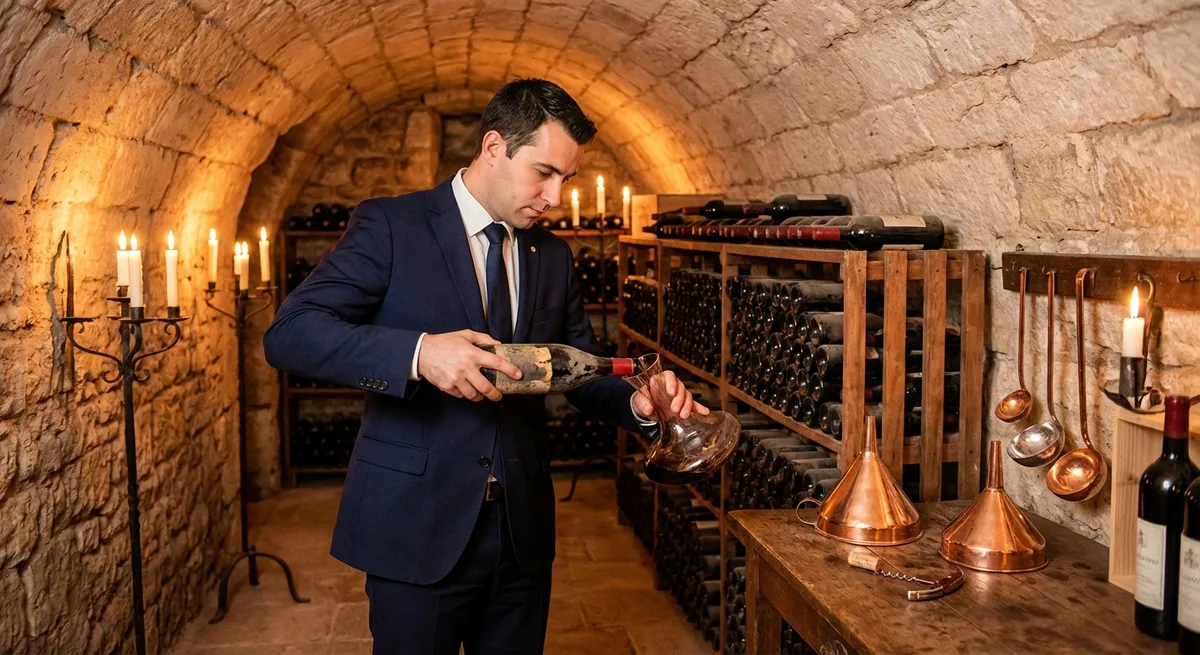
If the vineyard is where character begins, the cellar is where time is given structure. In premium wineries, the cellar is neither a museum nor a factory; it is a calibrated environment where minute adjustments—of oxygen, temperature, and contact with wood—shape the evolution of the wines over months and years.
Here, barrels are selected not for fashion but for fit. Oak forests, coopers, grain tightness, and toast levels are tailored to each grape variety and plot. Increasingly, top estates are supplementing or even partially replacing oak with large neutral casks, amphorae, concrete eggs, and ceramic vessels. These choices are never arbitrary: concrete, for instance, provides micro-oxygenation without flavor; large-format oak offers structure without overt spice; amphorae can emphasize purity and textural depth.
Time itself is treated as an ingredient. Lees aging, bâtonnage, and delayed release dates are deployed to build texture and stability, though they tie up capital and limit volume available for immediate sale. From a visitor’s perspective, one of the most telling questions is not “How old is this wine?” but “How long did you decide to wait before releasing it—and why?”
Exclusive Insight #3: Look for deliberate “inconveniences.”
Barrel-by-barrel tasting, extended aging before release, and separate bottlings for tiny parcels are operationally inefficient. When a winery chooses these “inconveniences” anyway, it is often prioritizing detail and integrity over easy scale. That quiet insistence on complexity is a strong signal of true premium intent.
Hospitality as an Art of Attentive Understatement
At elite wineries, hospitality is never merely transactional. It is an art of understatement where every element—from glassware to pacing—is tuned to encourage contemplation rather than consumption. Appointments are staggered to avoid crowding; tastings may begin with a walk among the vines or a visit to the fermentation room, grounding each pour in place and process.
The most refined estates curate lineups that tell a story. Instead of a generic cross-section of “light to full-bodied,” you may taste multiple vintages from a single parcel, or the same vintage across distinct terroirs. Hosts are trained not only in service etiquette but in viticulture, winemaking, and local history, allowing for conversation that moves fluidly from stemware to soil composition.
Small gestures stand out: a quiet pause between wines to let your palate reset, a tailored adjustment of the tasting to match your curiosity, an unhurried willingness to answer granular questions. Premium hospitality rarely relies on theatrics; it rests on the sense that your presence is both anticipated and fully accommodated.
Exclusive Insight #4: Note how the winery manages saying no.
At serious estates, you may be gently steered away from certain requests: tasting out of unfinished experimental barrels, visiting off-limits production areas, or insisting on unscheduled walk-ins. When these boundaries are explained calmly and transparently—prioritizing safety, wine integrity, or work in progress—they signal a property that upholds standards even when it is inconvenient to do so.
Curated Rarity: When Scarcity Becomes an Experience
Rarity, on its own, is not a guarantor of quality. Yet in the world of premium wineries, scarcity is often the natural consequence of meticulous choices: low yields, strict selection, small parcels, and patient aging. What distinguishes the finest estates is how they curate that rarity, turning it from a mere talking point into an experience.
You may encounter library selections quietly made available to regular visitors rather than reserved solely for collectors; one-time bottlings from a single parcel only produced in exceptional years; or vertical tastings that juxtapose a decade of vintages to illustrate how time, not marketing, defines a wine’s reputation. These experiences are rarely shouted about; they are mentioned softly, almost as a courtesy for those who have demonstrated genuine interest.
For the thoughtful wine enthusiast, these curated offerings provide a rare calibration point: an opportunity to understand not just a single bottle, but a winery’s philosophy over time. How did they navigate a difficult vintage? When did they choose restraint over concentration, or structure over early accessibility? Listening to how they frame these decisions can be as rewarding as the wines themselves.
Exclusive Insight #5: Pay attention to what’s poured off the list.
If a host quietly opens something not on the official tasting menu—an older vintage, a micro-cuvée, a bottle from a neighboring producer they admire—it reveals both confidence and generosity. Premium wineries that are secure in their own identity often celebrate others and share their rarities not as trophies, but as extensions of a shared conversation about excellence.
Conclusion
To travel among the world’s premium wineries is to discover that luxury in wine is rarely loud. It lives in the architecture that hums rather than shouts, in vineyards managed with scientific precision and almost monastic discipline, in cellars where time is stretched so that complexity can unfold at its natural pace. It surfaces in hospitality that is attentive but unhurried, and in rare wines offered not as status symbols but as carefully chosen chapters in a longer narrative.
For the discerning enthusiast, the true pleasure lies in recognizing these subtleties: the quiet acoustics of a well-designed tasting room, the candid explanation of what didn’t make the cut, the willingness to protect standards even when it means saying no. In these understated details, you encounter the essence of premium winemaking—not as a commodity, but as a craft shaped by patience, intention, and a profound respect for the vine.
Sources
- Napa Valley Vintners – Winegrowing & Vineyard Practices - Overview of advanced vineyard and sustainability practices used by leading producers
- Wine Institute – Sustainable Winegrowing Practices - Details on environmental, social, and quality-focused standards in premium wineries
- UC Davis Department of Viticulture & Enology - Research-based information on cellar practices, fermentation, and aging
- Decanter – The Rise of Gravity-Flow Wineries - Exploration of architectural and processing choices at high-end estates
- Harvard Graduate School of Design – Winery Architecture Case Studies - Insight into how design, landscape, and production integrate at notable wineries
Key Takeaway
The most important thing to remember from this article is that this information can change how you think about Premium Wineries.