The most compelling premium wineries rarely shout. They don’t rely on oversized tasting rooms or spectacle; their distinction lives in quiet decisions—made in the vines, in the cellar, and in the way they receive a guest. For the discerning traveler, understanding these subtleties transforms a pleasant visit into an unforgettable, deeply informed experience. This is an invitation to look beyond scores and status, and step into the more nuanced realm where true excellence quietly resides.
The Architecture of Intention: When Design Reflects Philosophy
At many serious estates, architecture is not an aesthetic afterthought; it is a manifesto in stone, glass, and light. The best-designed premium wineries choreograph your experience the moment you step onto the property: a shaded approach that cools the senses, a vista that deliberately frames old-vine parcels, or a restrained façade that hints at humility rather than ostentation.
Pay attention to how spaces are organized. Gravity-flow wineries, where grapes move gently from sorting table to fermenter to barrel by gravity rather than pumps, often house sleek, multi-level cellars integrated into the hillside. This is not merely a design flourish—it protects fruit integrity and preserves aromatic finesse. Natural light, controlled ventilation, and thermal mass are often used to moderate temperature in lieu of aggressive air conditioning, signaling a commitment to energy-efficient, low-intervention winemaking.
When a winery’s layout appears almost invisible—parking tucked away, production spaces hidden behind earth berms, tasting rooms nested among vines—you’re likely in the hands of an estate that believes the wine, not the building, should be the loudest voice. The architecture becomes a quiet clue to priorities: precision, sustainability, and long-term vision over immediate spectacle.
Vineyards as Conversations, Not Commodities
For premium wineries, vineyards are not simply raw materials; they are a decades-long dialogue with soil, climate, and time. The most dedicated estates often own, meticulously lease, or farm specific parcels that express a coherent identity. Terms like “single-vineyard,” “cru,” or “lieu-dit” are not marketing embellishments—they are coordinates to a distinct place on earth.
As you tour, listen to how the estate speaks about its vines. Do they discuss rootstock choices and clonal selections, or just yield per acre? Mention of cover crops—such as legumes to fix nitrogen or grasses to control vigor—reveals a thoughtful approach to soil health. Similarly, talk of canopy management, targeted leaf-pulling, and thoughtful irrigation schedules reflects a winery’s willingness to spend more time and money in the field to achieve balance rather than relying on aggressive cellar fixes later.
A quietly telling sign: how they describe challenging vintages. The most grounded wineries are candid about frost years, heat spikes, or drought, and how these shaped the wines’ structure and aging potential. This transparency, and the ability to craft graceful wines even in difficult seasons, often distinguishes estates that truly understand their land from those simply responding to the market.
Cellar Discipline: Precision Hidden Behind Simplicity
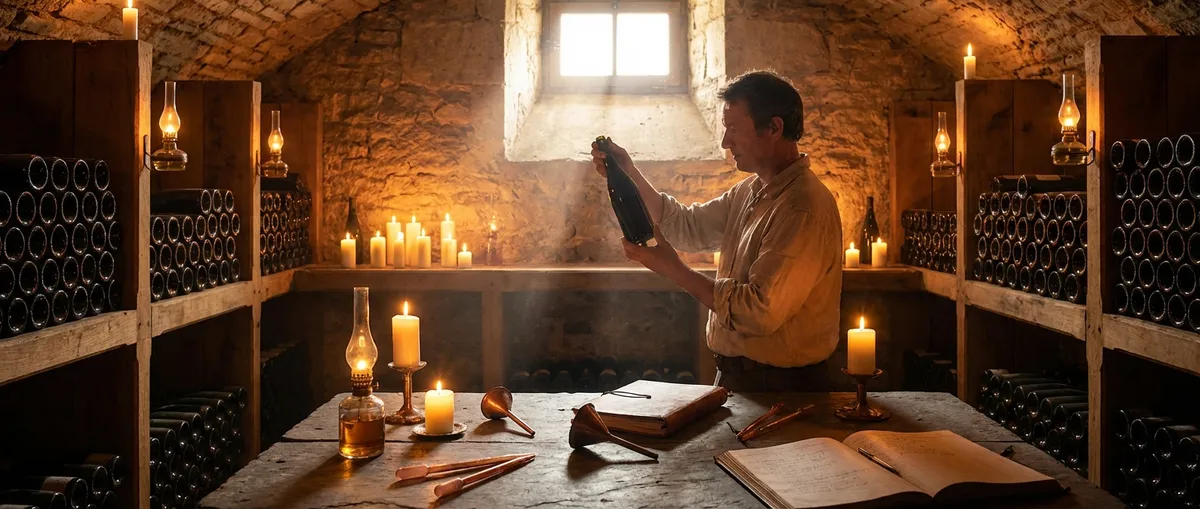
Step into the cellar of a serious winery and you’ll find both restraint and rigor. The most premium estates practice a kind of disciplined minimalism: fewer interventions, but each one executed with almost surgical precision. The equipment may not be ostentatious, but it will be immaculate, well-maintained, and purpose-driven.
Oak programs are a revealing lens. Top wineries use barrels not as a flavor shortcut but as a gentle frame. Expect to hear specifics: the proportion of new versus neutral oak, the choice between French, Austrian, or other cooperages, and the length of élevage (the period between fermentation and bottling). When a winemaker can articulate why a particular forest or toast level was chosen for a specific parcel, you are witnessing craftsmanship at its most deliberate.
Equally insightful is their stance on techniques like whole-cluster fermentation, indigenous yeasts, or extended lees contact. None of these, alone, guarantees quality—but understanding when and why they’re employed demonstrates a winery’s confidence and clarity of style. Premium cellars are guided less by dogma and more by a consistent philosophy: allowing vineyard character to lead, and using technique only in service of that voice.
Five Exclusive Insights for the Attentive Enthusiast
Beneath the polished surface of a premium winery visit lies a layer of nuance that seasoned enthusiasts quietly seek. These five insights rarely appear on tasting-room placards, yet they can sharply refine how you evaluate and enjoy an estate.
1. The Quiet Vintage Vertical Tells the Truth
If you are offered the chance to taste multiple vintages of the same wine, pay close attention. A well-made wine will show family resemblance across years—similar structure, recognizable aromatics, and a coherent stylistic thread—despite weather differences. If one vintage feels heavily oaked and another conspicuously fruit-forward with little structural depth, you may be witnessing a winery chasing trends rather than nurturing a consistent identity.
2. Barrel Samples Reveal Future Intent
Many premium wineries share barrel samples with more engaged visitors. These unfinished wines should not taste polished, but they should show clarity of direction: balanced acidity, promising aromatics, and textural poise even in youth. Disjointed components—sharp alcohol, aggressive tannins without fruit, or overwhelming oak—might signal that balance is being pursued late, rather than built carefully from the beginning.
3. The Estate Wine Is the Purest Signature
While flagship cuvées and limited releases draw attention, the estate or “classic” bottling often carries the clearest expression of a winery’s ethos. These wines usually blend multiple parcels and are made in sufficient volume to weather market pressures. If this core wine is composed, nuanced, and ageworthy, it speaks volumes about the estate’s overall discipline. Treat it as the house’s calling card—the benchmark against which to measure their entire range.
4. Glassware and Service Are a Precision Instrument
In premium environments, glassware is never incidental. The finest estates select specific bowl shapes and rim diameters tailored to their key varieties, and staff are trained to pour at precise levels, allowing optimal aeration without over-exposure. Note whether different wines receive dedicated glasses, and whether refills are timed thoughtfully rather than hurried. These subtle decisions signal a winery that views service as part of the sensory architecture, not merely logistics.
5. Library Releases Are the Ultimate Proof of Confidence
When a winery maintains and occasionally releases older vintages, it is demonstrating faith in its own craftsmanship. Library wines from standout and “difficult” years alike allow you to see how their style ages across conditions. A premium winery that shares these bottles—often in curated tastings or by-appointment experiences—is inviting you to assess its most intimate measure of success: how time has treated its work.
Curating a Visit That Matches the Wine
To fully experience a premium winery, the visit itself should be curated with the same intentionality as a well-planned cellar. Many top estates operate by appointment only, not to exclude, but to ensure that each guest receives adequate time and attention. When booking, share your interests—aging, viticulture, terroir, or food pairings—so the estate can tailor the experience, whether through library pours, vineyard walks, or comparative tastings.
Dress with understated elegance; premium wineries often cultivate an atmosphere that feels quietly refined rather than casual. Arrive early enough to absorb the surroundings, observe the light over the vines, and notice details: the cadence of service, the hum of the cellar, the way staff speak about the wines. Pose questions that invite depth—about soil types, blending decisions, or changes over the last decade—and watch how candidly and confidently the answers unfold.
Consider spacing your appointments thoughtfully: two estate visits in a day allow time for reflection and palate freshness. A premium experience is not defined by the number of wineries visited, but by the quality of engagement at each. When you depart with a deeper understanding of both place and philosophy—not just a trunk full of bottles—you have touched the true spirit of elevated wine travel.
Conclusion
Premium wineries are not merely destinations; they are living expressions of place, time, and craft, refined across generations. The most rewarding visits happen when you attune yourself to subtleties—architectural choices, vineyard nuance, cellar discipline, and the quiet signals embedded in service and wine. By looking beyond surface glamour and embracing these deeper cues, you move from being a visitor to becoming a discerning participant in the winery’s ongoing story. In that shared space between attentive host and attentive guest, wine transcends luxury and becomes something far more enduring: a cultivated, quietly exquisite way of experiencing the world.
Sources
- [Wine’s Modern Architecture: A New Wave of Winery Design](https://www.nytimes.com/2023/08/10/travel/winery-architecture-design.html) – The New York Times explores how contemporary winery architecture reflects winemaking philosophy and visitor experience.
- [Understanding Terroir in Wine](https://winesvinesanalytics.com/features/article/123868/what-is-terroir) – Wine Business / Wines & Vines provides a detailed explanation of terroir and its impact on vineyard expression and wine style.
- [Oak in Winemaking: Influence on Quality and Style](https://www.ucdavis.edu/food/news/oak-barrels-wine-flavor) – UC Davis examines how oak barrels shape flavor, texture, and aging potential in premium wines.
- [Sustainable and Precision Viticulture Practices](https://www.nifa.usda.gov/grants/programs-agriculture/specialty-crop-research-initiative) – The USDA outlines research and initiatives around sustainable, high-precision farming in specialty crops, including grapes.
- [The Aging Potential of Fine Wine](https://www.decanter.com/learn/how-long-can-you-keep-wine-329181/) – Decanter discusses what allows certain wines to age gracefully and how producers manage wines intended for long-term cellaring.
Key Takeaway
The most important thing to remember from this article is that this information can change how you think about Premium Wineries.