There is a moment, just after your glass is poured, when time seems to slow: the light catches the rim, the aromas unfurl, and the landscape outside the cellar door becomes part of the wine itself. This is where a true wine tour begins—not with a shuttle schedule, but with intention. At Wine Tour Adventures, the modern wine journey is less about checking labels off a list and more about orchestrating a sequence of quiet, exquisite details.
For discerning travelers, a vineyard visit is an exercise in curation. It’s about aligning place, season, people, and palate so that each stop feels less like a transaction and more like a private chapter in a story you’ll want to tell—and share—again and again.
1. Designing a Vintage-Led Itinerary Rather Than a Winery List
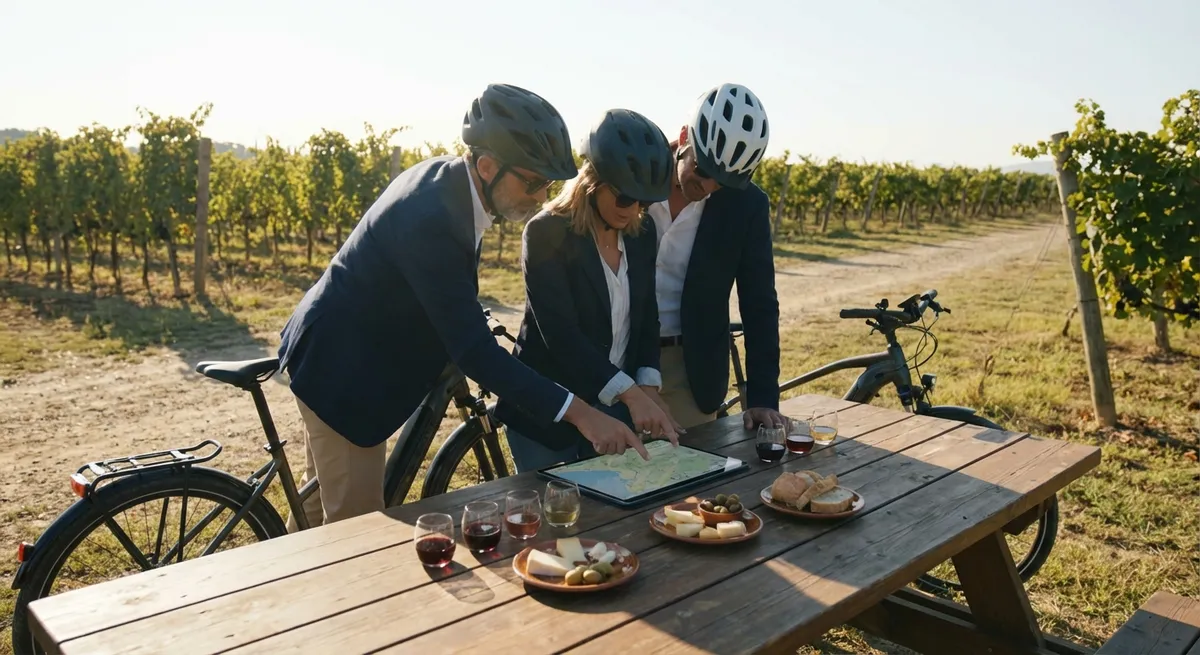
Most people start with a map of wineries; connoisseurs start with a map of vintages. Instead of asking, “Which estates should we visit?” begin with, “Which vintages are reaching their perfect moment right now?” From there, identify regions—and then estates—where those years truly shine. This approach instantly transforms a generic route into a vintage-focused pilgrimage, where each stop has a clear purpose tied to your glass.
Imagine planning a tour specifically around a benchmark year for Cabernet in one valley, followed by a neighboring region where that same year favored Syrah. Your tastings become comparative masterclasses in terroir and climate, rather than a random procession of flights. Request in advance to taste library releases or late-release cuvées from those key vintages; many premium wineries will discreetly accommodate such focused requests for guests who know what they’re seeking. The result is an itinerary that feels bespoke, anchored not by geography alone but by the evolution of wine itself.
2. Syncing Your Visit With the Vineyard’s “Invisible Seasons”
Harvest headlines the calendar, but the vineyard is quietly fascinating in its so-called off-months. The most rewarding tours often align with the “invisible seasons” that casual visitors overlook—winter pruning, spring budbreak, or the pre-veraison lull when the vines are quietly calibrating their energy. Each of these windows offers a different lens into the estate’s philosophy and precision.
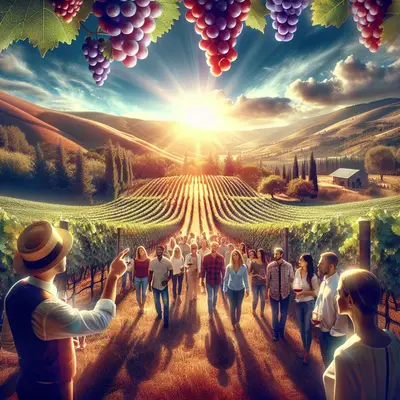
Visiting during winter, when vines are bare and the landscape is austere, allows you to see the architecture of the vineyard—row spacing, trellising choices, soil management—without foliage to distract. Late spring, when shoots are tender and fragile, reveals how the team balances vigor with restraint. Ask for a walk among the rows focusing on canopy management or soil health, not just the view. Wineries that welcome this level of engagement signal a commitment to transparency and craft. Your photos and stories from these less crowded seasons also tend to be more distinctive, standing apart from the typical harvest imagery that fills social feeds.
3. Turning a Cellar Visit Into a Private Blending Dialogue
Many wine tours include a perfunctory cellar walkthrough: a few barrels, a quick explanation of French vs. American oak, and on to the tasting room. Enthusiasts can quietly elevate this into something far more compelling: a blending dialogue with the winemaker or cellar master. Rather than asking, “How long does this age in barrel?” consider asking, “What decisions did you debate for this vintage, and why?”
If the estate offers barrel samples, treat them not as novelties but as chapters of a narrative. Taste the same variety from different parcels or cooperages and invite the winemaker to share what might—or might not—make it into the final blend. Even without a formal blending experience, framing your questions around trade-offs—freshness vs. structure, power vs. elegance—opens a more nuanced conversation. You leave not just with tasting notes, but with an understanding of the aesthetic tensions that define that winery’s style. It’s the sort of insight that translates beautifully into thoughtful trip recaps and tasting reflections.
4. Pairing Place and Palate: When Architecture Becomes a Tasting Note
The finest wine estates understand that architecture, interiors, and landscape design are not mere backdrop; they are part of the tasting experience. As you move through a property, pay attention to how the spaces are orchestrated: the temperature and acoustics of the cellar, the sightline from the terrace, the fabrics and textures in the salon where you sit. These elements shape your perception of the wine in subtle yet powerful ways.
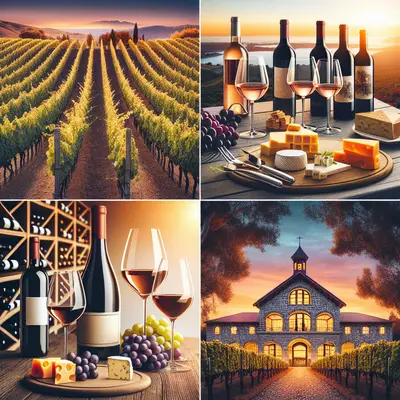
A bright, glass-walled tasting room overlooking shimmering vineyards might make a mineral-driven white feel even more crystalline on the palate. A vaulted stone cellar with candlelight and hushed acoustics can deepen the sense of gravitas in a structured red. Ask the host whether certain wines were intentionally paired with certain rooms or vistas; many high-end estates think this through meticulously but rarely articulate it unless prompted. When you share your experience, describing how setting and wine interacted offers a richer, more evocative story than simple tasting notes—it invites your audience into the scene with you.
5. Curating a Post-Trip Cellar That Keeps the Journey Alive
The most sophisticated wine tour doesn’t end when you check out; it continues each time you open a bottle you brought home. Instead of purchasing solely based on what impressed you in the moment, think of your home cellar as a time capsule of the journey. Choose bottles with specific future occasions in mind: one for a quiet winter dinner, another for a milestone celebration, a third for a comparative tasting with friends who love the same region.
Ask the winery team for drinking windows tailored to your storage conditions and preferences—do you prefer wines at their youthful peak or with more tertiary nuance? Note this on the back of the bottle or in a digital cellar app, along with a brief memory from the visit: the weather, a conversation, a vineyard detail that stayed with you. When you later share that bottle, you’re not just pouring wine; you’re decanting a chapter of your travels. Framing your post-trip content around how these bottles evolve over time, rather than a one-off “haul,” underscores a deeper connection to the places you visited and invites your audience to follow the journey with you.
Conclusion
An exceptional wine tour is never accidental. It’s the product of thoughtful questions, well-timed visits, an eye for detail, and a willingness to let each estate reveal its personality beyond the tasting bar. When you design your travels around vintages instead of venues, seasons instead of crowds, and conversations instead of checklists, your itinerary becomes something rarer: a curated exploration of taste, place, and time.
For wine enthusiasts who seek experiences as refined as the wines themselves, every journey can be crafted as a story worth savoring—and sharing—long after the last glass is poured.
Key Takeaway
The most important thing to remember from this article is that this information can change how you think about Wine Tours.