The finest vineyard visits feel less like tours and more like choreography—every step, sightline, and sip thoughtfully arranged to reveal a deeper story in the glass. For the devoted wine enthusiast, a vineyard is not a backdrop but a living, breathing archive of decisions: about soil, climate, patience, and vision. Stepping onto that land is an invitation to read those choices with greater clarity. This is not about volume tastings or souvenir glasses; it is about cultivating a more nuanced relationship with the places and people behind the wines you love.
Reading the Landscape: Let the Vineyard Be Your First Tasting Room
Before a single drop touches the glass, the most revealing “tasting” of all happens with your eyes and your feet. A truly refined vineyard visit begins with an intentional walk through the vines, paying attention to the subtle cues that define a site’s character.
Observe slope and exposure: which rows face the morning sun, and which bask in the gentler rays of late afternoon? Notice how cool air settles in lower pockets, where frost fans or wind machines stand guard. Run your fingers through the soil if permitted—crumbly limestone, dense clay, or pebbled alluvium hint at structure, minerality, and texture long before the wine appears.
Look for vine spacing, canopy height, and row orientation; these are not merely aesthetic choices but carefully calculated responses to light, wind, and water. Advanced enthusiasts quietly translate these visual details into expectations about acidity, ripeness, and aromatics. In doing so, the landscape becomes a preview of the wine’s architecture, and the actual tasting becomes a confirmation of what you have already begun to understand.
Beyond “Terroir”: Decoding the Vineyard’s Invisible Decisions
Serious wine lovers speak often of terroir, yet what you encounter on a premium vineyard visit frequently goes well beyond climate and soil. The most illuminating experiences expose the invisible decisions that shape a wine’s identity.
Ask about clone and rootstock selections—not as trivia, but as insight. Why did the estate choose a particular clone of Pinot Noir or Cabernet, and how does it behave in this site’s specific conditions? How old are the vines, and have any parcels been replanted? Explore water philosophy: dry farming versus irrigation, timing of water stress, and how the team navigates drought or heat spikes.
An elevated visit often includes a close look at canopy management: whether the winery favors dappled light or more exposed clusters, and how leaf pulling, green harvesting, or crop thinning are approached in different vintages. Each of these choices carries consequences for ripeness, phenolic development, and ultimately the style in the glass. Understanding them turns a vineyard stroll into a masterclass in why this wine could not have been made anywhere else, in any other way.
The Quiet Power of Time: Vintage, Barrel, and Bottle in Conversation
At most tasting rooms, wines are poured as a sequence; at the best vineyard experiences, they are presented as a dialogue—between vintages, between barrels, and between bottle ages. Time, when thoughtfully showcased, becomes the most persuasive ambassador for a winery’s philosophy.
An exclusive insight for enthusiasts is to seek comparative tastings that highlight time as the only variable. Tasting the same cuvée across multiple vintages, for example, allows you to separate the signature of the site from the character of the year. Does the house style remain consistent through climatic extremes, or does the wine lean into the drama of each season?
When possible, ask to compare an élevage variation: a wine raised in different barrel regimes, or a stainless-steel versus oak maturation of the same juice. Such tastings expose how texture, spice, and aromatic finesse are shaped after harvest. Finally, if the estate offers library pours, pay close attention to how tertiary notes—dried flowers, savory herbs, leather, truffle—emerge while the underlying structure of acid and tannin still reflects the place you walked just hours before. This is where vineyard, vintage, and vision converge most clearly.
Hospitality as Craft: Recognizing a Truly Curated Vineyard Encounter
In the world of premium wineries, hospitality is not an accessory; it is a craft discipline as precise as viticulture. A sophisticated visitor quickly learns to recognize when hospitality has been elevated to that level.
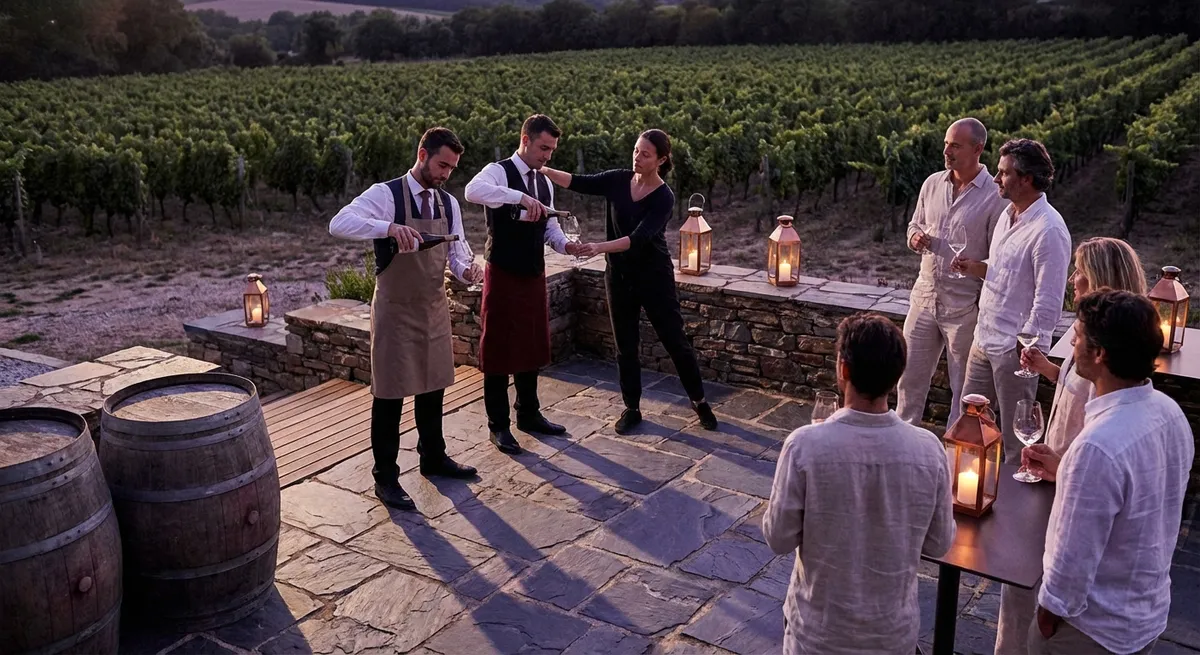
The most memorable experiences unfold with intentional pacing. Appointments are staggered so that each group feels unhurried, and each pour is contextualized rather than merely announced. Glassware is chosen with the same care as barrels: bowl shape, rim width, and stem length all tailored to varietal and style. Details such as correct serving temperature, discreetly refreshed water, and palate-calibrating bites (simple, neutral flavors, never overwhelming) signal a commitment to purity of experience.
Attentive hosts ask questions before they pour—about your preferences, previous regions you’ve visited, and the wines that have made an impression on you. They then adjust the experience in real time, perhaps opening an off-list bottle, adding a barrel sample, or substituting a single-vineyard selection better suited to your tastes. In these settings, you are not an audience; you are an informed participant in a carefully orchestrated encounter.
Curating Your Own Narrative: Returning Home with More Than Bottles
The most exclusive insight of all is that a refined vineyard visit should change the way you enjoy wine long after your suitcase is unpacked. The goal is not to acquire as many bottles as possible; it is to curate a meaningful narrative that will unfold over years.
Consider buying in arcs rather than single snapshots. A selection of the same wine across several vintages, or from different parcels within the estate, allows future at-home tastings to recreate the comparative depth of your visit. Take detailed notes not only on aromas and flavors but on specific vineyard parcels, clone numbers, or aspects that intrigued you. Photograph labels against the backdrop of the rows where the grapes were grown; these images will later anchor your memory of the place.
Back home, open these wines with intention. Share the story of the site, the choices you witnessed, and the people you met. Align certain bottles with future milestones—anniversaries, promotions, or reunions—so they become part of your personal chronology. In this way, a single day among the vines becomes an ongoing chapter in your own wine education, one that evolves as both you and the bottles mature.
Conclusion
A vineyard visit at its highest level is not defined by opulent architecture or rare labels, but by the clarity with which it connects you to the life of the wine. By reading the landscape before you taste, exploring the invisible decisions behind each vintage, paying attention to the choreography of hospitality, and curating your own story to take home, you transform a simple outing into an enduring education. For the discerning enthusiast, the true luxury lies not in how many places you have visited—but in how deeply you have listened to each vineyard’s quiet, compelling voice.
Sources
- UC Davis Viticulture and Enology - Technical resources on vineyard design, canopy management, and viticultural practices
- Napa Valley Vintners – Explore Napa Valley Terroir - Overview of how soil, climate, and geography shape wine styles and vineyard decisions
- Burgundy Wine Board (BIVB) – Understanding Terroir - Detailed explanation of terroir, climats, and vineyard classification in a benchmark region
- Wine Institute – Sustainable Winegrowing - Insight into sustainability and vineyard practices at premium California wineries
- Cornell University – Wine & Grape Information - Research-based information on grape growing, clones, and regional influences on wine quality
Key Takeaway
The most important thing to remember from this article is that this information can change how you think about Vineyard Visits.