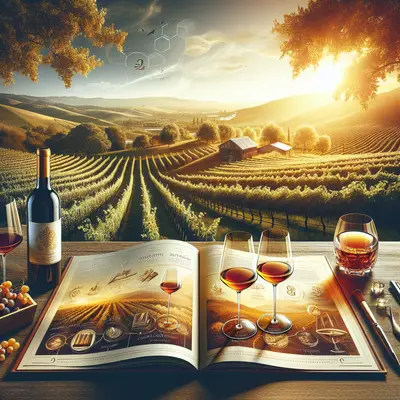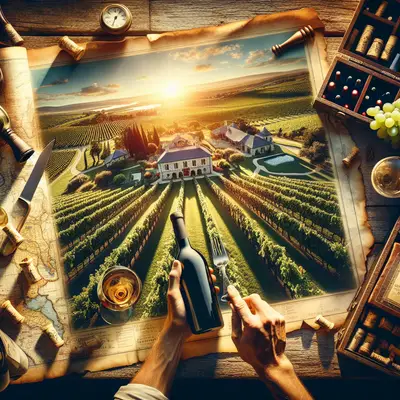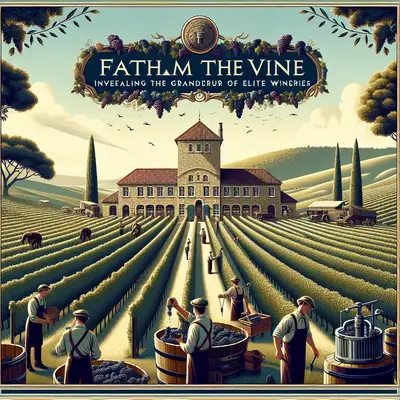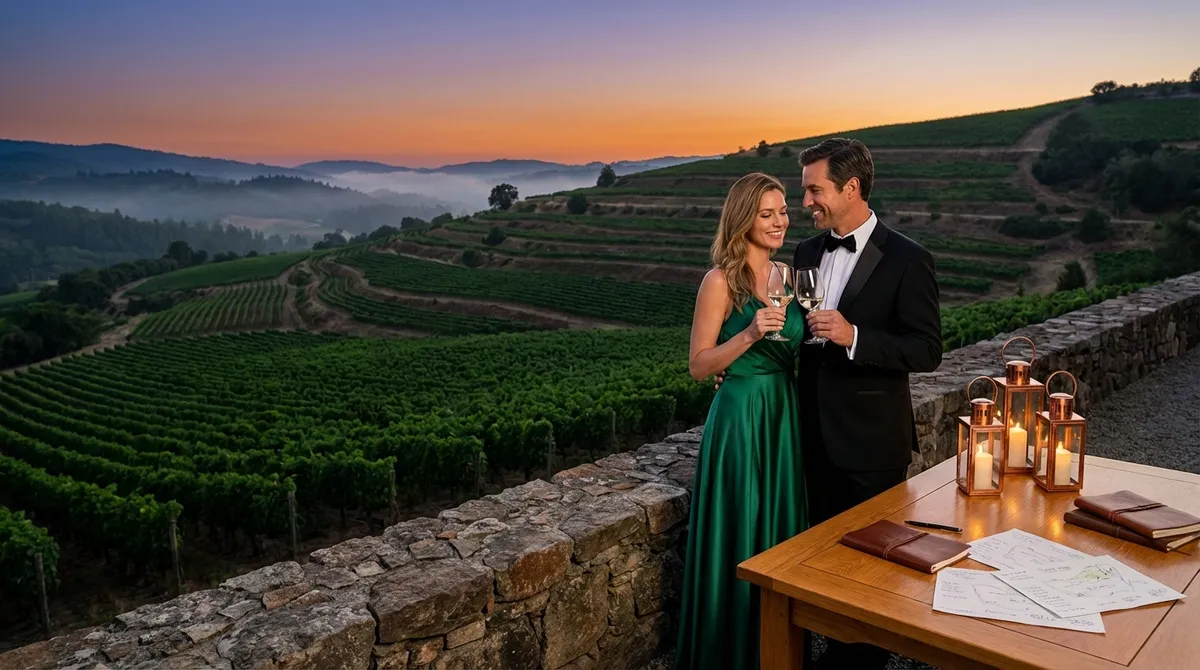
In the rarefied realm of premium wineries, excellence is not an act of excess but of precision. These are places where vineyards are treated as living manuscripts, each vintage a new chapter written in weather, soil, and time. For travelers who seek more than a beautiful view and a polished tasting bar, premium estates offer an intricate dance of craftsmanship, restraint, and quiet innovation. This is the backstage pass: an exploration of how the finest wineries curate experiences, protect their terroirs, and shape wines that reward both contemplation and patience.
Redefining Luxury: From Opulence to Obsession with Detail
At true premium wineries, luxury is less about chandeliers and more about calibration. The most coveted experiences often unfold in hushed corners of the estate—a private library tasting with older vintages; a walk among experimental vineyard blocks rarely mentioned in brochures; a barrel room visit where a winemaker quietly compares the influence of two nearby plots.
Hospitality is orchestrated to feel seamless rather than showy. Appointments are staggered to ensure no guest feels part of a crowd. Glassware is chosen to suit not only varietals but specific cuvées. Lighting, sound, and pacing are curated to encourage focus: time to revisit a glass, pause between pours, and question the subtleties of texture rather than simply note aroma descriptors.
Above all, the experience feels intentional. You are not visiting a venue; you are being invited into an ongoing conversation between land, history, and the people who steward both.
Vineyards as Galleries: The Art of Parcel-Level Precision
Premium wineries increasingly treat their vineyards as a series of micro-galleries rather than a single canvas. Instead of producing one or two broad-shouldered blends, they study each parcel—sometimes each row—with the thoroughness of a conservator assessing a masterpiece.
Slope, exposure, soil composition, wind patterns, and even the way morning fog retreats across a hillside are cataloged and interpreted. One block might be harvested in multiple passes, selecting only the ripest clusters at each pick. Another, cooler site may be reserved exclusively for a cuvée that trades power for nuance and lift.
For the engaged visitor, this granular approach transforms a tasting into a geographical exploration. You may be offered side-by-side comparisons of wines from adjacent parcels, revealing how a subtle shift in elevation—or a seam of limestone instead of clay—translates into tension, salinity, or length. The effect is akin to listening to variations on a theme in classical music: the melody is constant, but the expression is endlessly fascinating.
Five Exclusive Insights from the World’s Most Attentive Estates
1. Cellar Architecture Quietly Shapes the Wine
At the highest level, cellar design is not merely aesthetic—it is functional sculpture. Premium wineries are increasingly building gravity-flow cellars, allowing grapes and must to move gently from sorting table to tank to barrel without pumps. This reduces mechanical stress on the fruit, preserving delicate aromatics and texture.
Ambient temperature control takes precedence over dramatic visual statements. Underground galleries, thermal mass walls, and natural ventilation are used to maintain stable conditions with minimal intervention. Even the shape and material of fermentation vessels—concrete eggs, clay amphorae, large-format oak—are chosen for the way they guide micro-oxygenation and lees contact, not for visual novelty. When you walk through these spaces, you’re seeing a three-dimensional blueprint of how the estate wants its wines to feel on the palate.
2. Barrel Programs Are as Individual as Fingerprints
In the premium tier, “French oak, 12 months” is just the beginning of the story. Leading estates maintain relationships with specific coopers, forest origins, and even grain tightness for their barrels. They may order custom toast levels for individual parcels, adjusting for vintage character—more subtle toast in warmer years to avoid heaviness, slightly more structure in cooler seasons to support mid-palate weight.
Some châteaux and domaines keep detailed internal histories of how each cooperage behaves over a decade or more, then rotate or blend barrel sources to avoid a “house oak signature” overshadowing terroir. For the guest invited into a barrel tasting, the experience becomes a sensory masterclass in micro-decisions: how a single barrel can emphasize spice, another purity of fruit, a third mineral length—all from the same vineyard.
3. Precision in Time: Harvest Windows Measured in Hours, Not Days
In premium vineyards, harvest is no longer a single event but a series of precisely timed micro-picks. Ripeness is assessed by taste as much as by numbers; winemakers chew skins and seeds, assessing tannin maturity, aromatic potential, and acid balance.
Decisions are made in hours: a forecast of warm winds might accelerate picking in a delicate parcel to preserve freshness; a predicted cool spell could delay harvest in another to extend flavor development. Night harvesting, common at high-end estates, preserves acidity and aromatic integrity, resulting in wines that retain lift and clarity years after bottling. When you sip a flagship cuvée, you are drinking a series of decisions made in the half-light of dawn.
4. Quiet Innovation: Data-Driven Terroir Stewardship
While tradition is often celebrated, the top tier increasingly relies on sophisticated technology to protect and understand their vineyards. Satellite imagery, soil conductivity mapping, and drone surveys reveal moisture stress, canopy density, and disease pressure long before the human eye can detect them.
This data doesn’t replace intuition; it refines it. Winemakers can tailor irrigation (where permitted), adjust canopy management, or isolate problem areas with surgical precision, minimizing interventions elsewhere. For the enthusiast, this means that a “classic” wine style is often the product of cutting-edge monitoring behind the scenes—technology harnessed not to modernize flavor, but to protect authenticity in a changing climate.
5. Library Programs: Time as the Ultimate Luxury
Among the most prized features of premium wineries is their commitment to maintaining deep library stocks. This is not only for prestige tastings but for ongoing self-evaluation. Winemakers revisit older vintages to assess how earlier decisions are manifesting years later—tannin management, picking dates, barrel programs—and they adjust future strategies accordingly.
For select guests, access to these aged bottles transforms a visit from a snapshot into a time-lapse. Tasting a wine at 3, 10, and 20 years old from the same vineyard illuminates a trajectory: how primary fruit recedes, how structure softens, how savory and tertiary notes emerge. It’s an intimate view of what true premium wines are designed to do—evolve gracefully, gaining complexity rather than simply holding onto youth.
The Subtle Theatre of Hospitality
Beyond the vineyards and cellars, premium wineries distinguish themselves through an almost invisible choreography of service. Experienced hosts read their guests quickly: some visitors prefer rigorous technical discourse; others seek a more narrative-driven exploration centered on family, history, and place.
Timing is deliberate. Pours are sequenced to encourage discovery—perhaps starting not with the flagship, but with a lesser-known cuvée that reveals the estate’s philosophy. Educational materials are tailored; serious collectors might be quietly offered technical sheets and vineyard maps, while travelers new to the region receive elegantly simplified guides to local appellations and food pairings.
Even the conclusion of the visit is considered. Shipping logistics are handled unobtrusively; cellar recommendations are customized based on your stated preferences and existing collection. The goal is for the experience to linger long after the last glass is poured—each bottle opened at home acting as a portal back to the estate.
Traveling with Intention: How to Engage with Premium Estates
Approaching premium wineries as a thoughtful guest rather than a casual tourist elevates the entire experience. Advance appointments, a clear sense of what interests you (mature vintages, vineyard tours, production details, regional comparisons), and a willingness to ask precise questions signal to the estate that you are there to truly engage.
Consider focusing on fewer estates over more days, allowing time for in-depth visits rather than hurried tastings. Many top wineries offer tiered experiences—opt for those that include vineyard time or comparative tastings when possible. Bring a notebook or use a discreet digital log; the subtleties you notice in the moment will enrich your appreciation when you later open wines from the visit.
Most importantly, treat these encounters as dialogues. The most memorable moments often arise when a winemaker, seeing your genuine interest, decides to open a bottle not on the list, walk you to a favorite block, or share an honest reflection about a challenging vintage. In that exchange, wine shifts from a product to a shared pursuit.
Conclusion
Premium wineries operate in a sphere where refinement is defined not by ostentation, but by intention. From cellar architecture that quietly shapes texture to library collections that reveal how wines age across decades, every detail exists in service of clarity, balance, and longevity. For the traveler willing to slow down, to observe how vineyards are parceled, how harvest is timed, and how hospitality is choreographed, these estates offer more than impeccable wines—they offer insight into how excellence is built, season by season, decision by decision. In this world, each bottle is not simply consumed; it is encountered, understood, and remembered.
Sources
- Wine Institute – California Wine Regions – Overview of key regions and terroir diversity that underpins premium wine production
- Bordeaux Wine Council (CIVB) – Terroir and Appellations – Detailed explanation of parcel-level differences and classification systems in a benchmark premium region
- Napa Valley Vintners – Napa Green & Sustainable Practices – Insight into environmental and vineyard stewardship at top-tier wineries
- Decanter – The Evolution of Gravity-Flow Wineries – Discussion of modern cellar architecture and its impact on wine style
- UC Davis Department of Viticulture and Enology – Research-based information on viticulture, fermentation, and aging techniques used by leading premium estates
Key Takeaway
The most important thing to remember from this article is that this information can change how you think about Premium Wineries.