In the rarefied world of premium wine, excellence is not a single attribute but an orchestration of place, precision, and philosophy. The most sought‑after wineries are no longer defined solely by price tags or critic scores; they are distinguished by the quiet rigor behind every bottle and the depth of experience they offer to those who make the journey. For the devoted wine traveler, understanding what truly separates a premium estate from the merely fashionable can transform a pleasant visit into a profound encounter with craftsmanship.
This exploration reveals how elite wineries think, work, and host—and offers five exclusive insights that discerning enthusiasts can use to read between the lines of any luxury wine experience.
Redefining “Premium”: Beyond Price and Prestige Labels
In a marketplace saturated with “reserve” labels and elaborate châteaux, the word premium is easily diluted. At its highest expression, however, a premium winery is less a marketing concept and more a philosophy underpinned by three pillars: precision in the vineyard, restraint in the cellar, and coherence in the guest experience.
First, the vineyard is regarded not as a raw material source, but as the central narrative. Blocks are mapped almost vine by vine; soils are studied with a level of granularity more akin to haute couture tailoring than agriculture. Second, in the cellar, the aim is not maximal extraction or opulence, but balance—textural finesse, nuanced aromatics, and an ability to age gracefully rather than simply impress in the first five minutes of a tasting. Finally, hospitality is curated to mirror the wine’s character: measured, attentive, and quietly confident rather than ostentatious.
For travelers, recognizing this triad helps distinguish estates that are serious about excellence from those merely staging a luxury façade. The keen observer will notice that, at true premium properties, every detail—from glassware to vineyard access—feels intentional rather than ornamental.
Insight 1: Micro‑Parcels and the Art of Invisible Complexity
One hallmark of top‑tier wineries is the meticulous segmentation of their vineyards into micro‑parcels, each managed as a distinct personality. Instead of speaking only in terms of “the estate vineyard,” they reference specific slopes, soil seams, and exposure patterns that may yield only a few barrels each year. This micro‑parcel mentality allows winemakers to build complexity from the ground up, layering subtle differences in texture, minerality, and aromatic profile.
During a visit, you may notice vineyard maps with dense color coding, GPS markers among the vines, or discussions about minute differences in rootstock and clonal selections. These are clues that the estate is crafting its wines in high definition. The result in the glass is a wine that unfolds with time—each sip revealing another facet rather than merely reiterating the first impression.
For enthusiasts, an important question to ask at such properties is not “Which wine is your best?” but “Which parcels fascinate you the most this vintage, and why?” The answer often unlocks stories of climatic nuance and viticultural experiment that illuminate how complexity is quietly engineered long before the grapes reach the press.
Insight 2: The Quiet Revolution of Precision Viticulture
Premium wineries increasingly operate at the intersection of tradition and technology, employing precision viticulture to refine rather than replace human intuition. Tools such as drone imaging, soil conductivity mapping, and vine‑by‑vine data collection are used not to industrialize the vineyard, but to fine‑tune water use, canopy management, and harvest timing.
At first glance, this technological layer is almost invisible to the casual visitor. Yet if you look closely, you may notice weather stations among the vines, discreet moisture sensors, or discussions with the vineyard team about differential harvesting—picking one part of a row days before another to capture nuanced ripeness. These practices reduce variability and allow the estate to pursue purity of expression even in challenging years.
For the discerning guest, asking how the estate navigates difficult vintages can be revealing. Premium producers will often speak with unflinching candor about compromises made, parcels declassified, or volumes reduced, highlighting how technology informs their decisions without dictating them. The greatest luxury is not perfection in every season, but the integrity with which a winery responds when nature tests its limits.
Insight 3: Barrel Choices as a Signature, Not a Costume
Oak is one of the least understood yet most telling aspects of premium winemaking. At the highest level, barrel programs are curated with the same care as a perfume organ, where each cooper, forest origin, toast level, and barrel age is selected for specific structural or aromatic contributions. The aim is not to drape the wine in oak, but to tailor an almost invisible framework that enhances texture and longevity.
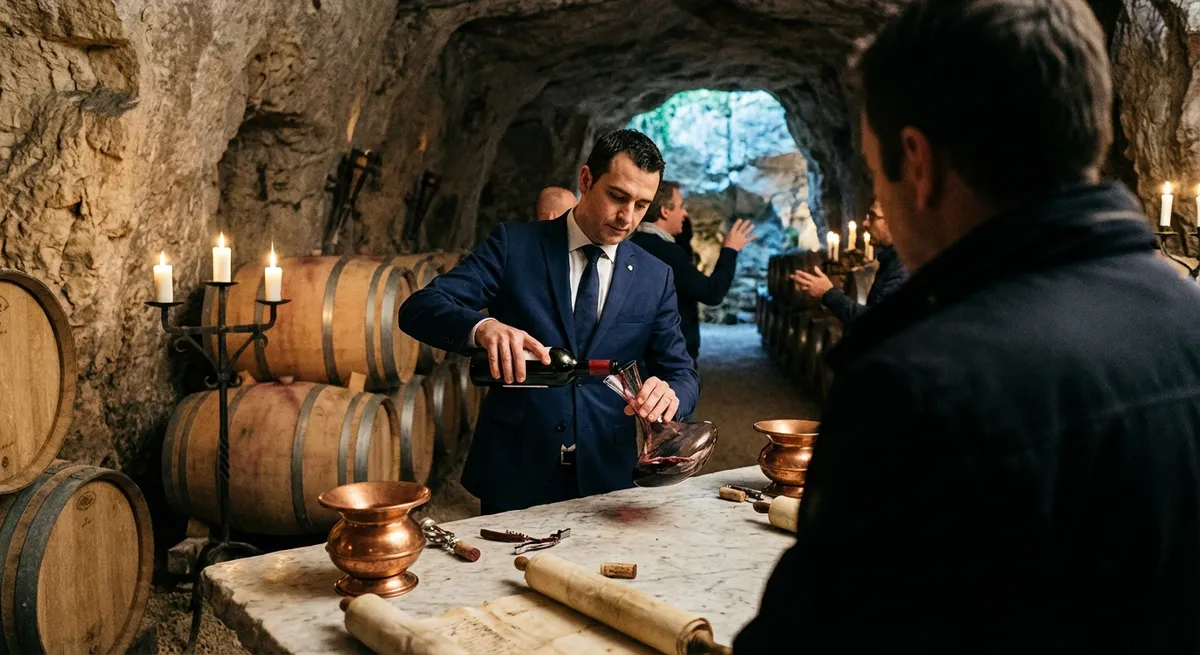
On a tour, a sophisticated estate may invite guests into the barrel room not just for atmosphere, but to explain how they pair particular parcels with particular barrels. You might hear about the use of larger foudres to preserve freshness, or a deliberate choice to employ older barrels for delicate varieties to avoid masking their floral notes. Decisions surrounding new oak percentage are presented as part of a long‑term stylistic vision, not a formula to chase trends.
Curious travelers can deepen their appreciation by tasting a young wine from barrel alongside a finished bottling, noting how the oak influence recedes with time, leaving structure rather than obvious flavor. At premium wineries, the more you look for oak “makeup,” the more you’ll discover that the true artistry lies in how little you can see it.
Insight 4: Hospitality That Mirrors the Wines’ Architecture
In the world of premium wineries, hospitality is not an afterthought layered atop the product; it is an extension of the winemaking philosophy. The way you are received, guided, and poured for often echoes the wines themselves. A house known for linear, mineral whites may favor serene, light‑filled tasting salons with minimal ornamentation. An estate specializing in contemplative, long‑aging reds may design its experiences as unhurried, seated tastings with generous pauses between pours.
Discerning guests will notice how time is treated. Are you rushed through a scripted flight, or invited to linger with a single glass while discussing vintages, food pairings, and cellar potential? Are library wines integrated into the experience to demonstrate evolution, or is the focus solely on current releases? Premium wineries understand that their most powerful ambassador is not a single bottle, but the arc of a tasting that shifts from curiosity to recognition to quiet admiration.
For enthusiasts seeking meaningful encounters rather than simple photo opportunities, the most memorable experiences often happen in spaces where capacity is intentionally limited and the environment encourages conversation. In those moments, hospitality becomes a form of translation—turning the technical language of viticulture and enology into a sensory narrative that guests can carry with them long after the visit.
Insight 5: Allocation Culture and the Ethics of Scarcity
Scarcity is often associated with prestige, but in the sphere of premium wineries, scarcity can be either engineered or earned. The most respected estates are transparent about why their production is limited: steep hillside vineyards, low‑yield farming, old vines, or strict selection criteria that see significant portions of the harvest declassified. They speak not only of being “rare,” but of what they sacrifice to maintain the quality that justifies limited availability.
Many such properties rely on allocation systems—offering wines first to long‑standing members or collectors who have demonstrated consistent interest. While this can appear exclusionary from the outside, it often serves a protective function, ensuring that the wines end up in cellars where they will be appreciated, aged properly, and opened thoughtfully. Increasingly, conscientious wineries are also reserving a portion of their production for on‑site experiences, ensuring that serious travelers can taste even highly allocated cuvées when they visit.
For enthusiasts, understanding allocation culture is essential. Ask how the winery balances demand with loyalty, whether they hold back older vintages for educational tastings, and how they think about pricing in relation to farming costs and climate risk. Premium producers who answer these questions with clarity and humility signal that their scarcity is driven by principle rather than posturing.
Conclusion
Premium wineries occupy a unique intersection of place, craft, and discretion. Their greatness is rarely shouted; it reveals itself through layered details—the precision of micro‑parcels, the intelligent use of technology, oak that whispers rather than shouts, hospitality that respects the guest’s time and curiosity, and a transparent approach to scarcity. For the wine traveler attuned to such nuances, visits to these estates become more than tastings; they become encounters with a culture of excellence that spans generations.
Approach your next winery visit not as a checklist of “must‑see” properties, but as an opportunity to decode the philosophy behind each glass. In that attentive mode, the world of premium wine opens up as a series of deeply personal discoveries—quietly luxurious, rigorously crafted, and all the more rewarding for those willing to look beyond the label.
Sources
- Napa Valley Vintners – What Makes Napa Valley Unique – Overview of factors that contribute to premium winegrowing, including terroir and vineyard practices
- Wine Spectator – Understanding Terroir in Wine – Explores how micro‑parcels, soil, and climate shape wine character
- UC Davis Department of Viticulture & Enology – Research‑based insights into precision viticulture and vineyard management techniques
- Decanter – Guide to Oak in Winemaking – Detailed explanation of barrel choices and their impact on wine style
- OIV (International Organisation of Vine and Wine) – Technical standards and reference documents on viticulture and enology practices worldwide
Key Takeaway
The most important thing to remember from this article is that this information can change how you think about Premium Wineries.