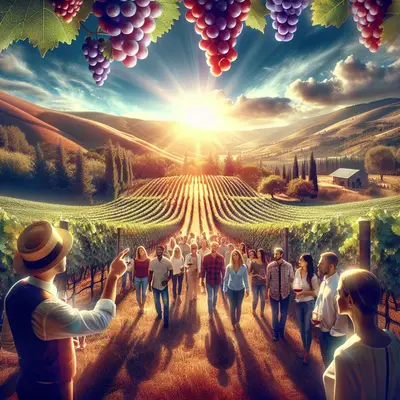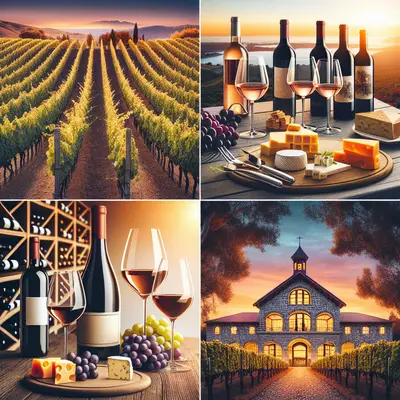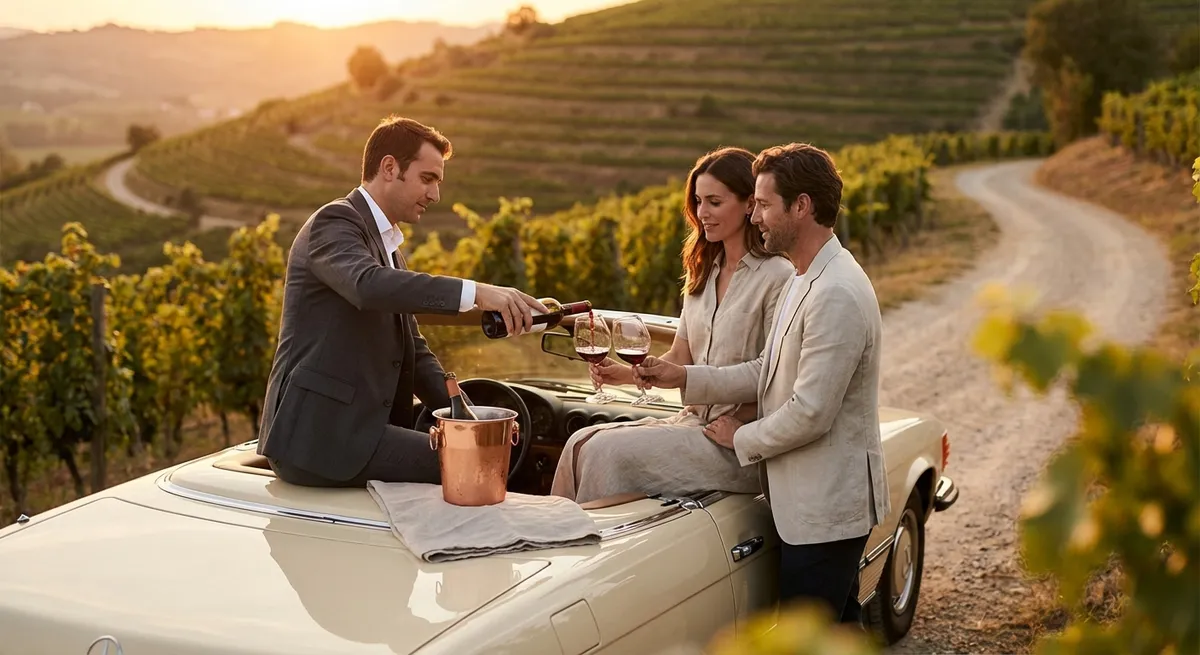
A refined wine tour is not merely a sequence of tastings; it is a choreography of landscapes, cellars, personalities, and moments that reveal a region’s soul through the glass. For the discerning enthusiast, the difference between a pleasant visit and an unforgettable journey lies in details that most itineraries overlook. When purposefully designed, a wine tour becomes a quiet immersion into craftsmanship, culture, and time itself—an experience that lingers long after the last bottle is packed in your luggage.
Rethinking the Wine Tour: From Sightseeing to Provenance
The most memorable wine journeys begin with a shift in mindset: you are not just visiting wineries, you are tracing provenance. Each stop becomes a chapter in a larger narrative—soil composition, exposure, elevation, history, and human decisions converging into specific styles of wine.
This approach invites you to design your route around stories rather than popularity. Instead of “top-rated” lists, you might explore a valley defined by a particular river, or a hillside known for its distinctive marl or limestone. Conversations with producers take on greater depth when you understand that you are following a continuum of terroir rather than hopping between attractions.
By asking a winery not only which wines they recommend, but which neighboring producers they personally admire, you begin to map a region through the eyes of those who make its wines. The tour becomes a curated dialogue with a landscape, rather than a consumer checklist of prestige labels.
The Architecture of Time: Planning Around the Vineyard’s Rhythm
Most wine travelers plan around their own calendars; the connoisseur plans around the vineyard’s. Seasonality, diurnal rhythm, and cellar work shape what you will see, taste, and feel far more than any brochure.
A visit during early spring reveals quiet cellars and the anticipation of budbreak; in late summer, the vines are in full vigor, with canopies carefully managed to balance fruit and foliage. Harvest season offers energy and intensity, but also less time for leisurely conversations. Winter, while visually austere, is when blending decisions, racking, and barrel evaluations often occur—crucial, intimate stages of a wine’s life.
Within a single day, timing matters just as much. Morning visits often showcase wines when your palate is rested and more sensitive to nuance. Late afternoon, the angle of the light transforms vineyard views and can create enchanting conditions for a final, contemplative tasting. Aligning your schedule with the natural and working rhythm of the estate yields a quieter, more authentic experience.
Five Exclusive Insights for the Attentive Wine Traveler
For enthusiasts seeking a more nuanced, insider-level journey, these five refined insights can elevate a wine tour from well-organized to truly exceptional:
1. Taste Along a Single Axis: Vertical, Horizontal, or Soil-Driven
Most visitors taste a producer’s range without structure. Ask instead for a tasting organized around a single, focused axis:
- Vertical tasting (multiple vintages of the same wine) reveals the role of vintage and aging.
- Horizontal tasting (different producers, same vintage and appellation) illuminates stylistic choices.
- Soil or parcel-based tasting (different plots, same variety and vintage) exposes terroir with striking clarity.
This approach allows the architecture of the wine—its evolution, its origins, its interpretation—to become the focal point, transforming a standard tasting into an informal masterclass.
2. Request a Glimpse of the “In-Progress” Wines
Bottled wines are the polished story; barrel, tank, or amphora samples are the draft chapters. When appropriate and if the estate is comfortable, ask whether you may taste one or two wines still in élevage.
Tasting in-progress wines offers a rare window into decisions about texture, oak integration, tannin management, and balance. You begin to see that great bottles are not accidents of nature but carefully stewarded works in continuous refinement. It is a privilege to observe—quietly and respectfully—the craftsmanship behind the label.
3. Study Glassware and Service as Part of the Experience
In refined estates, glassware, serving temperature, and pour sequence are not incidental; they are integral to how the wines express themselves. Take note of which shapes are used for which wines, how long a wine is allowed to breathe, and in what order the tasting is structured.
Ask subtle, specific questions: Why this glass for the Chardonnay? How does this decanting choice affect the Syrah? You will often discover deliberate, thoughtful decisions that reveal how the producer believes their wines are best understood. These details, once noticed, can transform how you serve these bottles at home.
4. Explore the “Library” to Understand a Winery’s Memory
Many serious wineries maintain a library—older vintages preserved not simply for prestige, but for self-education and continuity. If the visit is going particularly well, and the estate offers such experiences, you may inquire about tasting or purchasing a library release.
Older bottles illustrate how the wine’s structure ages, how the house style has evolved, and how gracefully the estate expects its wines to develop. They also provide context for present-day vintages: today’s young wine becomes more intriguing when you have tasted its future in an older sibling.
5. Pair the Landscape with the Glass: Contextual Tasting
A wine is never only about aroma and flavor; it is about geography and atmosphere. When possible, taste at least one wine outside—overlooking the vines from which it originates.
Observe wind patterns, sunlight, slope, nearby forests or bodies of water. Consider how these elements relate to the freshness, ripeness, or aromatic profile in your glass. This alignment of sensory experience—wine and place perceived simultaneously—creates one of the most powerful and enduring impressions a wine tour can offer.
Cultivating Relationships, Not Just Reservations
Exceptional wine tours are built on relationships—often quiet, long-term ones. Returning to the same region and producers over the years allows you to witness evolution: new plantings, shifts in viticulture, refinements in cellar technique, even generational transitions.
Communicating your interests in advance—whether you are fascinated by biodynamics, indigenous varieties, or single-parcel bottlings—invites the estate to personalize your visit. Over time, these ongoing dialogues can lead to invitations to taste experimental cuvées, attend harvest lunches, or preview new releases. For those who travel with sincerity and discretion, the wine world can be remarkably welcoming.
At a regional level, relationships with local sommeliers, boutique wine merchants, and gastronomic restaurants further enrich your experience. Their recommendations often lead you beyond the obvious icons toward producers whose craftsmanship is quietly exceptional and not yet widely publicized. The resulting journey feels less like tourism and more like being gently ushered into an ongoing conversation among people who care deeply about their craft.
The Afterglow: Extending the Journey Beyond the Tour
A refined wine tour does not end at the airport; it continues in how you integrate what you have learned into your daily life. The bottles you bring back are not simply souvenirs, but anchors to memory—each cork a return ticket to a vineyard row, a cellar, a conversation.
Keeping a travel tasting journal—brief, precise, and focused on structure, texture, and emotion rather than just descriptors—enables you to revisit those experiences long after the trip is over. Hosting a small, considered tasting back home, sharing selected wines and stories with a few likeminded friends, allows the journey to ripple outward.
In this way, the value of a premium wine tour is measured not only by how rare or prestigious the wines were, but by how enduringly it refines your palate, deepens your curiosity, and enriches the quiet luxury of opening a thoughtfully chosen bottle.
Conclusion
For the devoted enthusiast, a wine tour is an opportunity to move beyond surface-level impressions into a more intricate understanding of provenance, craftsmanship, and time. By aligning your itinerary with the vineyard’s rhythm, asking more focused questions, and seeking contextual, relationship-driven experiences, you transform travel into education and pleasure in equal measure. The most rewarding journeys are not the most crowded or the most photographed, but the most thoughtfully curated—where every glass is a conversation, every view a chapter, and every bottle a return to the horizon you once tasted in person.
Sources
- Wine Institute – World Wine Consumption and Production Data - Offers authoritative statistics and context on global wine production and consumption, useful for understanding regional significance.
- UC Davis Department of Viticulture and Enology - Educational resources on viticulture, enology, and wine science, underpinning many technical aspects of winegrowing and winemaking.
- Institute of Masters of Wine – Understanding Terroir - Provides professional-level insight into terroir and regional character, relevant to structuring terroir-focused wine tours.
- Decanter – How to Plan a Wine Tour Like a Pro - Offers practical and expert perspectives on planning elevated wine travel experiences.
- Wine Spectator – Vertical and Horizontal Tastings Explained - Explains tasting formats that inform the structured approaches recommended for serious enthusiasts.
Key Takeaway
The most important thing to remember from this article is that this information can change how you think about Wine Tours.