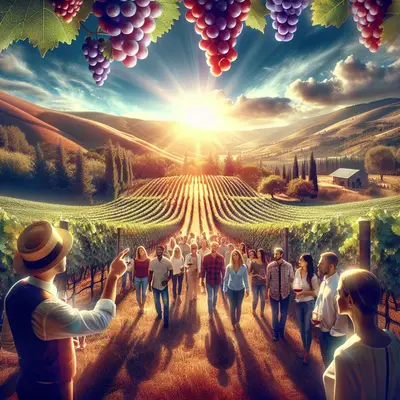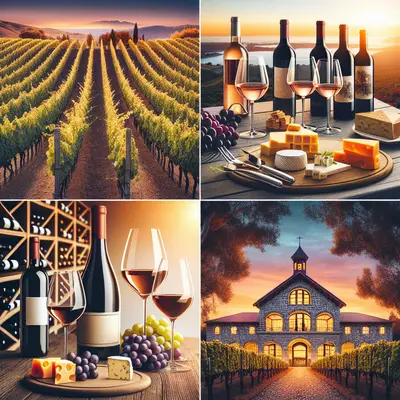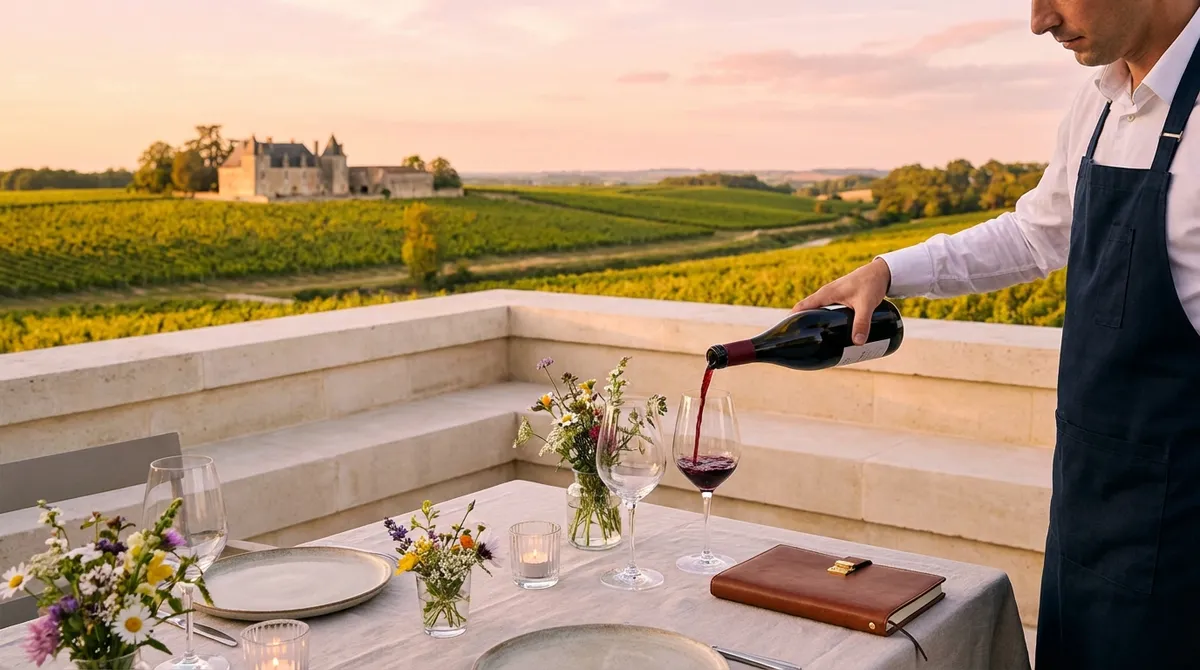
There is a moment, just before the first glass is poured, when the air in a tasting room seems to pause. It is in that pause—between anticipation and experience—that an exceptional wine tour is defined. At Wine Tour Adventures, we believe a truly memorable journey through wine country is not merely about checking vineyards off a map; it is about orchestrating a sequence of places, people, and quiet revelations that feel as if they were composed specifically for you.
This guide explores how to design a bespoke wine tour that feels tailored, intelligent, and deeply rewarding—with five exclusive insights that discerning enthusiasts will appreciate, and most casual visitors never quite discover.
Framing Your Journey: From Region to Micro-Terroir
The temptation, when planning a wine tour, is to think broadly: “Napa,” “Bordeaux,” “Tuscany,” “Willamette.” Sophisticated travelers, however, know that the most meaningful experiences often reside within much smaller circles on the map.
Elevated wine touring begins with understanding not just regions, but sub-appellations and micro-terroirs—places where subtle differences in elevation, aspect, or soil composition translate into distinct nuances in the glass. Instead of “a day in Sonoma,” you might quietly focus on the varied AVAs of the Sonoma Coast or Russian River Valley, deliberately comparing how fog influence or diurnal range shifts the personality of the same grape.
This granular approach transforms your itinerary from a series of stops into a guided exploration. When you choose wineries that illustrate a specific question—How does limestone differ from clay? What happens when Pinot Noir is grown on cooler, wind-exposed slopes?—each tasting room becomes part of a coherent narrative. The result is not simply a pleasant tour, but a structured insight into how place becomes flavor.
The Quiet Art of Timing: Aligning Seasons, Cellars, and Light
Beyond geography, timing is the most refined tool available to the thoughtful wine traveler. Many visitors default to peak season, when the vines are lush and the tasting rooms are busy. While there is energy in that choice, those in search of depth often look to the shoulder seasons, when pacing is gentler and conversations run longer.
In late winter or early spring, for example, barrel tastings can offer a rare preview of a winemaker’s intentions before a wine is finalized. Autumn, post-harvest, may reveal a more contemplative cellar environment: the rush has passed, but the scents of ferment and fresh press still linger. Even within a single day, the angle of the light and the temperature of the air subtly shape the mood. A cool, late-morning tasting encourages precision and clarity of perception; a golden-hour visit invites slower, more reflective indulgence, ideal for savoring library releases or extended food pairings.
Aligning your schedule with both the rhythm of the vineyard and your own sensory preferences is an understated luxury—one that turns an ordinary appointment into an experience that feels uncrowded, unhurried, and entirely yours.
Five Exclusive Insights for the Informed Wine Traveler
Discerning wine enthusiasts know that true value in a tour lies not in volume, but in access—access to information, to context, to perspectives that reveal layers beneath the label. These five insights are rarely highlighted on typical tour brochures, yet they often define the most memorable visits.
1. Vertical Tastings: Reading a Vineyard Through Time
Most tastings present wines from a single producer across different grape varieties or vineyard sites. For deeper understanding, request a vertical tasting when possible: multiple vintages of the same wine, drawn from the same vineyard. This allows you to “read” a site across years—how a cooler or warmer season shifts texture, structure, and aromatics; how a winemaker’s stylistic evolution reveals itself in the glass.
A vertical does more than showcase a cellar’s back-vintage treasures; it offers a rare, almost archival insight into the life of a vineyard and the philosophy of the team that tends it. For serious collectors, it is also an invaluable reference for how that producer’s wines age in real time.
2. Vineyard Walks with Purpose, Not Just Views
A stroll among the vines is a familiar part of wine tourism—but the most quietly transformative vineyard walks are those guided by specific inquiry. Instead of a simple scenic tour, ask to focus on one or two elements: canopy management, soil differences, or clonal selection of a particular grape.
Standing between two adjacent blocks and feeling how the wind shifts, or how the soil crumbles differently in your hand, ties an abstract tasting note—“minerality,” “freshness,” “structure”—to something you can see and touch. Enthusiasts who understand these physical realities often find their future tastings, anywhere in the world, become sharper and more intuitive.
3. Barrel Room Conversations Beyond the Script
Barrel rooms are naturally dramatic spaces—cool, dim, and resonant. Most tours include a short explanation of aging vessels, but seasoned visitors know that this is an ideal moment to ask questions that go beyond the standard script: Why this particular oak forest or cooper? How has the ratio of new to neutral barrels changed over recent years? Under what conditions would the winemaker choose concrete, amphora, or larger-format casks instead?
These are the choices that shape texture, length, and integration of tannin. Discussing them directly with the winemaker or cellar master, rather than reading about them later, allows you to connect technical decisions with immediate sensory impressions, especially if you can taste from barrel and then compare to bottled versions of the same wine.
4. Exploring Non-Flagship Wines for Insider Perspective
Every renowned producer has a flagship wine, but connoisseurs often look closely at what sits just outside the spotlight: the lesser-known cuvée, the experimental bottling, the single parcel that is made only when conditions align perfectly. These wines are often made in smaller quantities, for club members or on-site visitors, and can reveal a producer’s more personal curiosities and ambitions.
Tasting these side projects provides a glimpse into the creative and intellectual restlessness that drives great wine. They may not be the most famous labels in the portfolio, but they frequently become the bottles guests discuss most animatedly at dinner tables long after the tour concludes.
5. Pairing Menus as Sensory Laboratories, Not Just Lunch
Food pairings at wineries can be easy to treat as a luxurious interlude, but they also represent an understated laboratory for sensory exploration. Instead of simply accepting each pairing, pay attention to why the match works—or, occasionally, why it doesn’t. How does acidity in a dish adjust your perception of the wine’s freshness? Does a delicate course reveal nuance, or does it become overshadowed?
Asking the culinary team to vary a single element—salt, acidity, texture—can be surprisingly revealing. An intelligent pairing experience, guided by a sommelier or chef who can articulate their logic, can refine your understanding of what you later choose to serve at home. For serious enthusiasts, this becomes not just a meal, but advanced practice in hospitality and harmony.
Personalization as the Ultimate Luxury
In an age of instantly bookable experiences, the true luxury in wine touring is not opulence—it is intentionality. A carefully composed itinerary feels less like a package and more like a private symposium: a series of considered conversations, places, and glasses that reflect your curiosity and taste.
Work with guides, concierges, or directly with wineries to articulate your priorities: Are you drawn to traditional methods or progressive experimentation? Do you prefer exploring one variety across multiple producers, or multiple varieties from a single, meticulously farmed estate? Are you intrigued by sustainability certifications, low-intervention winemaking, or heritage plantings?
When each visit is chosen with these questions in mind, the journey stops being a generic overview of a region and becomes an intimate exploration of your own preferences. You leave not only with bottles, but with a clearer sense of what genuinely moves you in a glass of wine—and where in the world you might seek that feeling again.
Conclusion
An exceptional wine tour does not announce itself with grand gestures; it reveals itself in the coherence of its details. The alignment of season and light, the quiet rigor of a vertical tasting, the unexpected resonance of an experimental cuvée—all of these contribute to a narrative that feels at once refined and deeply personal.
For the discerning traveler, wine country is not a backdrop but a living text, to be read through vineyards, barrels, and conversations. When your itinerary is curated with patience and precision, each visit becomes a chapter, each glass a footnote of nuance, and the journey itself a carefully bound volume you will return to, in memory, long after the last cork has been drawn.
Sources
- U.S. Alcohol and Tobacco Tax and Trade Bureau – AVA Designation – Defines American Viticultural Areas and explains how sub-appellations are established
- University of California, Davis – Terroir and Wine Quality – Provides research-based insight into how soil, climate, and site influence wine character
- Wine Institute – California Winegrowing Regions – Offers detailed overviews of California’s major and minor wine regions and their stylistic distinctions
- Bordeaux Wine Council (CIVB) – Explains Bordeaux’s appellations, sub-regions, and how terroir and classification shape wine styles
- Harvard T.H. Chan School of Public Health – The Science of Taste – Discusses how sensory perception, food pairing, and context influence flavor experience
Key Takeaway
The most important thing to remember from this article is that this information can change how you think about Wine Tours.