There comes a moment in every wine lover’s journey when simply visiting vineyards is no longer enough. You begin to crave something more deliberate, more intimate—a way of traveling that feels as carefully composed as a grand cuvée. Bespoke wine touring is that next chapter: a world where itineraries are tailored with the same precision as a winemaker’s blend, and every stop feels purposefully chosen, not casually discovered.
At Wine Tour Adventures, we treat a wine tour as a narrative rather than a checklist. The vineyards, cellars, drives, and meals form distinct chapters in a story that unfolds over hours or days—revealing not just wines, but the people, decisions, and landscapes that shape them. Below, explore five exclusive insights that transform a pleasant vineyard visit into an exceptional, collector‑level experience.
1. Reading the Landscape Like a Sommelier Reads a Glass
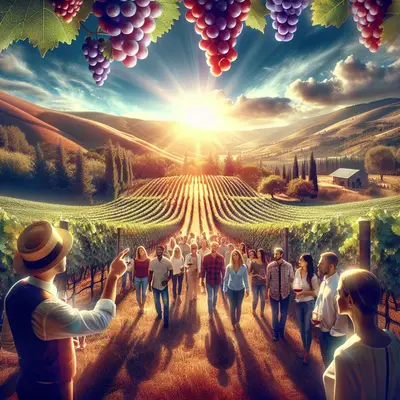
Seasoned wine travelers know that vineyards are best understood from a slight distance—on a ridge line, at a curve in the road, or from a terrace where the view opens into a full panorama. The most refined tours are designed so that you encounter each estate first as a landscape, not as a building or a brand. From this vantage, subtle shifts in elevation, exposure, and soil color become visible clues to the wines you’re about to explore. You begin to recognize why one slope is reserved for the estate’s flagship bottling while another is destined for a more delicate cuvée.
On a curated itinerary, guides don’t merely point to parcels; they help you “read” them. You might pause at a viewpoint where a single river bend explains the freshness in a region’s whites, or where the gap in a mountain range quietly accounts for the ripeness of its reds. As you move from panorama to tasting, you notice that terroir is no longer an abstract term—it’s a map you’ve already walked.
2. Appointment‑Only: The True Currency of Access
Many of the world’s most compelling wine experiences are invisible to casual visitors. They exist behind gates with no public hours, in small family domains without official tasting rooms, or in historic estates that receive guests solely by discreet appointment. The luxury here is not velvet ropes, but considered access: entering spaces where the rhythm is set by the winery’s needs rather than the pressure of constant foot traffic.
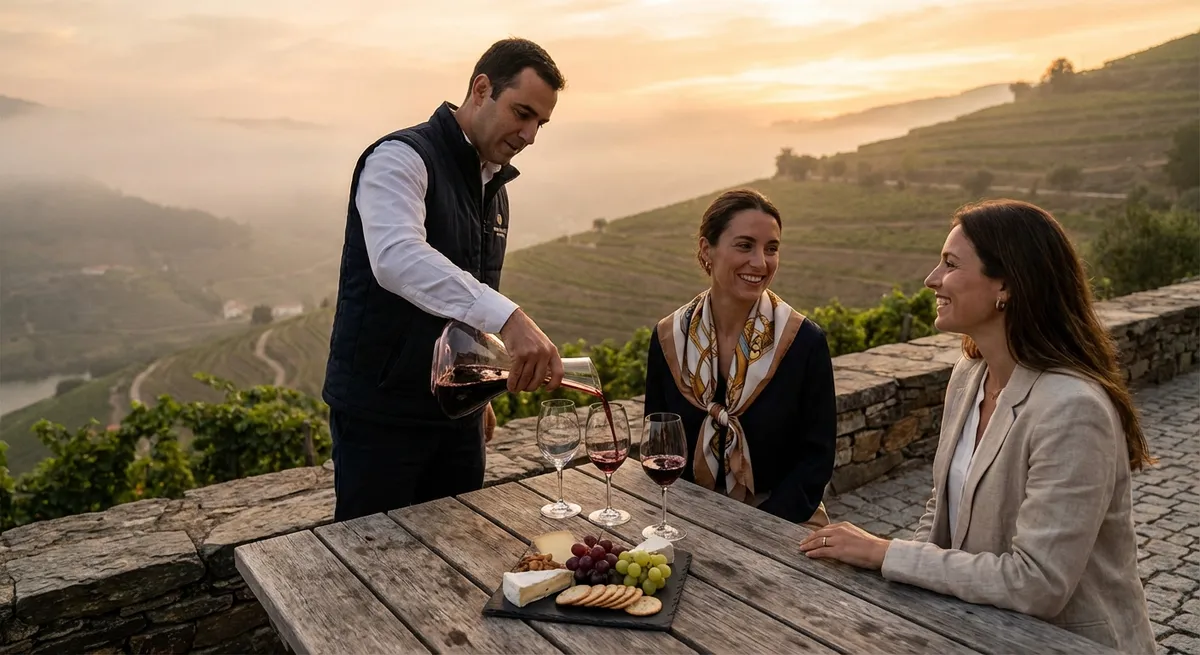
A well‑orchestrated wine tour leans into this world of private hospitality. Instead of lining up at a crowded bar, you might find yourself welcomed into a library lined with vintages rarely seen on retail shelves, or seated at a farmhouse table while the winemaker pours directly from unlabeled bottles. These quiet appointments often reveal work‑in‑progress wines, experimental lots, or small‑parcel bottlings reserved for insiders. For enthusiasts, the value is not simply tasting something rare; it is understanding how that wine fits into the estate’s broader philosophy and future.
3. Vertical Tastings: Time as the Ultimate Luxury
Collectors often say that time is a wine’s greatest benefactor, and nowhere is this more evident than in a carefully planned vertical tasting. Instead of sampling across a producer’s range, you taste the same wine over multiple vintages, tracing a single expression through the years. This is not a standard tourist offering; it requires cellared stock, thoughtful selection, and a host willing to share both bottles and context.
On a premium wine tour, verticals are more than a special pour—they’re a lens on history. A cool, late harvest year might show as an elegant, finely etched vintage, while a warmer season reveals deeper fruit and more generous structure. Your host might recall the exact harvest day when a sudden storm forced rapid picking, or the barrel trials that led to a shift in oak regimen. With each glass, you taste not only the variables of weather and winemaking but the evolution of a single idea over time. It’s an experience that changes how you view your own cellar, prompting you to collect with narrative as well as enjoyment in mind.
4. Pairing the Winemaker’s Table With the Region’s Quiet Icons
At the highest levels, wine touring becomes inseparable from the culinary traditions that surround it. Yet the most memorable pairings are rarely found on marquee tasting‑menu lists alone. They emerge from encounters with artisans whose work rarely leaves the region: a cheesemaker whose production barely clears the local market, a baker whose naturally leavened bread is spoken of in hushed tones, or a small family farm producing olive oil, honey, or charcuterie in vanishingly small quantities.
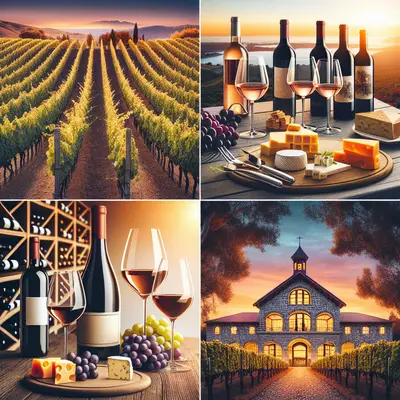
The most refined itineraries weave these artisans into the fabric of the tour, not as novelty stops but as essential supporting characters. You might experience a single vineyard white alongside a nearly forgotten local cheese, discovering how the wine’s salinity unlocks the cheese’s delicacy. Or a structured red may be served with cured meats from a breed raised only in a neighboring valley, highlighting nuances of spice and texture impossible to replicate elsewhere. This approach reframes pairing as cultural dialogue; you begin to see each wine not as a standalone luxury, but as part of an intricate, living ecosystem of craft.
5. Collecting Moments: Cellar‑Worthy Experiences, Not Just Bottles
For many enthusiasts, the impulse after an exceptional tasting is to buy aggressively. Bespoke tours, however, encourage a more considered form of collecting—one that prioritizes depth over volume and memory over sheer quantity. Rather than emerging with random cases, you might depart an estate with a trio of vintages chosen to be opened at distinct milestones, or a single magnum signed and dated during your visit, intended for a specific future gathering.
The most sophisticated guides help you think about your purchases as a curated extension of the journey. They might suggest a bottle that will peak just in time for an anniversary a decade away, or a mixed selection that allows you to recreate a miniature vertical at home. Detailed tasting notes, photography of vineyard plots, and even short reflections from the winemaker can be gathered along the way, turning your personal cellar into an archive of experiences rather than a simple storage space. Years later, when a cork is finally pulled, the wine will pour out layered with memory: the vineyard air, the light that afternoon, the conversation that led you to that particular bottle.
Conclusion
A truly elevated wine tour is not built on spectacle, but on precision—of timing, of access, of context. It respects your palate and your curiosity, guiding you beyond the surface of tasting rooms into a world where every stop is purposeful and every pour tells a larger story. When designed with care, a wine journey becomes an intimate collaboration between traveler, guide, and producer, each contributing to an experience that lingers long after the last glass is drained.
With Wine Tour Adventures, the road between vineyards becomes more than transit; it becomes the line that connects the chapters of your own evolving wine story.
Key Takeaway
The most important thing to remember from this article is that this information can change how you think about Wine Tours.