There is a profound difference between simply “going wine tasting” and orchestrating a vineyard encounter that feels almost tailor‑made for your palate, your curiosity, and your sense of place. The modern wine traveler is no longer content with a standard flight at a crowded bar; they seek quiet depth, attentive hospitality, and a genuine connection to the land and the people who steward it. A vineyard visit, when thoughtfully composed, becomes less an outing and more a finely tuned experience—one that lingers in memory long after the final glass has been poured.
In this guide, we explore how to approach vineyard visits with intentionality, along with five exclusive insights that discerning wine enthusiasts will recognize as the true markers of an exceptional experience.
Designing a Visit Around the Vineyard, Not the Tasting Room
The most memorable vineyard visits begin outside the walls of the tasting room. Instead of starting at the bar, consider arranging your day around the vineyard itself: the specifics of its exposure, its soils, its seasonal rhythms.
Request an appointment that includes a short walk among the vines, even if it is only a gentle stroll to a nearby block. Ask the estate to highlight a single parcel—perhaps an older planting, a wind‑exposed slope, or a recently replanted section—and focus your questions around that site. By grounding the conversation in a precise corner of the vineyard, every wine you taste becomes an expression of a place you have actually seen and felt underfoot.
A vineyard‑first approach may also guide when you visit. Early morning, when dew still clings to the leaves, offers cool air and luminous light for photography and reflection. Late afternoon, with long shadows and soft warmth, invites a slower, more contemplative pace. These decisions subtly shift the tone of your visit from transactional to experiential, and they set the stage for deeper, more nuanced conversations with your host.
Insight 1: Reading the Landscape Like a Sommelier
A serious enthusiast understands that great wine is, fundamentally, edited landscape. Before your first sip, take a moment to “read” the setting the way a sommelier might interpret a label.
Observe the orientation of the rows: do they run north–south to maximize even sun exposure, or east–west to temper intensity? Note the gradient—is the slope gentle or dramatic, and where does water naturally collect or drain away? Look for variation in soil color and texture between blocks; lighter, rockier topsoil may signal better drainage and reduced vigor, often aligned with more concentrated fruit.
These quiet observations become more compelling when you later taste single‑vineyard wines or cuvées sourced from different parcels. A wine grown on a breezy, elevated hillside may show higher acidity, finer tannins, and a more linear profile than its counterpart from a richer, lower plot. By correlating what you see with what you taste, you transform your visit into an exercise in terroir literacy—an ability to decode the landscape in the glass.
Insight 2: Exploring the “Invisible” Architecture of the Cellar
Not all architecture is visible; some of the most decisive structures in a winery are the protocols, vessels, and timings that shape the wine from harvest to bottling. During your visit, look beyond the romance of barrels and candlelit caves and direct your attention to the subtleties of the cellar’s internal choreography.
Notice the mix of fermenters: stainless steel tanks, concrete eggs, large neutral foudres, or small oak barrels each guide the development of texture and aromatics in distinctive ways. Ask where spontaneous fermentation is used versus inoculated yeasts, and why. Explore how the estate manages oxygen exposure—through racking, lees contact, and topping schedules—and what that means for longevity and mouthfeel.
The most insightful question is often not “What do you use?” but “Where do you refrain?” For example, which cuvées see no new oak at all, or minimal intervention? This reveals the estate’s hierarchy of wines and the level of confidence they place in a given site or vintage. Understanding these hidden structures adds a layer of appreciation that persists well beyond your visit, informing how you assess future releases from the same producer.
Insight 3: Tasting Along the Vintage Curve
A refined vineyard visit does more than showcase the current release. When possible, seek a tasting that traces an arc through several vintages of the same wine. This is where the true personality of both place and producer emerges.
Vertical tastings—multiple years of the same wine—allow you to perceive how a single site responds to different weather patterns and growing conditions. A cooler year may yield red wines with higher acidity, more restraint, and a filament of herbal nuance; a warmer vintage might show richer fruit and softer structure. The cellar philosophy remains largely constant, so what you perceive in the glass is, to a great degree, a record of the season.
If an estate offers back‑vintage bottles during your visit, consider purchasing one to age alongside a more recent release. Opening them together in several years allows you to reconstruct the narrative of your visit and test your own sensory memory. For the devoted enthusiast, this is one of the most gratifying ways to bridge the gap between travel and long‑term collecting.
Insight 4: Observing the Human Craft Behind the Hospitality
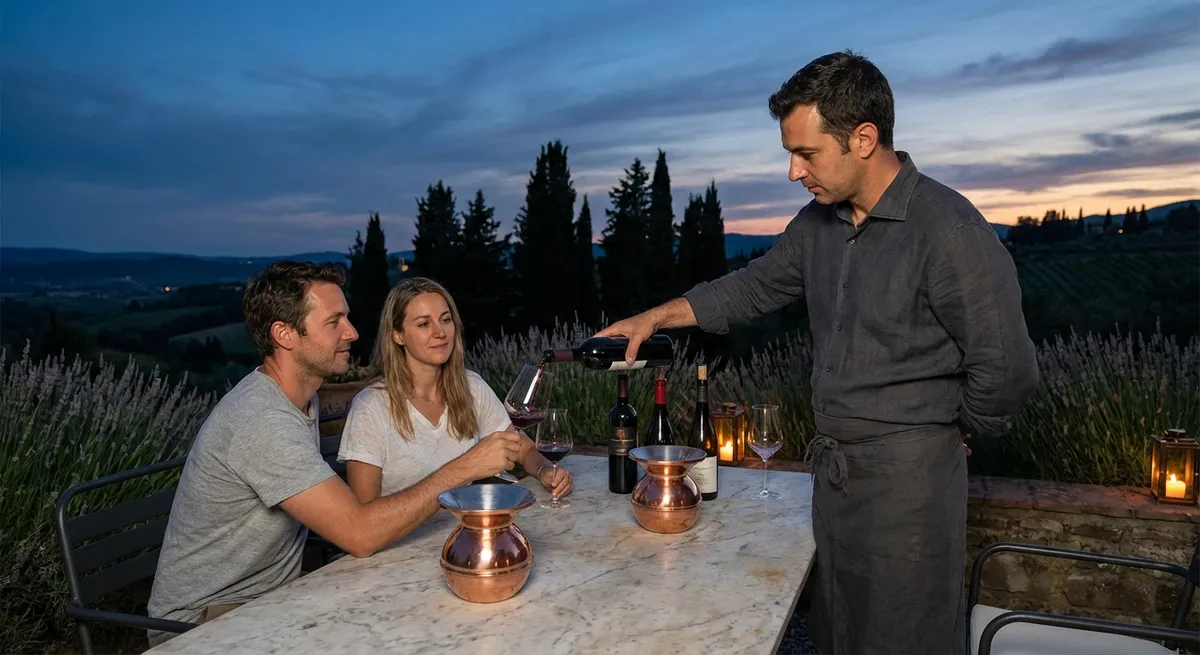
In a premium setting, hospitality is itself a form of craftsmanship. The intention with which you are received often mirrors the care taken in the vineyard and cellar. During your visit, pay attention to the rhythm and quality of human interaction; it is quietly telling.
Is your host fluent in both technical detail and plain language, able to pivot based on your interest? Do they listen first—asking about your preferences and experience—before tailoring the tasting flight or tour? Notice how quickly they adjust glassware, pacing, or even the sequence of wines when they see how you respond. Such responsiveness signals a culture of attentiveness that rarely exists in isolation; it usually extends to picking decisions, blending choices, and quality control.
If you have the opportunity to meet the winemaker, viticulturist, or owner, observe how they speak about their work. Their emphasis—on yields, sustainability, tradition, innovation, or longevity—will inform your perception of the wines you taste. An estate that invests in training its hosts to communicate these values clearly is likely equally rigorous in every other dimension of its operation.
Insight 5: Curating Your Own Post‑Visit “Library” at Home
The most sophisticated vineyard visits do not end at the estate gates; they continue in the way you integrate the experience into your ongoing wine life. Rather than scattering your purchases across multiple visits, consider treating each estate as a chapter in your personal library.
During your tasting, identify one wine that captures the essence of the place for you—perhaps a flagship cuvée, a single‑parcel bottling, or an unexpectedly compelling “outsider” grape variety. Acquire two or three bottles with a clear plan: one to open within the next year, one to revisit at its recommended drinking window, and, if possible, a third to age beyond that window to explore its evolution.
Document your impressions immediately after your visit: the weather, the light, the conversation, the specific vineyard blocks you saw, and any technical details that stood out. When you open the wine years later, this context transforms a simple bottle into a time capsule. For enthusiasts who visit multiple regions, this practice yields a curated archive of memories and sensory benchmarks, deepening both your palate and your personal connection to each place.
Conclusion
A vineyard visit, at its highest level, is an intricate alignment of site, season, craft, and conversation. By stepping beyond conventional tastings and engaging with the nuanced realities of landscape, cellar practice, vintage variation, hospitality, and long‑term collecting, you elevate your experience from pleasant to profound. The reward is not only better understanding of the wines you love, but a more intimate relationship with the people and places that create them.
Approached with this degree of intention, each visit becomes a chapter in a larger narrative—a continuing journey through the world’s vineyards, where every glass revisits a moment in time, a hillside under a particular light, and the quiet dedication of those who shape the wine in your glass.
Sources
- University of California, Davis – Terroir and Vineyard Site Selection - Research‑based overview of how soil, climate, and topography influence wine quality
- Wine Institute – California’s Sustainable Winegrowing Program - Details on sustainable practices that impact vineyard management and winery operations
- Burgundy Wine Board (BIVB) – Understanding Vintages - Insight into how different vintages shape wine style and structure
- Institute of Masters of Wine – The Role of Oak in Winemaking - In‑depth discussion of vessels, maturation choices, and their impact on wine
- Cornell College of Agriculture and Life Sciences – Wine Tasting and Evaluation - Educational resource on structured tasting and sensory analysis techniques
Key Takeaway
The most important thing to remember from this article is that this information can change how you think about Vineyard Visits.