Wine tasting, at its most refined, is less an activity and more a cultivated ritual—an interplay of place, time, and perception. For travelers who design their journeys around vineyards and cellars, the pleasure lies not only in what is poured, but in how it is perceived. This is the quiet luxury of wine: each glass a conversation between terroir, craftsmanship, and the taster’s own sensibilities.
Below, we explore five exclusive insights that transform wine tasting from a pleasant pastime into an exquisitely tuned experience—one that rewards focus, patience, and a taste for detail.
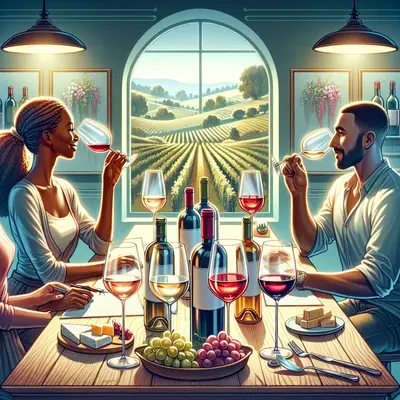
The Architecture of the Tasting Room: How Space Shapes Your Palate
Before the first sip, the room is already speaking. Light, temperature, acoustics, and even the color of the walls subtly influence how a wine presents itself. Premium wineries understand that the environment is an extension of the glass, and they orchestrate the room as carefully as they manage their vineyards.
Soft, neutral light allows the true color and viscosity of the wine to emerge without distortion. Natural light is ideal, but when it is not possible, high-quality, warm-toned artificial lighting offers a close second. Overly bright or colored lighting can make whites appear washed out or reds overly dense, skewing your expectations before you even taste.
Sound plays its part as well. A hushed, well-insulated room encourages concentration; it invites you to note the tiny transitions in aroma as the wine opens. Subtle background music can work if it is restrained and thoughtfully chosen, but in the most elevated tasting experiences, conversation and clinking glassware are the only soundtrack.
Temperature is another silent architect of perception. A room that is too warm collapses aromatics into a blur, while a chilly space dulls the nose and flattens texture. The best tasting spaces keep both room and glass at carefully monitored temperatures, allowing each style of wine to express itself with precision. When planning your own wine-focused travels, pay attention not only to the winery, but to the intentionality of the space in which you’ll be tasting. It is often the first signal of how seriously they take your experience.
Reading the Wine’s Silence: Aromas Beyond the Obvious
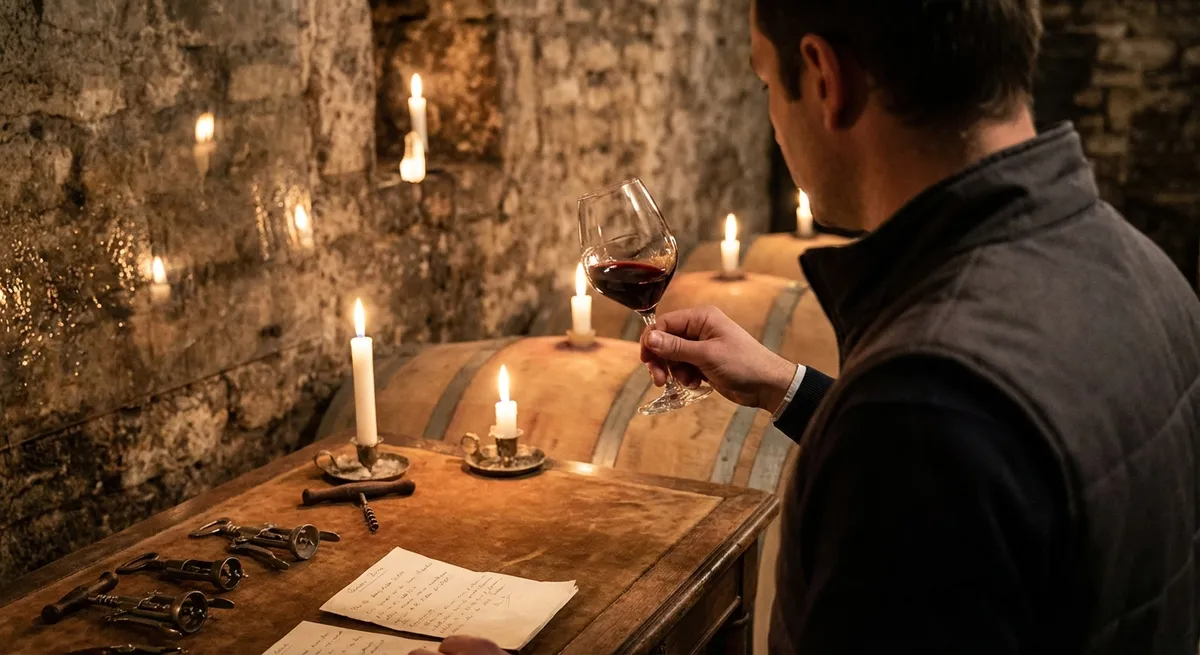
Serious wine enthusiasts quickly learn that the most rewarding aromas are rarely the loudest. While primary notes of fruit and florals are immediate and obvious, it is the quieter, secondary and tertiary aromas—often experienced at the edges of perception—that distinguish an interesting wine from a truly compelling one.
One of the most refined techniques is to approach the glass in two steps: a short, gentle first pass, and a deeper, lingering second. The first pass often highlights the high notes: citrus in a Riesling, red berries in a Pinot Noir, white blossoms in a Chardonnay. The second, slower inhale—after a small swirl—reveals the subtler architecture: the chalky impression of limestone, the faint smoke of a restrained oak regime, the whisper of dried herbs carried from neighboring fields.
Over time, you may start to recognize “textural” aromas—sensations that seem almost tactile in the nose. Crushed stone, wet slate, graphite, or warm clay do not simply smell like minerals or soil; they suggest density, tension, or breadth on the palate before you’ve even tasted the wine. This ability to connect aromatic impressions with anticipated texture is one of the quiet pleasures that separates seasoned tasters from casual drinkers.
Truly elevated wineries will often serve the same wine in different states of aeration—freshly opened, gently decanted, or poured from a bottle that has been open for some time—to demonstrate how aroma evolves. When you encounter this kind of tasting, take your time. The silence between sniffs is where your sense memory starts to assemble a more complete story of the wine and its origin.
The Line of Tension: Discovering Texture as a Signature of Style
Many wine lovers speak readily of flavor—blackberry, lemon zest, jasmine, vanilla—but those who travel deeply into the wine world become equally, if not more, fascinated by texture. Texture is where fine wine often distinguishes itself most clearly: the grain of the tannins, the width of the mid-palate, the precision or softness of the finish.
Think of some wines as drawn with charcoal and others with ink. A young, high-altitude Cabernet might feel angular and structured, its tannins like finely abraded graphite across the gums. A carefully aged Merlot from clay-rich soils, by contrast, might feel velvety, its edges softened but not blurred, the palate gliding from attack to finish with a kind of restrained generosity.
Acidity creates another dimension of tactile experience—a line of tension that runs through the wine. In great white wines, this acidity is less about “sharpness” and more about energy; it is the silent force that lifts flavors and elongates the finish. In premium tastings, you will often notice that the most elegant wines do not feel heavy, even when they are concentrated. They carry their richness on a framework of finely tuned acidity and tannin, rather than on sheer weight.
An elevated practice is to pay attention to the “shape” of the wine in your mouth. Does it enter quickly and then disperse, like a fan opening? Does it move in a straight, focused line from front to back? Does it seem to swell in the mid-palate before resolving? Making mental notes in these terms allows you to compare wines across regions and vintages with greater subtlety. Over time, you will find that your preferred regions or producers are often those whose textural signatures align with your own sensibilities.
Time as a Hidden Ingredient: Pacing a High-End Tasting Experience
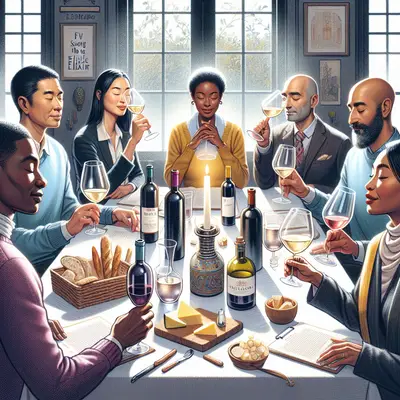
In the premium wine world, time is not only what shaped the vintage; it is also a deliberate part of how the wine is presented. The most memorable tastings are rarely rushed. They are carefully paced to allow each wine to reveal itself in chapters, mirroring the slow evolution that occurs in bottle over years, but condensed into a focused hour or two in the glass.
A sophisticated approach to tasting—whether at home or at a winery—begins with restraint. Rather than racing through a flight, pause after each pour and observe how the wine changes minute by minute. The first taste, especially of a young or tightly wound wine, may be only a hint of what is to come. As oxygen does its work, aromatics unlock, tannins soften, and the finish often grows more articulate.
Premium wineries increasingly design tastings around this principle. A thoughtful host may pour a structured red early in the lineup with the intention of returning to it later, inviting you to compare your first impression with the wine’s later expression. Others might structure vertical tastings—multiple vintages of the same wine—so that you can sense how time has shaped each year differently, and how patience is rewarded.
When you plan your own wine travels, look for experiences that emphasize duration rather than quantity: fewer wines, more time. A long, seated tasting with space for conversation and stillness often reveals far more than a rapid-fire lineup of a dozen quick pours. In this context, time becomes the final, essential seasoning—one that cannot be rushed without losing nuance.
The Dialogue with Place: Recognizing When Terroir Speaks Softly
Terroir is often described in grand terms—mountains, climate, soils of ancient seabeds—but its most sophisticated expressions can be disarmingly subtle. For the attentive taster, one of the greatest pleasures in wine is recognizing not just what is in the glass, but where it comes from, and how gently or emphatically that origin is expressed.
Some sites speak loudly. High-altitude vineyards or windswept coastal plots imprint their wines with instantly recognizable signatures: piercing acidity, salinity, or a particular aromatic profile. Other places whisper. A gently sloping, well-exposed vineyard might give wines of quiet balance, where no single element dominates, but everything feels improbably proportioned. In these cases, terroir is less a set of flavors and more a sense of equilibrium that reappears across vintages.
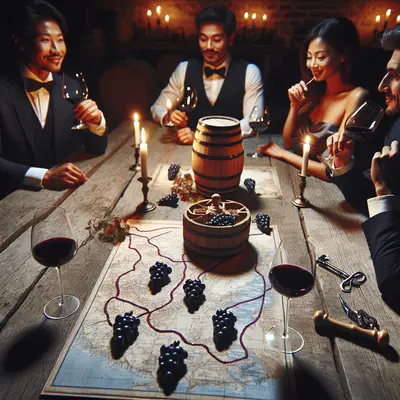
Elevated tastings increasingly frame wine not as isolated products but as points in a landscape. Hosts may present soil samples, maps, or photographs of specific vineyard blocks so you can connect the glass to a precise piece of earth. When traveling, seek experiences that bring you into the vineyard itself—walking the rows, feeling the wind direction, noting the proximity to forests, rivers, or the sea. Once you have stood where the vines grow, even a subtle terroir expression becomes more vivid.
As your palate develops, you will start to recognize families of place: limestone-driven tension in one region, volcanic grip in another, river-influenced freshness elsewhere. These are not rigid rules, but patterns that reward careful, repeated exploration. Ultimately, the deepest satisfaction for many wine enthusiasts is this moment of recognition: when a wine seems to carry the quiet memory of the place where it was born, and you can taste, however faintly, the echo of that landscape in the glass.
Conclusion
Wine tasting at a premium level is not about collecting elaborate descriptors or chasing the rarest labels. It is about refinement—of attention, of pacing, of curiosity. The most rewarding experiences arise when you allow space for the wine to unfold, listen to the tasting room as part of the story, attend to texture as carefully as flavor, and seek the quiet dialogue between wine and place.
For the discerning traveler, each thoughtfully designed tasting becomes a small, elegant journey in itself—one that lingers long after the last glass is emptied, and that subtly recalibrates what you look for in every wine that follows.
Sources
- Institute of Masters of Wine – Understanding Wine Tasting – Overview of professional tasting approaches and sensory evaluation
- Wine & Spirit Education Trust (WSET) – Systematic Approach to Tasting – Formal framework for assessing appearance, nose, and palate
- UC Davis Department of Viticulture and Enology – Research-based resources on wine aroma, flavor, and structure
- Decanter – Why Time in the Glass Matters – Discussion of aeration, breathing, and evolution of wine in the glass
- Wine Folly – Wine Serving & Temperature – Practical guidance on temperature’s impact on aroma, flavor, and balance
Key Takeaway
The most important thing to remember from this article is that this information can change how you think about Wine Tasting.