In the upper echelons of the wine world, true luxury is never loud. It resides in the stillness of cool cellars, in the precision of vineyard rows aligned to the morning light, and in the restraint of winemakers who know when not to intervene. Premium wineries are not merely destinations; they are choreographed experiences where architecture, landscape, and craft are composed with the same rigor as a grand cuvée. For the attentive traveler, these estates reveal a quiet, rarefied universe—one that rewards curiosity, patience, and a palate tuned to nuance.
The Architecture of Restraint: Spaces Crafted for the Senses
At the finest wineries, architecture is not an aesthetic afterthought; it is a sensory instrument. The building frames the landscape in deliberate vignettes, guiding the eye from vine to valley, from barrel room to tasting salon. Light is softened to preserve both wine and mood. Materials—stone, wood, glass, and metal—are chosen as much for their tactile presence as for their visual appeal.
Premium estates often integrate gravity-flow designs, allowing grapes and juice to move gently from sorting tables to fermenters and into barrel, without the aggression of pumps. This technical choice is seamlessly folded into the visitor’s journey: walking down through levels rather than up staircases, feeling a gradual drop in temperature, and watching the production story unfold as an architectural narrative. The result is not spectacle but serenity, an environment calibrated to slow the visitor’s pace so that a single glass can command full attention.
In these spaces, silence is intentional. Ambient noise is subdued so that the faint crackle of a barrel room, the whisper of a decanting siphon, and the aroma evolution in the glass become the true focus. The best architecture in wine country does not compete with the wine; it creates the most flattering stage on which the wine can speak.
Exclusive Insight #1: Seek estates where the tour path follows the wine’s own journey—from vineyard to crush pad, cellar, and finally tasting room. This mirrored progression often signals a level of design and intention indicative of a truly premium operation.
Time as a Luxury Ingredient: Extended Élevage and Patient Releases
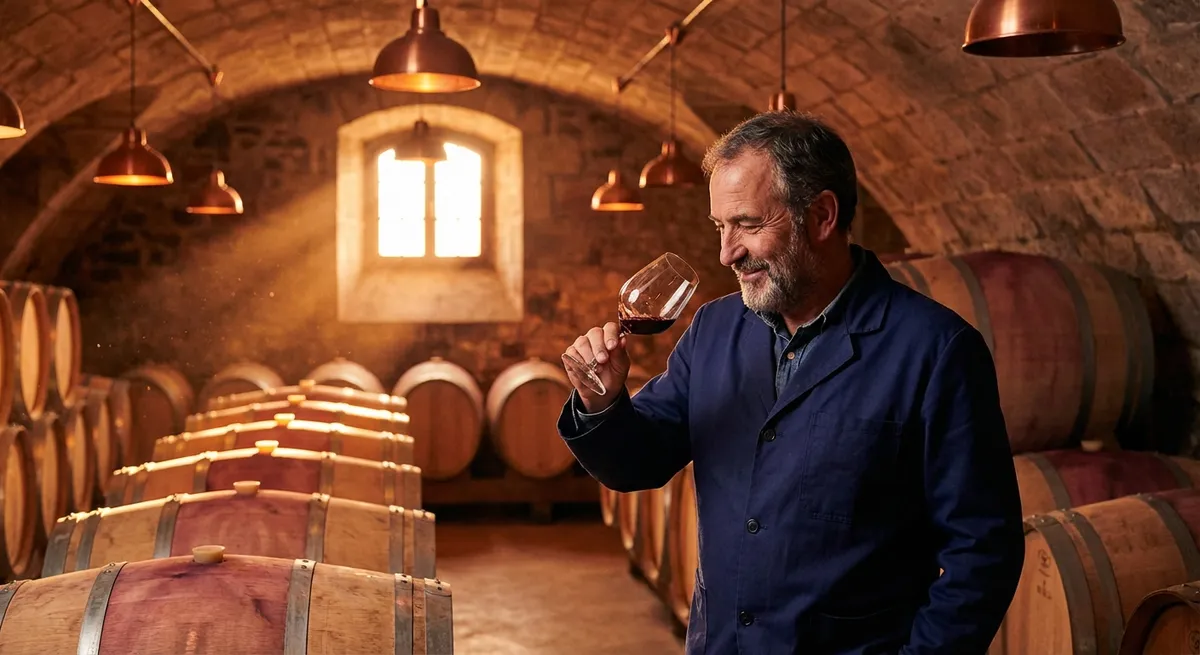
If there is one element that distinguishes premium wineries, it is their relationship with time. At this level, time is not a constraint but an ingredient—applied judiciously, even extravagantly, when the wine demands it. Extended élevage (the period between fermentation and bottling) is common: wines may rest on lees for additional texture, remain in barrel far longer than regional norms, or be held in bottle for years before release.
This patience is costly. Barrels occupy valuable space, cash flow is deferred, and the estate must have the confidence—and the capital—to wait. Yet the payoff is extraordinary composure in the glass: tannins that feel silked rather than sanded, acidity that integrates rather than dominates, aromatics that shift with unhurried complexity.
Some of the world’s most revered producers choose to release their wines only when they believe they have reached a point of genuine approachability, even if that means offering a “younger” vintage several years after their peers. For the discerning visitor, encountering a newly released wine that already carries a sense of internal calm is a signature of this philosophy.
Exclusive Insight #2: When visiting a high-end estate, ask specifically about their release schedule versus regional norms—how long wines remain in barrel and bottle. A willingness to postpone release often indicates an estate where quality is prioritized above immediate commercial return.
Precision in the Vineyard: Micro-Parcels and Invisible Labor
In premium vineyards, the true artistry is often performed before sunrise and after dusk. These estates view their land not as a single block, but as a mosaic of micro-parcels, each with its own soil structure, exposure, wind pattern, and drainage profile. Differences measured in meters—not hectares—are studied, mapped, and vinified separately.
The farming is exacting. Meticulous canopy management allows just enough dappled light to reach the fruit. Yields are deliberately restricted, often through multiple passes of green harvesting. Cover crops are chosen not merely for sustainability, but for the precise influence they exert on vigor, biodiversity, and soil microbiome. In many top-tier estates, teams will walk the rows repeatedly in the weeks before harvest, tasting berries rather than simply measuring sugar levels, waiting for phenolic maturity that can be felt in the texture of skins and seeds.
This invisible labor is rarely showcased in tasting notes, yet it underpins the refinement in the glass. Wines from vineyards farmed in this way tend to possess a clarity of flavor, a precision of structure, and a sense of place that is difficult to replicate in more industrially managed sites.
Exclusive Insight #3: During your visit, inquire whether the winery vinifies parcels separately and then blends. Estates that can discuss specific blocks, soil types, and their individual roles in the final cuvée often operate at a level of viticultural detail that sets them apart.
The Art of Bespoke Service: Tasting as a Curated Dialogue
Premium wineries increasingly see hospitality as an extension of their winemaking philosophy. Here, tastings are not transactions; they are dialogues. The most compelling experiences feel tailored—subtle calibrations in flight selection, pacing, and setting that respond to the guest rather than forcing them into a predefined script.
At these estates, the host is not simply reciting memorized information but reading the room. A guest with a scientific background might be guided into a conversation about yeast strains, barrel toasting profiles, or malolactic fermentation choices. Another, more sensorially inclined guest may be offered comparative tastings focused on texture, mouthfeel, and aromatic evolution across vintages.
Premium service is rarely ostentatious. Glassware is chosen to accentuate varietal character, not brand logos. Pours are precise and intentional. Temperature is controlled with the discipline of a fine dining restaurant. Time is generously allocated, creating space for questions that go beyond “What is your flagship wine?” to more revealing inquiries about philosophy, risk, and experimentation.
Exclusive Insight #4: Pay attention to how dynamically your host adjusts the experience as you ask questions. In truly premium settings, the tasting evolves in real time—wines may be swapped, extended, or reprioritized to align with your curiosity and palate.
Beyond the Bottle: Collections, Collaborations, and Cultural Depth
The world’s most discerning wineries understand that their role extends beyond producing exceptional bottles; they act as cultural custodians. Art collections integrated into the winery—whether contemporary installations, sculpture gardens, or curated photography—are not decorative afterthoughts but expressions of the estate’s identity. Architecture, landscape design, and even soundscapes are often developed in collaboration with acclaimed designers or artists.
Some estates host private musical performances in barrel rooms, where the acoustics of stone and wood add a subtle resonance to chamber ensembles or jazz trios. Others commission site-specific artworks in the vineyard, inviting visitors to consider terroir as both an agricultural and aesthetic concept. Library rooms, if you are fortunate enough to be invited in, may house not only old vintages but also rare books on wine history, geology, and gastronomy.
For the serious wine enthusiast, these dimensions offer a richer lens through which to understand a producer’s ethos. A winery that invests in thoughtfully curated cultural programs is often one that also brings intellectual rigor and long-term vision to its viticulture and winemaking.
Exclusive Insight #5: When booking a visit, discreetly ask whether the estate offers access—public or by special arrangement—to its art spaces, library, or private cellar tastings. Opportunities to experience older vintages or cultural collaborations often distinguish a visit from merely “tasting” to genuinely understanding the estate.
Conclusion
Premium wineries exist at the intersection of craft, culture, and quiet ambition. Their excellence is not confined to what is poured into your glass, but expressed in how they shape time, space, and experience around every visit. For the discerning traveler, the most rewarding encounters arise when you look beyond the obvious signals of luxury—grand façades, scarce allocations, high scores—and instead attune yourself to the subtler markers of seriousness: patience in the cellar, detail in the vineyard, intentionality in architecture, and depth in hospitality.
To move through this rarified world is to slow down, to listen more closely—to the story of the land, to the people who steward it, and to the wine that, for a moment, captures both.
Sources
- [Napa Valley Vintners – Understanding Winery Architecture](https://napavintners.com/napa_valley/architecture.asp) - Overview of how winery design supports both production and visitor experience
- [Wine Institute – Sustainable Winegrowing Practices](https://www.wineinstitute.org/our-work/eco/sustainable-winegrowing) - Details on advanced viticultural practices used by many premium producers
- [Harvard T.H. Chan School of Public Health – Wine and Health](https://www.hsph.harvard.edu/nutritionsource/alcohol/wine/) - Context on wine consumption and health, relevant to understanding moderation in premium experiences
- [Decanter – What Is Élevage?](https://www.decanter.com/learn/what-is-elevage-517911/) - In-depth explanation of élevage and time in the cellar for high-end wines
- [Robert Mondavi Winery – The Role of Terroir](https://www.robertmondaviwinery.com/our-wines/terroir/) - Illustrates how micro-parcels, soils, and climate shape premium wine character
Key Takeaway
The most important thing to remember from this article is that this information can change how you think about Premium Wineries.