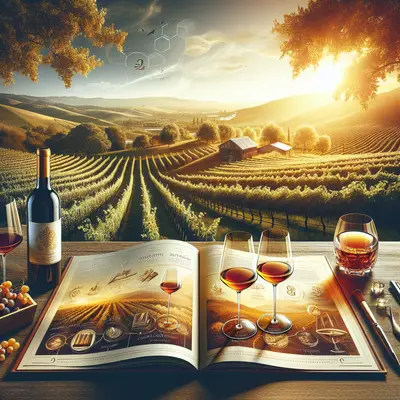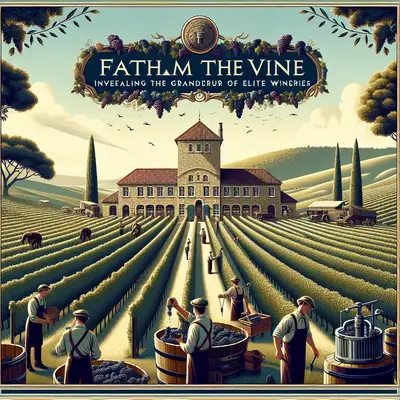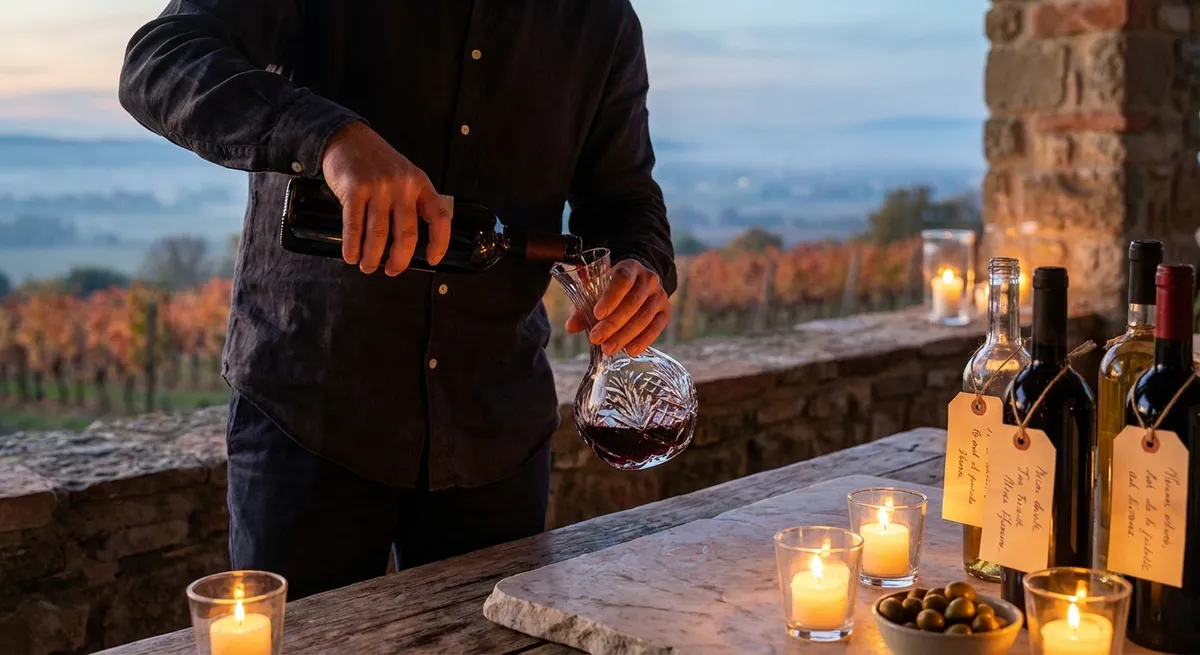
Some wineries do more than pour wine; they orchestrate a complete sensory composition—architecture, landscape, glassware, pacing, and conversation all folded into a single, seamless experience. These are the quietly iconic estates that define what “premium” truly means: not excess, but exactitude. For the serious wine traveler, understanding how these places operate transforms a pleasant visit into something closer to a private audience with a work of art.
Below, we explore the refined hallmarks of truly premium wineries and share five exclusive insights that discerning enthusiasts will recognize, seek out, and remember long after the last glass is poured.
Precision in Place: When Terroir Becomes a Story, Not a Slogan
Premium wineries do not merely reference terroir; they choreograph it. The estate walk is often designed as an unfolding narrative of soil, slope, and climate, with each vantage point tying directly to what appears in the glass.
Instead of generic vineyard views, expect vantage lines that highlight specific parcels—an exposed limestone face, a cooler east-facing block, an older massale-selection vineyard—each introduced with clarity and restraint. Guides at these estates tend to speak in measured detail: canopy management choices, row orientation, rootstock selection, and how these decisions alter phenolic ripeness or acid retention. The effect is less marketing, more field study.
In the glass, terroir is demonstrated rather than declared. Side-by-side tastings may compare fruit from different parcels or vintages shaped by contrasting growing seasons. On the most elevated visits, the language of place is grounded in data—temperature variations, rainfall charts, phenological records—woven seamlessly into an aesthetic experience. You leave not just with a sense of “where,” but of “why this wine could only have come from here.”
Architecture as a Lens: Spaces That Quiet the Noise
At premium estates, architecture serves as more than a backdrop for photographs; it frames how you taste. The best-designed wineries function as a lens that focuses your attention on the wine while gently excluding distractions.
Tasting rooms are often acoustically controlled, with soft materials and spatial separation that dampen ambient noise. Natural light is carefully managed—enough to appreciate color in the glass, but diffused to avoid glare and heat. Sightlines draw the eye from the bottle to the vineyard or cellar, creating a subtle visual dialogue between what you drink and where it was made.
Cellar design, too, is deliberate. Gravity-flow systems, subterranean barrel rooms, and naturally cooled cave networks are not only technical choices; they shape the mood of the visit. Moving from bright exteriors to cool, dimly lit barrel halls slows the tempo and invites focus. In premium settings, hospitality rarely feels like a “tasting bar” and more like an intimate salon, curated to encourage conversation, contemplation, and unhurried appreciation.
The Art of Pacing: Time as the Ultimate Luxury
In the world of premium wineries, time is the most carefully guarded resource—and offering it to guests is a hallmark of genuine luxury. The transitions between vineyard, cellar, and tasting are unhurried and purposeful, with each stage allowed to breathe.
Appointments are often staggered to avoid crowding, ensuring that your experience is not diluted by overlapping groups. Hosts are trained to read your rhythm: when to linger on a question, when to step back, when to discreetly introduce a more complex wine or discussion. The experience rarely feels scripted, even if it has been meticulously rehearsed behind the scenes.
This precision with pacing extends to the wines themselves. Iconic estates may choose to pour releases only when they believe the wines are entering an expressive window, not simply because a calendar dictates it. Library selections are introduced not as a flex, but as the logical conclusion of a story about vintage, cellar evolution, and house style. At these wineries, time is not simply measured; it is sculpted.
Five Exclusive Insights For the Discerning Wine Traveler
For enthusiasts seeking to move beyond the surface, these five insights can quietly differentiate a pleasant visit from a truly elevated encounter:
Barrel Rooms as Philosophy, Not Theatre
Ask not just what is in the barrels, but why the estate chose that cooper, toast level, and aging regimen. Premium wineries can articulate exactly how their oak choices frame tannins, texture, and aromatic lift. The most serious estates often use a mosaic of coopers and forest origins, adjusting by parcel and vintage rather than relying on a single house style.
Glassware as a Signal of Intent
The choice of stemware at premium wineries is rarely incidental. Look for estates that match glass shape to grape variety or cuvée—Burgundy bowls for nuanced, aromatic reds, tulip-shaped stems for structured whites, more elongated forms for sparkling wines. The best hosts will quietly adjust glassware as the tasting evolves, signaling that they view each wine as an individual performance rather than a lineup.
Serving Temperatures That Reveal, Not Conceal
Precision estates are fastidious about temperature. Whites will arrive cool but not frosted, reds just below room temperature, allowing aromas and texture to bloom in the glass. Subtle shifts—slightly cooler service for high-alcohol wines, marginally warmer for structured, tannic reds—demonstrate an awareness that temperature is a scalpel, not a blunt instrument.
Vocabulary That Respects the Wine
Listen to how your host describes the wines. In premium environments, language tends to be specific and grounded: references to fermentation temperatures, maceration times, or parcel characteristics sit comfortably alongside discussions of texture, length, and balance. Hyperbole and superlatives are rare. Instead, you hear considered phrases—“fine-grained tannins,” “saline finish,” “tension on the mid-palate”—that treat the wine as an object of study and pleasure in equal measure.
A Cellar That Prioritizes Continuity Over Spectacle
Beyond rows of barrels or stacks of bottles, look for signs of long-term thinking: verticals preserved across difficult vintages, experimental micro-vinifications stored alongside flagship cuvées, and a clear, documented lineage of house style. Truly premium wineries often maintain detailed archival records—and will occasionally share them—illustrating how their wines have aged, how techniques have evolved, and how they balance innovation with tradition. This continuity is a quiet but powerful marker of seriousness.
Hospitality as Craft: The Invisible Choreography
What sets the finest wineries apart is the way hospitality disappears into the background, even as it shapes every moment of your visit. You may notice that your glass is never empty yet never rushed, that spittoons quietly appear when more serious tasting begins, that water and neutral palate cleansers arrive before tannic or high-acid wines.
Premium wineries often assign deeply trained hosts—sometimes sommeliers or seasoned cellar hands—to guide tastings. Their knowledge extends beyond the property to the broader region: comparative producers, appellation rules, soil maps, and aging recommendations. Instead of reciting talking points, they engage in dialogue, adjusting the depth of discussion to your level of curiosity.
Reservation confirmations might arrive with thoughtful details: recommended nearby restaurants that respect your palate after a tasting, guidance on transportation, suggestions for pacing multiple visits in a day. The invisible scaffolding of planning, training, and refinement supports an experience that feels effortless, even though it is anything but.
Conclusion
To move through a truly premium winery is to witness an ecosystem of intentional choices—architectural, agricultural, oenological, and human—aligned in service of a singular aim: to let the wine speak clearly, elegantly, and without noise. For the attentive wine traveler, recognizing these subtle markers transforms a simple tour into an immersion in craft.
As you plan your next journey through wine country, seek out estates where time is unhurried, hospitality is precise, and every detail—from the curve of the glass to the angle of the vineyard row—has been considered. It is in these quiet, exacting spaces that great wines are not only made, but fully understood.
Sources
- [Wine Institute – California Wine Regions Overview](https://wineinstitute.org/our-industry/regions/) - Background on regional diversity, terroir, and appellations that shape premium wine experiences
- [Institute of Masters of Wine – The Role of Oak in Winemaking](https://www.mastersofwine.org/features/the-role-of-oak-in-winemaking) - Insight into barrel choices and how they influence style, structure, and aging
- [Napa Valley Vintners – Winery Hospitality Best Practices](https://napavintners.com/wineryresources/hospitality.asp) - Professional perspective on elevated visitor experiences and tasting room standards
- [UC Davis Department of Viticulture and Enology](https://wineserver.ucdavis.edu/) - Authoritative technical information on viticulture, enology, and factors influencing wine quality
- [Decanter – Wine Serving Temperatures Guide](https://www.decanter.com/learn/wine-serving-temperatures-329999/) - Detailed guidance on optimal serving temperatures and their impact on aroma and texture
Key Takeaway
The most important thing to remember from this article is that this information can change how you think about Premium Wineries.