In the upper tier of wine, distinction isn’t announced by spectacle but by composition—of landscape, of culture, of detail. Premium wineries occupy a rarefied space where vineyard, architecture, and hospitality are orchestrated with the same precision as a grand cru blend. For the devoted traveler, these estates offer more than fine bottles; they offer entry into a cultivated rhythm of life, crafted for those who notice what others miss.
This is a world where access is measured not in price alone, but in curiosity, patience, and discernment. Below, we explore how these estates quietly redefine luxury—and reveal five exclusive insights that serious wine enthusiasts will recognize as the true currency of a premium visit.
The Architecture of Restraint: Design as a Signature Vintage
Premium wineries rarely rely on ostentation. Instead, their architecture performs a quiet but persistent role: it choreographs how you move, perceive, and ultimately remember the estate.
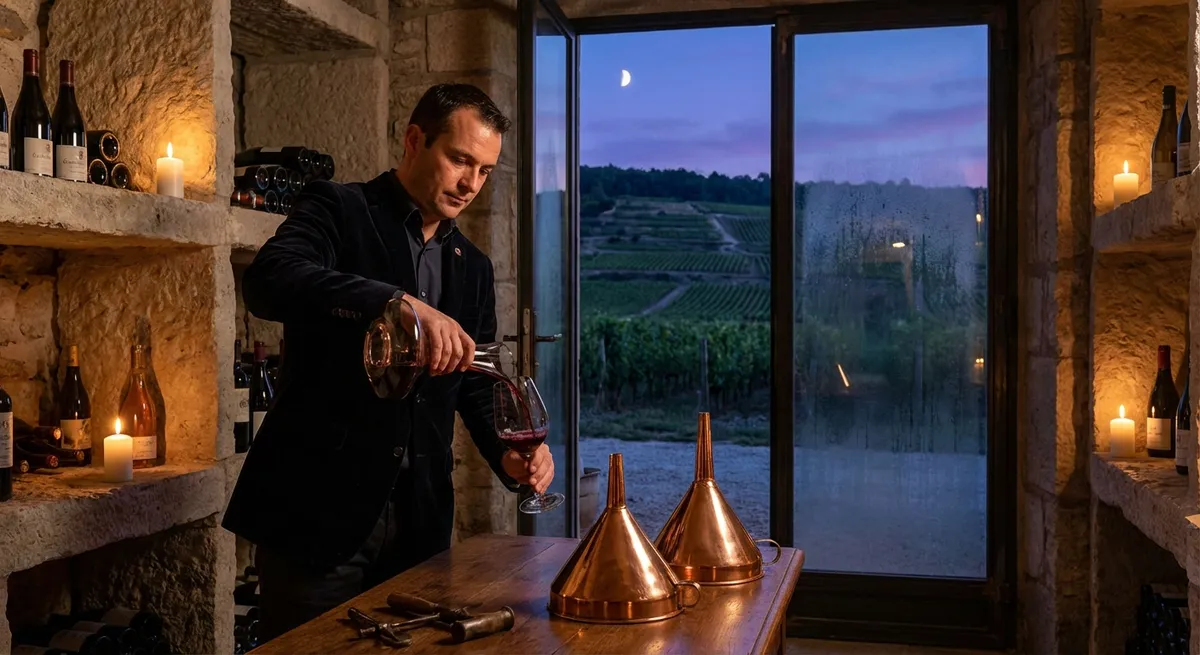
At some properties, the approach road is deliberately curved so the vines appear all at once, like a curtain lifting. Others employ subterranean cellars carved into rock, not for theatrics, but to maintain stable humidity and temperature without aggressive technology. Walls may be clad in local stone that mirrors the soils in the vineyard, subtly connecting what you drink in the glass with what surrounds you underfoot.
The most exceptional estates use negative space—courtyards, non-planted lawns, understated art—as diligently as decorative features. The absence of clutter allows the landscape and the light to become central. In tasting rooms, the best properties favor sightlines to the vineyard rather than shelves of trophies or bottles. Glassware is crystal-thin, tables are generously spaced, and acoustics are tuned so that conversations remain intimate even when the room is full.
This architecture of restraint does not shout luxury; it lets you feel it in the way your shoulders drop, the way your eye travels, and the way the wine becomes the only focal point that matters.
Time as a Luxury: How Premium Wineries Stage the Day
In the finest estates, time is not something filled—it is something composed. Premium wineries understand that true luxury is unhurried, and they stage your visit with the cadence of a well-structured tasting menu.
Arrivals are often staggered, not for exclusivity alone, but to ensure that each guest’s experience is individual rather than collective. Guides are rarely rushed; the best will adjust the pacing the moment they sense your level of knowledge and curiosity. If you linger over a barrel sample or a particular plot in the vineyard, the itinerary quietly flexes around you.
Many top-tier wineries now adopt almost “studio hours” rather than broad opening times. Appointments align with the wine’s own schedule—cellar work in the morning, racking or blending in the afternoon—and you’re gently woven around those activities rather than staged as a separate show. During harvest, visits may include a brief pause while a winemaker monitors a pressing or tastes a ferment, turning your presence into an authentic glimpse of a working estate rather than a curated performance.
You notice it most at the end: the tour that seemed inevitably too short elsewhere feels, at these properties, precisely the right length—complete, composed, and respectful of your attention span as much as your palate.
Five Exclusive Insights Only Devoted Enthusiasts Truly Notice
Beneath the polished surface of a premium winery visit, there are subtleties that seasoned wine lovers quietly register. These are the details that separate a simply “beautiful” estate from one operating at a genuinely elevated level.
1. The Vineyard Map Is a Confession, Not a Decoration
Nearly every winery displays a vineyard map. At premium estates, it serves not as wall art but as a transparent confession of priorities.
Look for parcels broken down into minute blocks, sometimes only a few rows across, each labeled with soil type, exposure, elevation, and even clone. When staff can speak fluently about why a particular block is harvested earlier, or how wind patterns affect fruit concentration in a specific corner, you’re witnessing terroir thinking at its highest resolution.
Enthusiasts will notice whether satellite parcels are included or conveniently omitted, and whether the map corresponds to what you see outside the window. The more honest and granular the map, the more likely the estate is obsessed with precision in the vineyard—and that precision nearly always translates into the glass.
2. Barrel Rooms Reveal Philosophy More Than Wealth
Rows of new French oak barrels can appear impressive, but for an informed visitor, the real story lies in variation and restraint.
Watch for diversity in cooper names, toast levels, and barrel sizes. If your guide explains why a particular cuvée sees larger foudres while another is raised in 225-liter barriques, you’re getting a window into the estate’s thinking about texture and aromatics. When a winery openly discusses long-term barrel trials—testing lower-toast oak for one vintage, alternative coopers in another—it signals a culture of continuous refinement rather than blind adherence to tradition.
Equally telling is what you do not see: a premium winery confident in its fruit will rarely overwhelm its wines with oak. When the barrel room smells of clean wood, stone, and wine rather than strongly of toasted oak, it’s a subtle sign that the barrels are there to frame, not dominate.
3. Glassware and Pour Sequence Are Deliberate, Not Habitual
The serious enthusiast will notice the choreography of the tasting itself. Premium estates structure a flight the way a composer structures a movement—building, receding, and resolving.
Within a single visit, you may encounter different stem shapes matched to structural elements: larger bowls for aromatically complex whites, narrower tulips for high-acid sparkling wines, more generously tapered bowls for structured reds. The sequence often begins not with the estate’s “icon” wine but with a quiet, precise cuvée that calibrates your palate.
Pay special attention when an older vintage is slipped into the lineup between younger wines, or when a seemingly modest bottling is poured last to showcase its surprising length and complexity. These small decisions reveal a winery’s understanding of how perception evolves across a tasting—and its confidence in the hidden strengths of its range.
4. The Best Estates Edit Their Story Mercilessly
Almost every winery has history, but at the top tier, narrative is distilled, not inflated. Instead of a sprawling, unfocused tale of founders, families, and milestones, you’ll hear a disciplined story shaped around a few central themes.
Perhaps it’s a pivot in farming philosophy, a crucial replanting, or a generational handover that changed the direction of the estate. Premium wineries resist the temptation to narrate everything: they choose stories that illuminate why the wines taste the way they do today.
Enthusiasts will recognize when a guide’s anecdotes consistently circle back to viticultural choices, cellar decisions, or site selection. This narrative editing mirrors what happens in the winery itself: choices, trade-offs, and a continual refinement of what truly matters.
5. Hospitality Staff Move Like a Well-Run Cellar Team
In the finest estates, the same discipline evident in the vineyard and cellar extends seamlessly into hospitality. Movement, timing, and communication feel almost invisible.
You may notice that glasses are refreshed without interrupting conversation, that staff discretely check bottle levels and room temperature, that no one ever asks, “Who had which glass?” Because each pour is tracked mentally. Questions are answered with specificity, and “I don’t know” is gracefully followed by “let me confirm that with the winemaker” rather than guesswork.
The premium experience is not about scripted charm; it’s about practiced calm and technical assurance. Enthusiasts will recognize that the estate has applied the same standards of training, detail, and feedback to its guest experience as to its winemaking program.
Beyond the Label: Sustainability as a Quiet Benchmark of Prestige
In the contemporary fine wine world, environmental responsibility has become an unspoken benchmark of seriousness. The most forward-thinking premium wineries treat sustainability not as a marketing angle but as an operational baseline.
Organic or biodynamic certifications can be a starting point, but the most advanced estates go further: adopting precision farming to reduce inputs, using cover crops tailored to each parcel, and emphasizing biodiversity corridors among vines. Energy-efficient gravity-flow cellars minimize pumping; water is carefully recycled and monitored.
You may notice discreet solar arrays positioned where they do not interfere with the visual harmony of the property, or electric vehicles used for in-vineyard work. Some estates limit glass weight in their premium bottlings despite the market’s historical preference for heavy bottles, prioritizing carbon footprint over theatrics.
For the discerning traveler, asking nuanced questions—about soil health monitoring, canopy management, or native habitat preservation—often reveals that the true modern symbol of prestige is not a monumental gate or a dramatic foyer, but a long-term commitment to leaving the land more vibrant than it was found.
Curated Access: How to Approach Premium Estates with Intention
Exceptional wineries are, by design, selective in how they receive guests. Access is not about exclusion as much as ensuring that visits remain aligned with the estate’s ethos and production scale.
When requesting an appointment, specificity is your ally. Rather than a generic booking request, articulate your interests: older vintages, a focus on a particular grape, vineyard practices, or single-parcel bottlings. This allows the estate to tailor your experience—and signals that you value what they value.
Once on the property, consider tasting with a notebook, not as an academic exercise, but as a mark of attentiveness. Thoughtful questions about vintage variation, replanting strategies, or blending choices often open doors, sometimes literally, to deeper parts of the cellar. Over time, repeated visits—spaced across vintages—can evolve into an informal relationship where limited releases or early allocations become available.
Premium wineries reward patience and consistency. Rather than scattering your attention across countless estates, investing in a handful of properties that resonate deeply can yield richer, more personal experiences and a cellar that reflects meaningful connections, not just labels.
Conclusion
Premium wineries occupy a paradoxical space: intensely sought after yet quietly self-possessed, rich in narrative yet carefully edited, visually striking yet never gaudy. For the serious wine traveler, the true luxury lies not in spectacle but in the coherence of an estate’s decisions—from vineyard blocks to barrel selection, from glassware to the cadence of a single afternoon.
Those who notice the subtler cues—vineyard maps that speak in detail, barrel programs that reveal philosophy, tasting sequences that unfold with intention, sustainability pursued with rigor, and hospitality choreographed with effortless calm—will find that the most memorable premium experiences are not the loudest, but the most finely tuned.
In that finely tuned world, every element exists in service of one thing: allowing a singular place, in a singular year, to express itself with clarity. And for the devoted enthusiast, there is no greater luxury than that.
Sources
- UC Davis Viticulture and Enology - Technical background on vineyard and winery practices that underpin premium production
- Institute of Masters of Wine – Wine Production - Authoritative insights into fine wine techniques, from vineyard to cellar
- Wine Institute – Sustainable Winegrowing - Overview of sustainability practices adopted by leading wineries
- Napa Green Certification - Example of rigorous environmental and sustainability standards in a premier wine region
- Decanter – What Makes a Great Winery? - Discussion of the qualitative factors that distinguish truly exceptional wineries
Key Takeaway
The most important thing to remember from this article is that this information can change how you think about Premium Wineries.