The most exceptional wineries seldom shout; they resonate. For the traveler attuned to nuance, these estates offer something rarer than a coveted allocation or an iconic label: a fully orchestrated experience where architecture, viticulture, hospitality, and time itself are choreographed into quiet luxury. Premium wineries today are less about spectacle and more about a cultivated stillness—spaces where every choice, from canopy management to cellar acoustics, is made in service of precision and poise in the glass.
The Architecture of Calm: Design as a Fine-Tuning Instrument
At truly premium estates, architecture isn’t simply decorative—it’s a viticultural tool. Many high-level wineries now partner with world-class architects and acousticians to create environments that protect and elevate the wine at every stage.
Gravity-flow designs, for instance, remove the need for aggressive pumping, allowing juice to move gently from sorting table to tank to barrel. This preserves delicate aromatics and fine tannins, particularly in varieties like Pinot Noir and Nebbiolo, where structure is easily bruised.
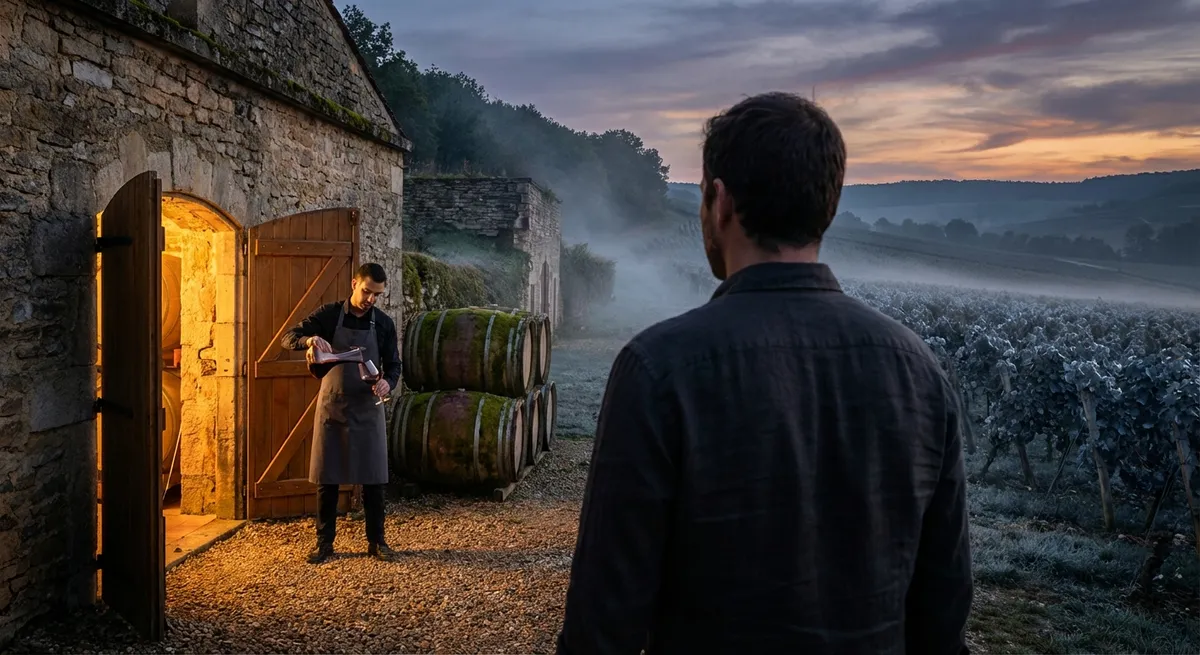
Subterranean barrel halls and partially buried fermentation rooms aren’t just visually dramatic; they stabilize temperature and humidity with minimal energy input, shielding wines from fluctuations that can dull aromatics or accelerate premature evolution. Light is carefully controlled as well—often filtered or indirect—to prevent UV impact on both wine and barrel integrity.
Even circulation patterns for guests are orchestrated: tasting rooms positioned to overlook fermenters or vineyards, terraces angled to capture prevailing breezes, and acoustically soft materials that keep the soundscape low and conversational. The result is a seamless sense of calm, where the environment itself seems to recede, allowing attention to focus, unhurried, on the glass.
Exclusive insight #1: Some premium wineries “tune” their cellars—adjusting ceiling curvature, surface materials, and room dimensions—to minimize vibration and noise from HVAC and visitors, protecting long-aging wines from subtle but cumulative disturbances.
Beyond Organics: Precision Viticulture as Quiet Luxury
Luxury in wine is increasingly defined not by opulence, but by rigor. While organic and biodynamic practices are now familiar, many premium wineries have moved beyond these labels into a realm of hyper-detailed, data-informed viticulture.
High-end estates often divide their holdings into an intricate patchwork of micro-parcels—sometimes just a few rows each—tracked by soil composition, row orientation, drainage patterns, and even wind exposure. Drone imagery, satellite data, and soil conductivity mapping create a three-dimensional understanding of the vineyard, allowing for irrigation, canopy work, and harvest decisions to be tailored vine by vine.
Cover crops are chosen with surgical precision: some to fix nitrogen, others to compete gently for water, still others to attract beneficial insects at very specific points in the growing season. Rather than applying treatments uniformly, top-tier wineries often treat their vineyards like a series of micro-laboratories, each with its own customized protocol.
Exclusive insight #2: Increasingly, elite wineries are implementing vine-by-vine health tracking, tagging individual vines with long-term performance histories—yield, sugar accumulation, phenolic ripeness—informing replanting decisions and clonal selections over decades, not vintages.
The Invisible Craft: Barrel Philosophy and the Sound of Restraint
In the premium sphere, oak is no longer a badge of prestige—it is a question of proportion. The most refined wineries have moved away from overt oak signatures towards a philosophy of framing rather than flavoring.
Instead of relying on a single cooper, top estates often maintain ongoing relationships with multiple barrel makers, sometimes commissioning exclusive toasts tailored to their fruit’s phenolic profile. Choices around grain tightness, forest source, drying time, and toast level are approached with the same deliberation as a chef selecting spices for a tasting menu.
Barrel programs are now more musical than monolithic: a blend of new, once-filled, and older barrels, sometimes with subtly different profiles, allows winemakers to “compose” a final cuvée with layers of texture rather than dominant wood notes. Many elite wineries have also reduced overall new oak percentages, relying more heavily on precise picking dates and gentle extraction to build structure.
Exclusive insight #3: Some high-end cellars maintain experimental “libraries” of small-format barrels—same wine, different coopers and toast levels—tasted blind over years. These long-term experiments quietly refine barrel choices for future vintages, far beyond what’s visible on a tasting-room menu.
Time as the Ultimate Luxury: Library Releases and Curated Maturity
In a market that often celebrates the newest vintage, truly premium wineries distinguish themselves by resisting urgency. They understand that certain wines are simply not ready for the conversation they were meant to have with a discerning palate.
Instead of pushing releases as soon as they are financially viable, some top estates hold back a portion of production for extended cellaring in optimal conditions. These “library releases” or “late releases” are not marketing gimmicks; they are a statement of philosophy: a belief that the winery’s responsibility doesn’t end at bottling, but at the moment the wine can express its full narrative.
The experience of tasting a wine in its intended drinking window—where evolution, not just potential, is on display—is one of the quiet luxuries that sets premium wineries apart. Guests may be guided through vertical tastings of the same cuvée across several vintages, witnessing how time has sculpted structure, softened tannins, and clarified tertiary notes.
Exclusive insight #4: At some elite estates, the most coveted experiences are not the barrel tastings, but carefully rationed access to perfectly stored back vintages, opened only after the winemaking team agrees the wine has reached a peak plateau of expression—not simply drinkability.
The Curated Visit: When Hospitality Mirrors Winemaking Precision
The highest echelon of winery hospitality mirrors the ethos of the cellar: precise, considered, and unobtrusive. Reservations are often deliberately limited, not to manufacture scarcity, but to safeguard the calm that allows for deeper engagement.
Rather than standard flight lists, guests may receive experiences tailored to their interests and knowledge level: a comparative tasting of differing soil types, a focus on alternative vessels (amphora, concrete, large-format oak), or a guided exploration of how decanting and glassware shape perception. The room is carefully staged—linen, floral choices, glass selection, ambient sound, and even pacing of pours align to support concentration and pleasure.
Premium wineries increasingly recognize that today’s sophisticated traveler seeks participation, not passive consumption. You might be invited to taste base wines before blending, to compare a vineyard block picked at two different dates, or to explore the impact of stem inclusion across micro-ferments.
Exclusive insight #5: Some of the most discreetly luxurious estates pre-research confirmed guests—from previous orders to visited regions—to subtly tailor the tasting narrative, selecting bottles and topics that align with each visitor’s likely preferences without ever announcing that this curation is taking place.
Conclusion
The true hallmark of a premium winery is not ostentation, but intention. Every element—the choreography of the visit, the architecture that shelters the wines, the microscopic attention to each vine, the nuanced oak program, and the patience to release bottles only when ready—speaks to a worldview that values depth over speed, and resonance over volume.
For the devoted wine traveler, seeking out these estates is less about chasing prestige than about entering into a long, quiet conversation with place, craft, and time. In these gilded terroirs, luxury is not declared. It’s revealed, one contemplative sip at a time.
Sources
- Napa Green: Sustainable Winegrowing & Winery Certification - Overview of advanced sustainability and precision practices among leading Napa wineries
- UC Davis Department of Viticulture and Enology - Research-based insights into vineyard management, fermentation, and barrel programs used by top estates
- Institute of Masters of Wine – The Complexity of Oak - In-depth discussion of oak selection, coopers, and toasting in fine wine production
- Decanter Magazine – Gravity-Flow Wineries Explained - Explains architectural choices like gravity-flow systems at premium wineries
- Wine Institute – Wine Cellar Design and Storage - Details on optimal storage conditions relevant to library and late-release programs
Key Takeaway
The most important thing to remember from this article is that this information can change how you think about Premium Wineries.