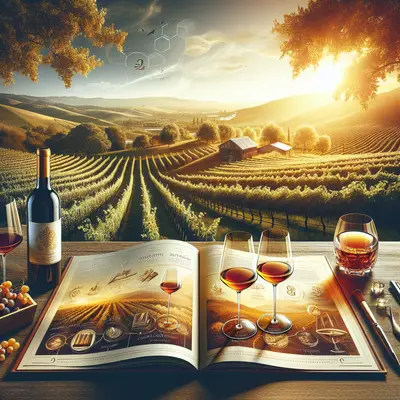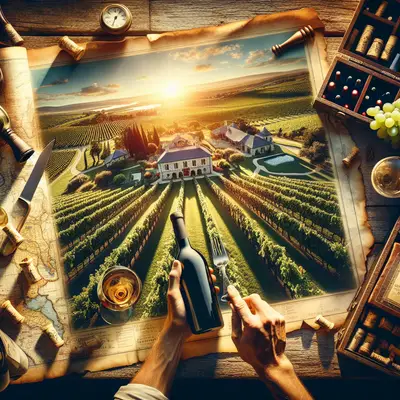
There is a corner of the wine world where the experience moves beyond tasting and into choreography—where every pour, every pause, and every vista has been meticulously composed. Premium wineries are not simply places where fine bottles are produced; they are discreet theaters of craftsmanship and hospitality, designed for those who value nuance over noise. For the thoughtful wine traveler, understanding what truly defines these estates transforms a pleasant visit into a deeply memorable encounter.
Beyond the Label: How Premium Estates Quietly Signal Their Standards
At first glance, a premium winery can appear surprisingly understated. The architecture may be restrained, the signage minimal, the welcome deliberately unhurried. This subtlety is intentional. Rather than relying on spectacle, top estates focus on harmony—between landscape, building, and guest experience. You might notice proportions that feel “just right”: high ceilings that cool the air naturally, shaded verandas that frame vineyard rows like a painting, or tasting salons where light is softened to reveal color in the glass without harsh glare.
Inside, glassware is often a quiet indicator of standards. Thin-stemmed, varietal-specific crystal is not merely indulgence; it is a tool, chosen to shape aromatics and texture with precision. Temperature control is equally telling. White wines arrive cool but never icy, reds just below room temperature—always framed to reveal, never to mask. Then there is the staff: deeply informed, unhurried in their explanations, equally comfortable discussing soil composition, oak regimes, or the history of a single parcel of vines. Premium wineries rarely push the hard sell; they curate, recommend, and remember your preferences, building a sense of continuity over time.
The Architecture of Time: Cellars as Living Libraries
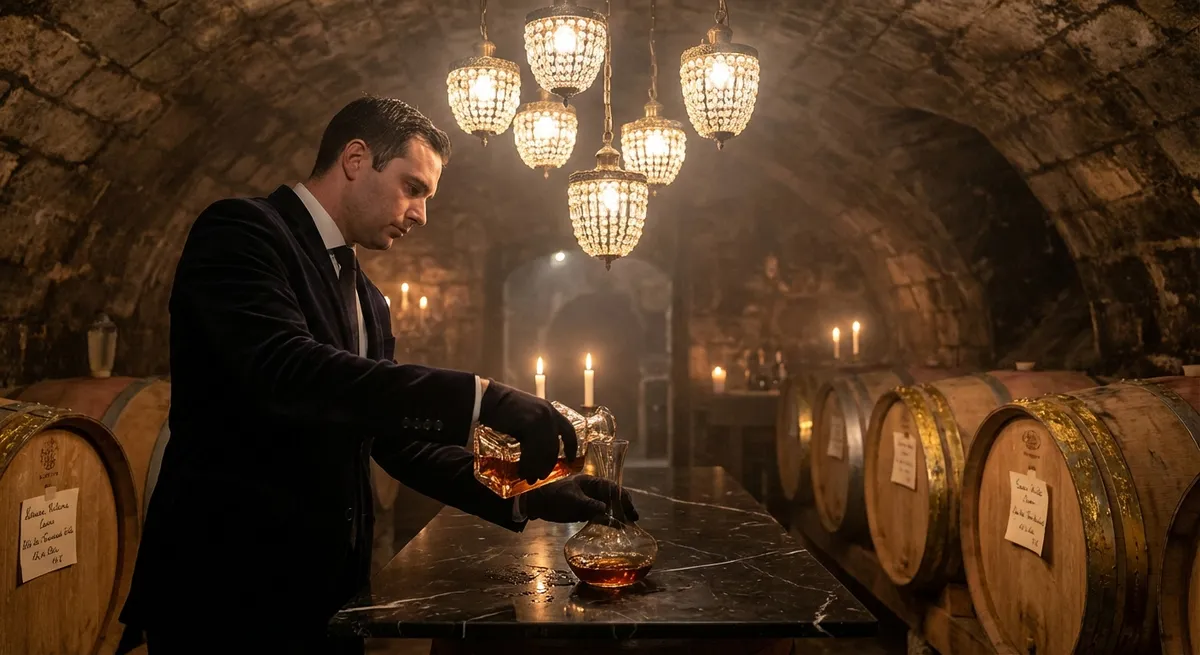
To the serious wine enthusiast, the cellar is the heart of a premium winery—a living archive where time is both measured and sculpted. These spaces are engineered not only for storage but for precision: temperature and humidity are held within narrow bands to guide maturation rather than merely preserve it. Walking through, you may notice subtle differences: concrete vats beside oak foudres, amphorae near stainless-steel tanks, each material selected for the way it shapes texture, oxygen exchange, and aromatic clarity.
Barrels are rarely generic at this level. Provenance, grain tightness, toast level, and cooper are chosen almost as a composer selects instruments. A top estate may work with several different coopers for a single cuvée, blending lots aged in distinct barrels to achieve a specific aromatic profile—more tension here, more breadth there, finer tannins throughout. Library collections, too, speak volumes. The most serious wineries maintain reference vintages going back decades, not simply as trophies but as benchmarks, tasting older bottles regularly to calibrate decisions for current and future releases.
For the visiting enthusiast, being invited to taste a mature vintage side-by-side with a current release is a rare privilege and a powerful education. You begin to see the estate’s wines not as isolated bottles, but as chapters in a continuing narrative—a dialogue between vintage, terroir, and the evolving philosophy of the winemaker.
The Vineyard as Atelier: Precision Farming in Service of Flavor
The most meaningful luxury in wine is not the tasting room; it is what happens in the rows of vines long before the first berry is harvested. Premium wineries increasingly treat their vineyards as ateliers—studios of craftsmanship—where each decision is specific, deliberate, and often plot by plot. You may notice denser plantings, encouraging vines to compete and dig deeper. Cover crops are chosen not purely for aesthetics but to manage soil structure, biodiversity, and water retention.
Many top-tier estates employ sophisticated mapping technologies—satellite imagery, soil conductivity scans, and micro-plot analysis—to understand exactly how each corner of the vineyard behaves. From there, decisions about canopy management, crop thinning, or harvest timing are dialed in with surgical precision, often at the level of individual rows or even sections within a row. Some parcels might be harvested in multiple passes, each time selecting only clusters at an exact point of ripeness.
Sustainability, too, is no longer a marketing line but a technical discipline. Organic or biodynamic practices, where adopted, are supported by meticulous record-keeping and observation. Beneficial insects, composts, teas, and herbal preparations are integrated with modern agronomy rather than replacing it. For enthusiasts, walking these vineyards with a viticulturist—hearing how each block is read, interpreted, and cared for—is one of the most revealing experiences a premium winery can offer.
Five Exclusive Insights for the Attentive Wine Enthusiast
Within this world of detail, certain insider nuances quietly separate the familiar visitor from the truly informed guest. These five insights will help you access a deeper layer of the premium winery experience:
1. The Most Important Wine May Not Be the Most Expensive
At leading estates, the “flagship” or icon bottling is only part of the story. Serious winemakers often pour their philosophy into their so-called “entry-level” wines, using them to express purity, balance, and house style with brutal transparency. When visiting, pay close attention to the most modestly priced cuvée. If it is precise, characterful, and texturally elegant, it is a strong signal that the rest of the range is built on solid foundations rather than marketing.
2. Barrel Samples Reveal the Future More Than the Present
If you are offered barrel samples, treat them as a glimpse into potential rather than an early verdict. Young wines in barrel are often angular, aromatically reticent, or structurally assertive. What matters is not immediate charm but the coherence of fruit, acidity, and tannin. Ask which parcels contributed to each lot, and how the final blend will be constructed. Hearing the winemaker describe why certain barrels will not make the final cut is often more instructive than the samples themselves.
3. Vertical Tastings Expose the Estate’s True Identity
A vertical tasting—multiple vintages of the same wine—is where a winery’s identity emerges most clearly. With each glass, you see how the house style interacts with the growing season: cooler years may emphasize aromatic lift and tension, warmer years texture and depth. Instead of asking which vintage is “best,” explore which speaks most clearly to the site. A consistent sense of place across contrasting vintages is a hallmark of a genuinely premium estate.
4. Texture Is the Quiet Signature of Top Wineries
While aroma and flavor are often discussed, texture is where the finest wineries distinguish themselves. Pay close attention to how the wine moves across your palate: Does it glide or grip, fan out or narrow? Are the tannins powder-fine, silky, or chalky? The most accomplished estates craft wines that feel seamless, with no harsh edges between attack, mid-palate, and finish. Texture is where farming, harvest timing, extraction techniques, and aging all converge—and once you start listening for it, you will rarely encounter it by accident.
5. Hospitality Is Curated for Pace, Not Volume
In premium environments, hospitality is designed around tempo. Tastings progress in a considered arc, with wines poured in an order that builds narrative as much as intensity. The best hosts listen closely—to your reactions, your questions, your energy—and subtly adjust. They may slow the pacing to allow a complex wine to open, or accelerate when a particular style clearly does not resonate with you. This ability to calibrate the experience, person by person, is one of the rarest forms of luxury, and it is often found in the quietest, least ostentatious rooms.
The Art of Leaving: How Exceptional Wineries Linger in Memory
What distinguishes a truly premium winery visit is not how it begins, but how it stays with you. Long after the last glass is rinsed and the gate recedes in the rear-view mirror, you find yourself returning to details: the precise coolness of the cellar air, the way a winemaker paused before explaining a difficult vintage, the unexpected harmony of a pairing offered without fanfare. These impressions are not accidents; they are the result of an ethos that treats wine not as a product, but as a conduit for place, time, and intention.
For the discerning traveler, seeking out such estates is less about collecting labels and more about assembling a personal atlas of experiences—each winery a different expression of patience, of risk, of craftsmanship. Bottles brought home from these visits become more than souvenirs; they are vessels of memory, opened years later to release not only aromas and flavors, but also the echo of a quiet conversation, a particular slant of light, a sense of having been attentively, thoughtfully hosted.
In a world where luxury is often equated with noise and spectacle, premium wineries still thrive on refinement, proportion, and restraint. To enter their world is to step into an art form in which every detail is deliberate—and the most rewarding role for the guest is that of the attentive observer, fully present to what unfolds in the glass and beyond it.
Sources
- Napa Valley Vintners – What Makes a Winery “Premium”? - Industry perspective on quality benchmarks, vineyard practices, and cellar standards in high-end wine production
- California Sustainable Winegrowing Alliance – Sustainable Practices - Overview of advanced vineyard and winery sustainability measures used by leading estates
- Institute of Masters of Wine – The Impact of Oak on Wine Style - In-depth discussion of barrel choices, cooperage, and their influence on texture and aroma
- UC Davis Department of Viticulture and Enology - Research-based insights on viticulture, enology, and technical aspects of premium wine production
- Decanter – How to Taste Wine Like a Professional - Practical guidance on assessing structure, texture, and complexity in fine wines
Key Takeaway
The most important thing to remember from this article is that this information can change how you think about Premium Wineries.